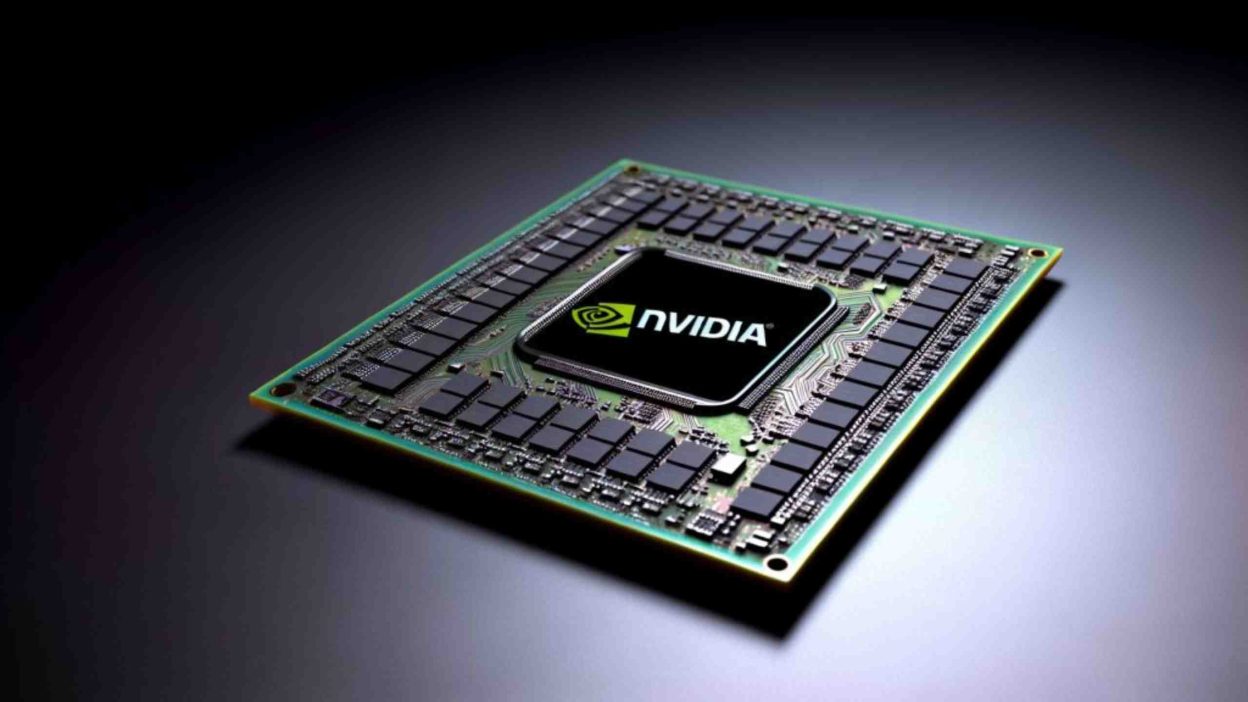
Nvidia’s plan to sell its advanced H200 artificial intelligence (AI) chips to China is still unresolved nearly two months after U.S. President Donald Trump approved such exports, according to multiple reports. The uncertainty stems from an ongoing U.S. national security review of license applications that has slowed down actual sales to Chinese customers.
Chinese companies and tech partners are hesitant to place large orders while it remains unclear whether and under what conditions export licenses will be granted.
This limbo in licensing illustrates how geopolitics and security concerns are affecting global tech trade in a major AI market.
Why This Is Happening
After months of export restrictions that had effectively blocked Nvidia’s most advanced AI processors from reaching China, the U.S. government moved in January 2026 to ease restrictions and allow potential exports of the H200 chips under strict conditions. However, the export approval process now involves a multi-agency review involving departments such as Commerce, State, and Defense, which has slowed down final licensing.
Chinese customers are reportedly waiting for clear license approvals and terms before placing orders, which means that even though a policy framework exists, actual shipments and long-term contracts have not yet been finalized.
The uncertainty follows comments from Nvidia’s CEO about its OpenAI investment plans.
Current Trade and Licensing Status
| Area | Status |
|---|---|
| Export policy | U.S. allowed H200 exports under review |
| Licensing process | Delayed due to national security review |
| Chinese customer orders | On hold pending approvals |
| Chinese import permissions | Initial conditional approvals in principle |
| Market response | Companies cautious until clear terms emerge |
| National security focus | U.S. review aims to limit risk of military use |
Chinese firms are reportedly reluctant to commit to orders until the U.S. review is completed.
Why It Matters to Americans
1. Market access for U.S. tech
China is a major potential market for Nvidia products, historically accounting for a large share of revenue before export restrictions. Uncertainty over sales delays could affect Nvidia’s growth prospects and revenue outlook.
2. National security policy impact on business
The licensing delays highlight how U.S. export control policy is intersecting with commercial technology sales, especially for technologies that have dual commercial and potential strategic uses.
3. Global competition and innovation
China’s AI ecosystem is rapidly developing, with domestic manufacturers and startups advancing their own chips. Nvidia’s ability to compete in that market may shape global AI infrastructure and tech leadership going forward.
Key Comparisons
| Issue | Before 2025 Export Rules | Today’s Situation |
|---|---|---|
| Nvidia sales in China | Large share of AI chip demand | Limited due to U.S. export controls |
| Licensing policy | Not required | Required with multi-agency review |
| Chinese orders | Regular commercial commitments | On hold pending license outcomes |
| Competitive landscape in China | Nvidia dominant | Domestic firms gaining share |
These changes reflect how trade policies and national security concerns can reshape global technology markets and access to cutting-edge products.
Near-Term Outlook
Analysts say that once licensing reviews are finalized and clear conditions for export are established, some shipments of H200 chips could begin, but the extent of sales and the pace of orders will depend on both regulatory outcomes and how Chinese companies choose to engage. There is no forecast or prediction implied here.
Practical Takeaways
Nvidia’s H200 AI chip sales to China are still delayed because final export licenses are undergoing a U.S. national security review.
Chinese buyers are waiting for clear licensing conditions before placing major orders.
U.S. policy now allows potential exports under strict conditions, including third-party testing and export limits, but implementation is pending.
The situation highlights how geopolitics and national security concerns affect global tech markets, especially for semiconductors.
Bottom Line
Nvidia’s effort to resume advanced AI chip sales to China remains in a state of uncertain pause, even after formal approval of exports from Washington. The licensing process, influenced by national security considerations and multi-agency review, has slowed down actual deals and customer orders.
Frequently Asked Questions
Are Nvidia AI chips being sold in China now?
Not yet. Sales of Nvidia’s H200 AI chips are still pending final U.S. export license approvals, and Chinese customer orders remain on hold.
Why is the export licensing taking so long?
The approval process now involves multiple U.S. government agencies, increasing review time due to national security concerns related to
advanced AI technology.
How could this affect Nvidia’s business?
Delays may reduce near-term revenue from China, one of the world’s largest AI markets, and could impact Nvidia’s growth expectations.
Could other U.S. AI chips be affected?
Yes. Export controls and licensing reviews also apply to other advanced AI chips and related technologies subject to U.S. national security rules.
What are Chinese companies doing while waiting?
Chinese firms are increasingly turning to domestic chipmakers, optimizing existing hardware, and accelerating development of local AI chip alternatives.
For investors and market watchers, this dynamic underscores the tension between commercial technology growth and geopolitical strategy in the era of artificial intelligence.