
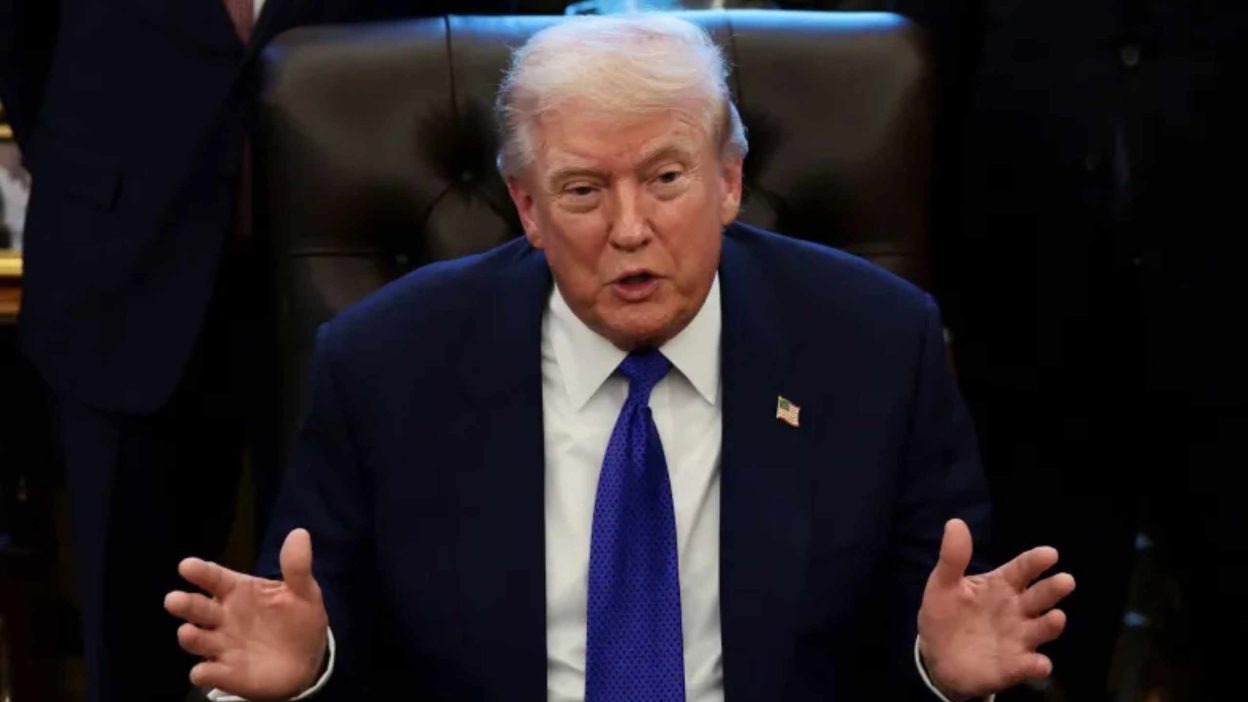
The Trump administration is intensifying efforts to secure the supply of critical minerals outside of China, part of a broader push to reduce U.S. reliance on foreign sources for materials used in electric vehicles, semiconductors, defense systems and advanced manufacturing. The initiative includes a proposed $12 billion strategic reserve and international partnerships to diversify supply chains.
This move matters to U.S. businesses and technology sectors because critical minerals are essential to producing modern electronics, clean energy technologies and military equipment. Strengthening access to these resources is seen as a national security priority and a response to global supply chain pressures.
Why This Is Happening
China currently dominates global production and processing of rare earths and other critical minerals, controlling an estimated 70 percent of mining and 90 percent of processing. This concentration created vulnerabilities during past trade tensions when China restricted exports. The Trump administration’s strategy aims to build alternative supply chains, boost domestic production and work with allied nations to reduce risks associated with dependence on a single provider.
Key elements include international cooperation to secure purchases and logistics support, as well as government investment to accelerate mineral extraction and processing in the U.S. and partner nations.
The move comes as the U.S. also reshapes trade and energy ties with India.
Current Initiative Snapshot
| Focus Area | Key Elements |
|---|---|
| Strategic Reserve | $12 billion funding to create a U.S. Strategic Critical Minerals Reserve for essential minerals like rare earths, lithium and nickel. |
| International Cooperation | Meetings with European, Asian and African officials to sign supply chain agreements. |
| Domestic Investment | Direct investments in U.S. critical minerals producers to strengthen homegrown supply. |
| Industry Support | Plans to work with manufacturers like Boeing and battery producers to ensure stable access to key minerals. |
| Bipartisan Backing | Lawmakers from both parties supporting measures to bolster production and supply resilience. |
This strategy builds on recent steps by the Trump administration to finance domestic mining and to negotiate supply agreements abroad while aiming to stabilize prices and reduce vulnerabilities in key industrial sectors.
Why It Matters to Americans
1. National Security and Technology Leadership
Critical minerals are vital for advanced technologies used in defense systems, electric vehicles and renewable energy. A more secure supply chain can reduce susceptibility to international disruptions and geopolitical leverage.
2. Supply Chain Resilience
Recent global trade tensions highlighted risks in relying heavily on a single country for essential materials. Diversifying suppliers and boosting domestic output can help U.S. manufacturers avoid sudden shortages that slow production or raise costs.
3. Economic Impact
Strengthening the U.S. critical minerals sector may boost investment, support mining and processing jobs at home and encourage technological innovation in industries reliant on these materials.
Key Comparisons
| Aspect | Past Supply Chain | 2026 Strategy |
|---|---|---|
| Source Diversity | Heavy reliance on Chinese production | Expanding U.S. stockpile and global partnerships |
| Processing Control | Limited U.S. refining capacity | Increased investment and production support |
| Market Stability | Vulnerable to export controls | Strategic reserves to buffer supply disruptions |
| Industry Coordination | Largely private sector led | Public-private cooperation with government backing |
This comparison highlights how the new approach aims to shift from dependence on one dominant supplier to a more resilient, diversified global and domestic system of critical minerals supply.
Near-Term Outlook
Officials expect ongoing discussions with foreign partners and private sector participants will shape the next phase of the critical minerals strategy, including supply agreements, stockpile logistics and regulatory support for mining projects. There is no projection or forecast implied in this section.
Practical Takeaways
The Trump administration is advancing a major initiative to secure critical minerals outside China to support U.S. manufacturing and national security.
A $12 billion strategic reserve is central to the plan, backed by government funds and partnerships.
International cooperation with allied nations is part of creating diversified supply chain logistics.
Investments in domestic mining and processing aim to strengthen U.S. industrial resilience.
Bipartisan support from lawmakers underscores broad interest in reducing dependency on foreign mineral sources.
Bottom Line
The Trump administration’s efforts to ensure the supply of critical minerals outside of China reflect growing U.S. concerns about supply chain vulnerabilities and national security. By establishing a strategic reserve, fostering international cooperation and investing in domestic capacity, the plan seeks to bolster access to essential materials used in advanced technologies and everyday electronics. These actions demonstrate a comprehensive approach to strengthening U.S. supply chain resilience in a competitive global market.
Frequently Asked Questions
Why are critical minerals important?
Critical minerals are essential for technologies such as electric vehicles, batteries, semiconductors, and defense systems, making them strategic resources for modern manufacturing and national security.
What is the U.S. strategic minerals reserve?
It is a proposed $12 billion initiative to stockpile critical minerals domestically, aimed at reducing reliance on foreign suppliers, particularly China.
How is the U.S. seeking international cooperation?
The administration is working with officials from dozens of countries to establish supply chain logistics and agreements that diversify global sources of critical minerals.
Will this strategy affect U.S. manufacturers?
Greater supply stability could help U.S. manufacturers reduce production disruptions in industries that depend on critical mineral inputs for high-tech and industrial products.
Do lawmakers support this plan?
Yes. A bipartisan group of U.S. lawmakers has expressed support for efforts to secure domestic mineral supplies and reduce dependence on foreign sources.
The Trump administration is pushing a major plan to secure critical minerals outside of China through a $12 billion strategic reserve, international partnerships and strengthened domestic supply chain initiatives, aiming to protect key U.S. industries and national security interests.