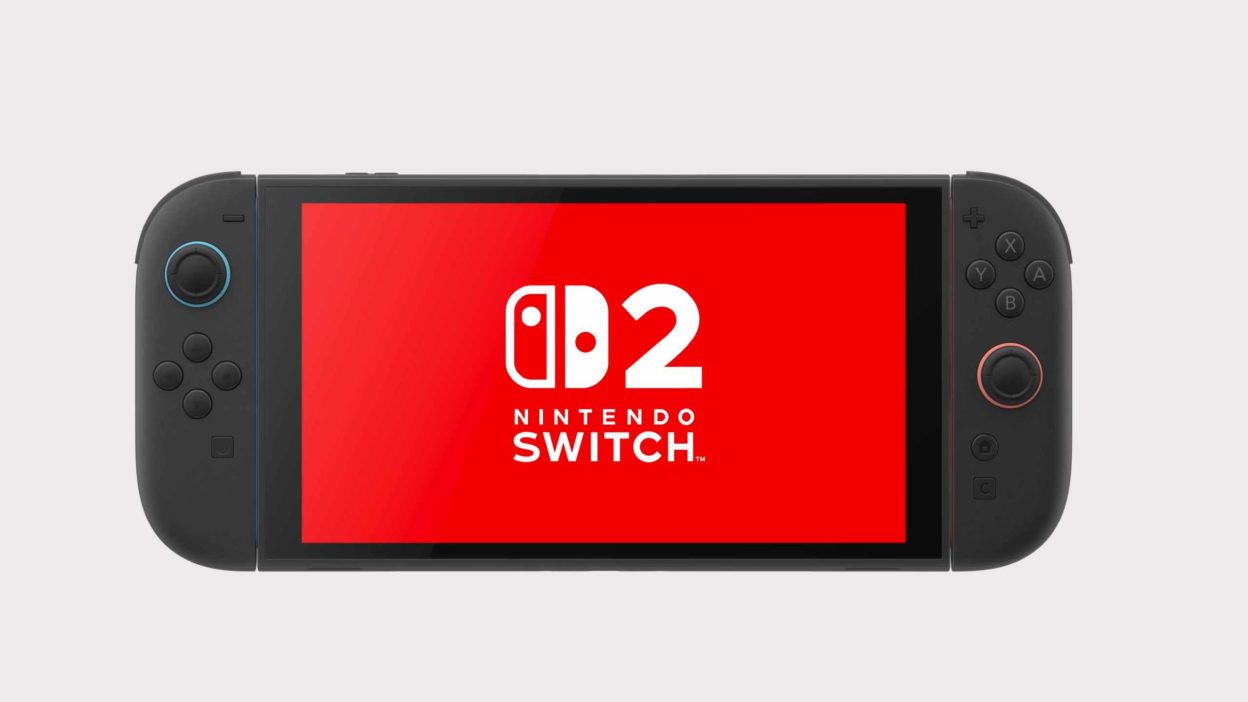
Shares of Nintendo Co. Ltd. fell roughly 10 percent in Tokyo trading on Wednesday as investors grew concerned about the momentum of its new Switch 2 gaming system. The stock’s drop reflects market anxiety over whether the console’s early sales strength will continue without a strong pipeline of major game titles.
Despite reporting robust sales for the Switch 2 during the year-end holiday season, the company’s earnings and hardware forecasts failed to excite the market, leaving some investors worried about future growth.
Why This Is Happening
Nintendo’s Switch 2 launched in mid-2025 and generated notable sales, but many analysts and traders are now focused on whether it can sustain long-term demand and software momentum. Early hardware success is often followed by a need for compelling game releases to keep the platform relevant and profitable.
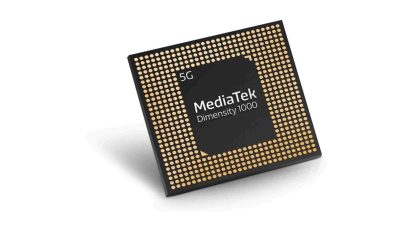
Investors also see memory chip cost pressures as a potential threat to future profitability, even though the company said the current impact on earnings is limited.
Current Stock and Business Snapshot
| Aspect | Recent Developments |
|---|---|
| Share price movement | Down about 10 percent in a single session |
| Investor concern | Sustained momentum of Switch 2 sales |
| Sales performance | Strong year-end holiday sales reported |
| Earnings forecast | Full-year earnings and hardware forecasts maintained |
| Software lineup view | Market sees it as lacking high-profile titles |
| Cost pressure | Rising memory chip prices potential future headwind |
Why It Matters to Americans
1. Global tech and entertainment stock sentiment
Nintendo is one of the most recognizable gaming brands worldwide. Its share performance can influence investor sentiment in technology and entertainment sectors in the U.S. and abroad.
2. Console lifecycle and game content
The success of gaming consoles often depends on both hardware demand and a strong pipeline of exclusive or hit game titles. U.S. players and publishers who partner with Nintendo may watch this closely as a barometer for platform vitality.
3. Supply chain costs and margins
Rising prices for components like memory chips affect many electronics companies. How Nintendo manages these costs may provide insight into broader consumer electronics industry trends.
Key Comparisons
| Theme | Current Situation |
|---|---|
| Hardware demand | Solid initial sales of Switch 2 |
| Software support | Seen as relatively weak so far |
| Market expectations | High after past console success |
| Near-term risk | Momentum concerns among investors |
| Cost backdrop | Memory prices elevated |
This comparison shows the disconnect between sales figures and market expectations for future momentum, highlighting how quickly stock sentiment can change.
Near-Term Outlook
Analysts are watching upcoming game releases and future quarterly results to gauge whether Switch 2 can build lasting demand. While short-term stock volatility reflects uncertainty, longer-term performance will hinge on both software lineup strength and cost pressures. This section is informational only and is not a forecast.
Practical Takeaways
Nintendo shares slid about 10 percent as investors fretted about Switch 2 momentum.
Strong Switch 2 holiday sales were reported, but lack of high-profile game titles dampened enthusiasm.
Annual earnings and hardware forecasts were maintained but did not reassure traders.
Rising memory chip costs are a potential future margin pressure point.
Bottom Line
Nintendo’s stock slide reflects growing market concerns about the long-term momentum of its latest gaming console, the Switch 2, and whether sales and software support can sustain investor confidence. Even with solid sales and steady earnings guidance, the market remains cautious, illustrating how sensitive gaming hardware stocks can be to momentum narratives and future growth outlooks.
Read more on the global AI stock selloff.
Frequently Asked Questions
Why did Nintendo shares fall sharply?
Nintendo shares dropped by around 10% as investors reassessed expectations for long-term demand for the Switch 2 console and future growth prospects.
Are Switch 2 sales weak?
No. Switch 2 sales were strong during the year-end holiday season, but investors are concerned about a limited pipeline of major new game titles needed to sustain momentum.
What forecasts did Nintendo maintain?
Nintendo maintained its annual earnings and hardware sales forecasts, which some investors viewed as conservative given earlier optimism around the new console.
Could rising memory prices hurt Nintendo?
Yes. Higher memory chip costs could pressure margins and profitability if elevated prices persist over a prolonged period.
Does this affect Nintendo’s long-term prospects?
Long-term prospects depend on future game releases and whether the Switch 2 platform can maintain strong consumer engagement over time.
Nintendo’s shares dropped about 10 percent after investors grew concerned about the sustained momentum of the Switch 2 console, despite strong sales and maintained forecasts, reflecting sensitivity to future software support and cost pressures.