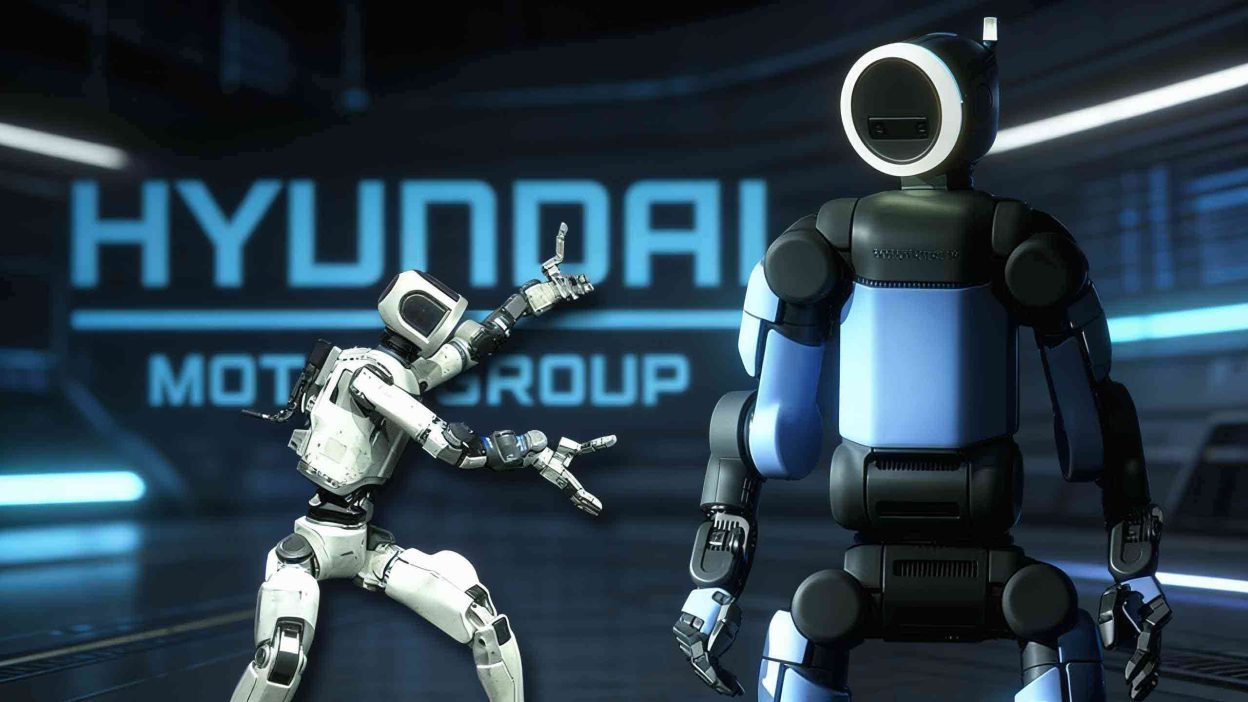
At CES 2026, South Korea’s Hyundai announced a bold plan to mass-produce humanoid robots and join a fast-growing global robotics sector that includes big names like Tesla and Boston Dynamics. Hyundai’s strategy hints at a future where robots could assist in factories, warehouses, and other settings that are tedious, repetitive, or risky for humans.
For everyday Americans, this emerging competition matters because it shows how automation and artificial intelligence are moving from the lab into real-world workplaces, not just in Silicon Valley but in manufacturing hubs around the world.
Why This Is Happening
Hyundai’s robotics push isn’t random; it’s based on a few key trends:
AI and physical automation: Global demand for artificial intelligence that can operate in the physical world, sometimes called physical AI, is rising rapidly, with companies like Nvidia and Google DeepMind developing systems that help robots perceive and act.
Manufacturing efficiency: Robots can take on tasks that are dangerous, repetitive, or physically demanding, freeing human workers for oversight, quality control, and higher-skill work.
Global competition: Tesla’s Optimus robot and other advanced humanoid designs from companies like Figure, Apptronik, and Agility show this is an industry with many players and plenty of investor interest.
All these forces are pushing automakers, tech firms, and industrial giants to develop scalable robotics capabilities.
What Hyundai Plans to Do
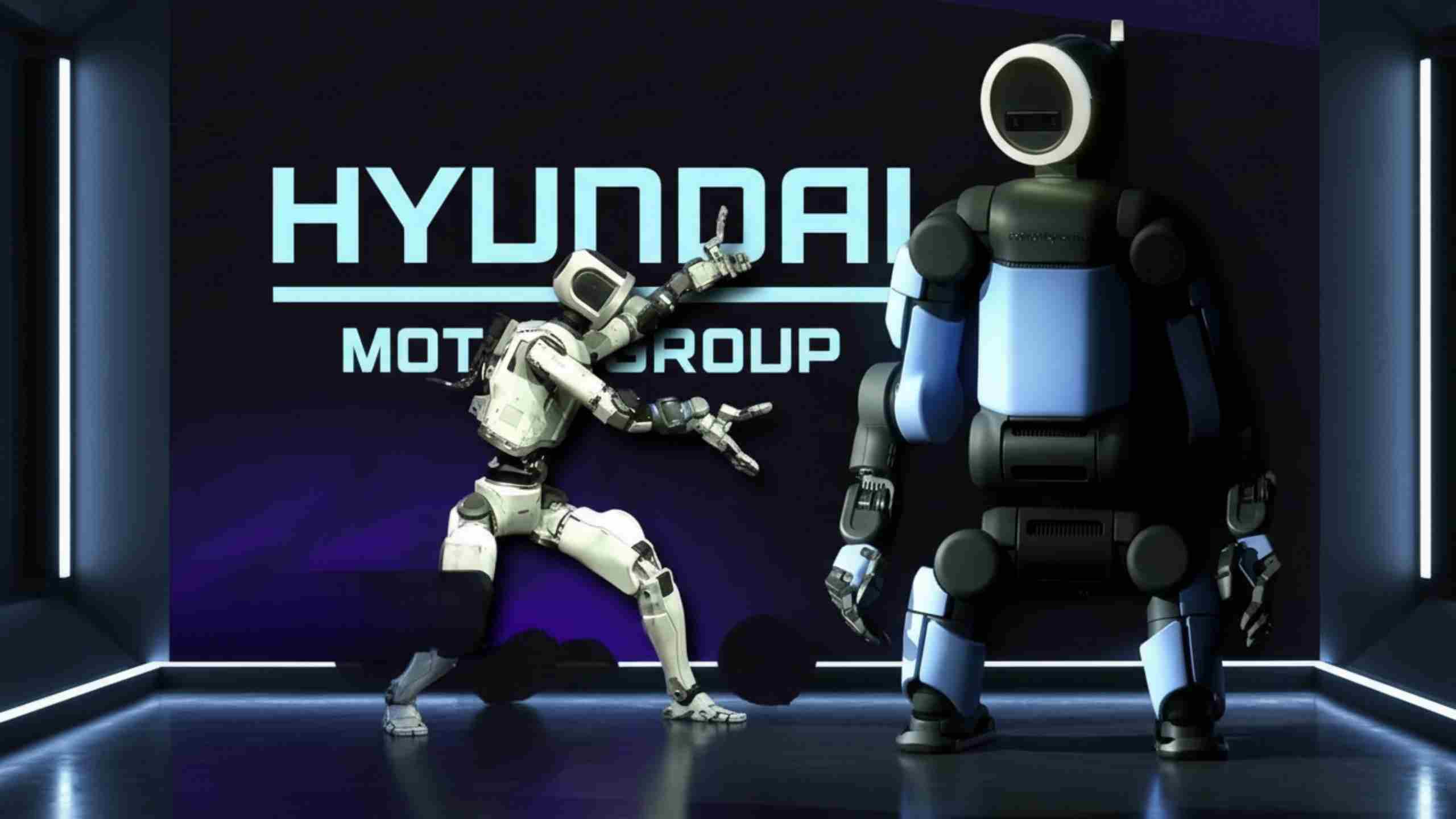
Hyundai says it will:
Build a robot manufacturing value chain using its logistics and parts arms so it can produce about 30,000 humanoid robots annually by 2028.
Deploy advanced Atlas humanoid robots in its own facilities beginning in 2028.
Expand applications over time from basic parts-sequencing to component assembly and other complex tasks by 2030.
Offer robotics-as-a-service (RaaS) subscription plans so companies can use robots without a huge upfront investment.
This effort builds on Hyundai’s majority stake in Boston Dynamics, a firm known for advanced legged and humanoid robots.
Current Robot Competition Snapshot
| Company | Strategy | Focus |
|---|---|---|
| Hyundai | Mass production and enterprise deployment | Industrial automation |
| Tesla | Optimus humanoid robot | General-purpose automation |
| Figure & Apptronik | Specialized humanoid designs | Labor-intensive settings |
| Agility Robotics | Practical warehouse robots | Fulfillment & logistics |
The field is crowded and diverse, with each player targeting different market niches.
Why It Matters to Americans
1. Job and productivity shifts
Humanoid robots may help U.S. manufacturers stay competitive by automating heavy, risky, or repetitive tasks, potentially raising productivity while reshaping workforce roles.
2. Cost of automation
As robots become cheaper and easier to deploy, companies may adopt them more widely, from factories to healthcare and logistics, which could change labor costs and job structures.
3. Innovation spillovers
Investment in physical AI and robotics may spur breakthroughs that affect other sectors, including autonomous vehicles, smart factories, and AI-driven services.
These trends link directly to broader economic and technological trends that matter for U.S. industry and employment.
Challenges and Realities
While the technology is exciting, obstacles remain:
Cost and scalability: Building and deploying humanoid robots at scale requires major investment and breakthroughs in reliability.
Safety and regulation: Robots working alongside humans raise questions about safety protocols and labor protections.
Skill transitions: Workers may need new training to manage, repair, and supervise automated systems rather than performing physical tasks.
These issues will shape how quickly and widely humanoid robots are adopted.
The humanoid robot race is no longer theoretical. Hyundai’s ambitious plan to mass-produce robots, alongside efforts from Tesla, specialized robotics firms, and AI partners, shows how robotics is moving toward real-world applications in factories and beyond. While challenges remain, the trend toward stronger physical AI and automation could change the face of manufacturing and labor in the years ahead.
Frequently Asked Questions
What is the Atlas robot?
Atlas is an advanced humanoid robot developed by Hyundai-owned Boston Dynamics, capable of tasks such as parts sequencing and lifting.
When will robots be used in Hyundai factories?
Hyundai plans to deploy humanoid robots starting in 2028, aiming for an annual production capacity of around 30,000 units.
Are other companies in this space?
Yes. Companies like Tesla, Figure, Apptronik, and Agility Robotics are also developing humanoid robot technologies.
Could robots take jobs from humans?
Humanoid robots may change job roles, but they are intended to operate alongside humans, handling repetitive or high-risk tasks.
Hyundai’s push into mass-producing humanoid robots, as part of a global humanoid robot race, reflects the rising investment in physical AI and automation, with deployment expected in factories by 2028 and broad implications for manufacturing and labor.