
At CES 2026, AMD revealed a major push into AI‑optimized hardware with a new lineup of processors designed specifically to accelerate artificial intelligence workloads on personal computers and in data centers.
This AI PC chips launch signals a broader shift in computing: AI is no longer just server-based; it’s becoming embedded into everyday devices and enterprise infrastructure.
For U.S. consumers and tech professionals alike, this development highlights how AI performance is becoming a built-in feature of next-generation computing, not just a cloud service.
Why This Is Happening
Demand for AI capabilities has exploded. Applications that once required powerful cloud servers, like image generation, voice recognition, and real-time translation, are increasingly being pushed onto local devices to improve speed, privacy, and user experience.
At the same time, enterprise customers and cloud providers want greater efficiency for large-scale AI workloads. This has triggered intense competition among chip makers, and AMD’s latest products are designed to capture market share from rivals by balancing performance, power efficiency, and real-world AI use cases.
What AMD Announced
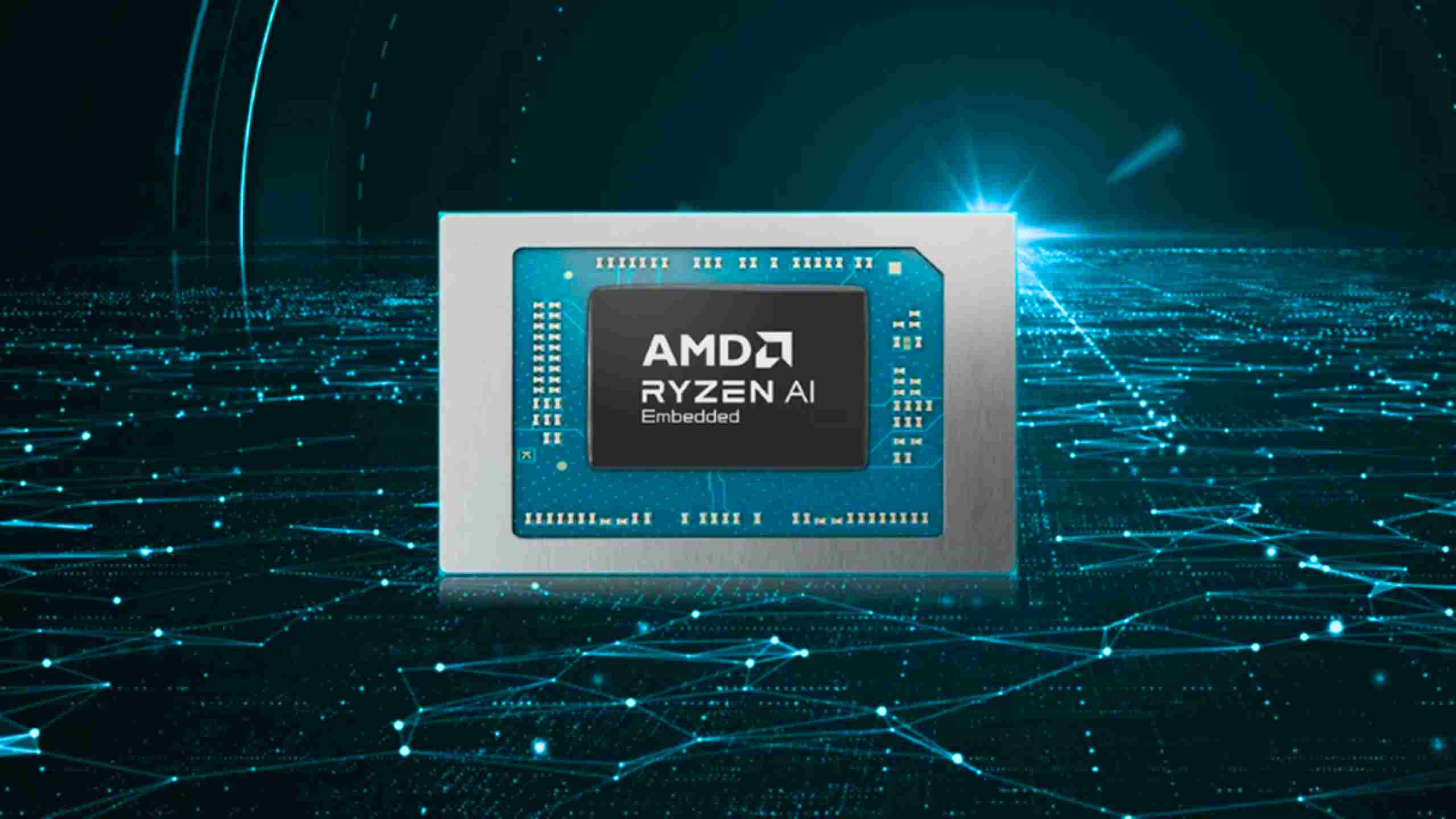
At the show, AMD introduced two major classes of AI hardware:
New AI PC Processors
These chips are built into laptops and desktops and can handle AI tasks locally, without constant reliance on remote servers. That means:
Faster on-device AI responses
Lower latency for real-time features
Enhanced privacy by keeping data on the device
Next-Gen Data-Center Chips
For cloud and enterprise customers, AMD unveiled its latest server-grade processors designed for AI training and inference workloads. These aim to compete with other leading data-center solutions by offering improvements in performance per watt and scalability.
These products reflect AMD’s strategy to serve both individual users and large institutions as AI becomes a standard feature of computing.
Current Market Context
| Segment | AMD Focus | Broad Trend |
|---|---|---|
| PC AI | On-device processing | Shift from cloud to hybrid AI |
| Data center | High-efficiency AI servers | Rapid enterprise AI adoption |
| Competition | Intel, Nvidia, hyperscale partners | Heavy investment in AI chips |
This positioning puts AMD in competition not only with traditional rivals in CPUs and GPUs but also with companies that offer specialized AI accelerators and chip ecosystems.
Why It Matters to Americans
1. Real-World AI on Everyday Devices
AI features that once required cloud power may soon run directly on laptops and desktops. This could improve privacy and reduce dependence on internet connections, especially for applications like real-time voice assistants and smart workflows.
2. U.S. Tech Industry Leadership
AMD’s innovation supports the broader U.S. semiconductor ecosystem, which includes research, fabrication, software development, and AI integration. Strong domestic hardware development contributes to jobs and competitiveness.
3. AI Hardware Impact on Robotics
The growing demand for AI is not limited to personal computers and data centers. Advanced AI processors for robotics are increasingly crucial as companies develop humanoid robots and other autonomous machines. These chips enable robots to process real-time data, recognize environments, and make decisions independently, highlighting how innovations in PC and server AI hardware directly support the broader robotics ecosystem.
4. Speed and Cost Efficiency
On-device AI reduces the need for constant cloud compute, which can lower operating costs for businesses and offer smoother performance for consumers.
Comparisons: AI Chips Today vs. Earlier Generations
| Metric | Previous Gen | New AMD AI Chips |
|---|---|---|
| AI performance | Limited local performance | High AI throughput |
| Latency | Heavily cloud-dependent | Lower, on-device inference |
| Power efficiency | Less optimized | Better efficiency for AI tasks |
| Enterprise scale | Cloud first | Hybrid local + cloud |
This comparison shows how chip evolution is aligning AI performance with practical real-world use cases.
Practical Takeaways
AI is becoming embedded in devices: Expect more PCs and laptops to include native AI processing.
Cloud and local AI will coexist: Powerful data-center chips will still serve enterprise needs while devices handle everyday AI tasks.
Competition drives innovation: AMD’s moves push the industry toward better performance and efficiency.
AI hardware impacts tech markets: Advanced AI chips, such as those from AMD, influence investor sentiment and tech-sector growth, supporting narratives in blogs like “Tech Billionaires Cashed Out $16 Billion.“
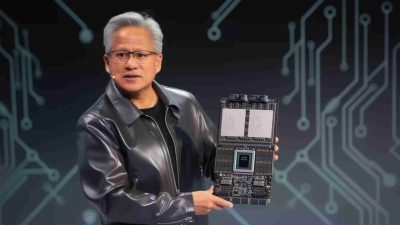
- As AI compute demand grows not only for on-device tasks but also for massive data-center workloads, rivals like Nvidia have unveiled next-generation AI platforms that aim to further accelerate training and inference.
The AI PC chips launch at CES 2026 marks a milestone in how AI computing is packaged and delivered. With new processors for both personal devices and data centers, AMD is positioning itself as a key player in the next chapter of computing, where artificial intelligence is integral to everyday digital experiences, robotics, and enterprise workflows.
Frequently Asked Questions
What does “on-device AI” mean?
It refers to running AI tasks directly on a user’s computer or device, rather than relying on remote cloud servers.
Why is local AI processing important?
Local processing reduces latency, improves data privacy, and lowers dependence on cloud-based computing costs.
Will these chips be expensive?
Pricing depends on performance tier and model, with higher-performance AI chips generally costing more.
Do other companies make AI chips?
Yes, major competitors include Intel, Nvidia, and other semiconductor manufacturers.
When will these new chips be available?
AMD has indicated a phased rollout, with broader availability expected through 2026.
AMD’s CES 2026 AI PC chips launch introduces processors that bring powerful AI capabilities to personal devices and data centers. These innovations support robotics, enterprise AI, and tech investment momentum, reflecting broader trends in AI computing and competition in the semiconductor industry.