
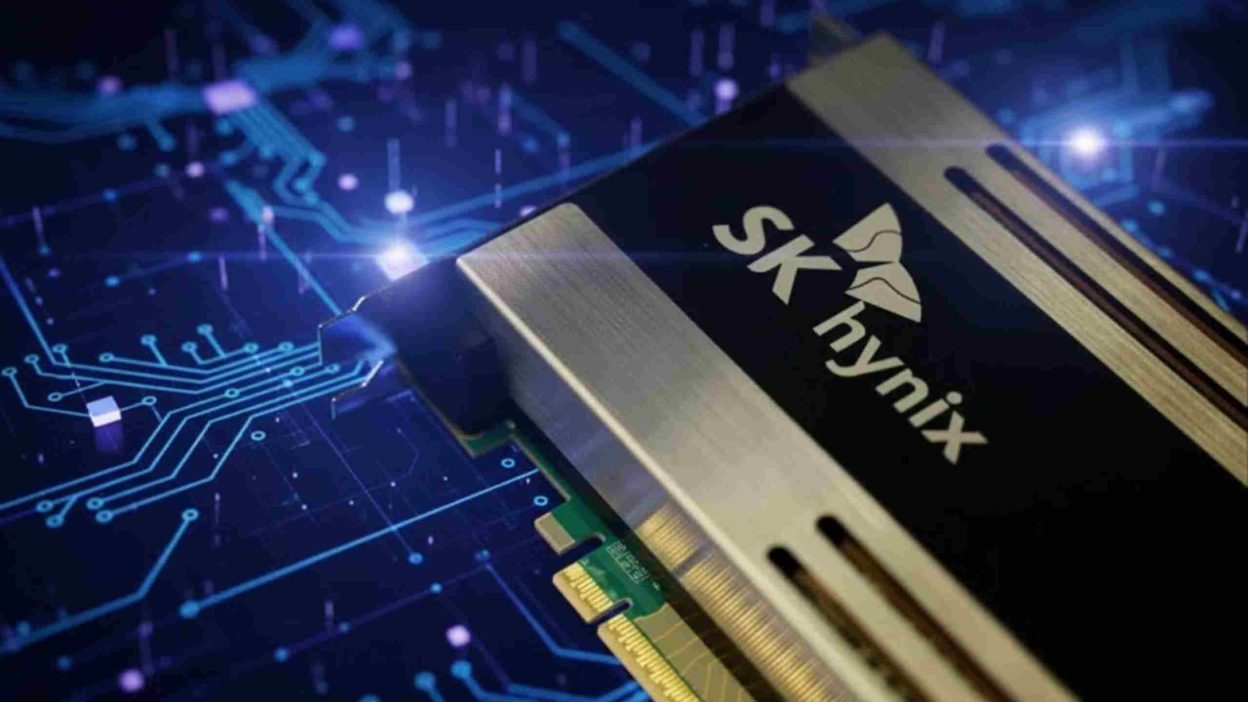
Two of the world’s largest memory chip makers, Samsung Electronics and SK Hynix, have warned that supplies of memory chips for everyday devices like PCs and smartphones are becoming tighter. This is due to a surge in demand for high-end memory used in artificial intelligence infrastructure and data centers.
These comments come amid strong market demand for advanced chips and rising prices, which are shifting production focus away from commodity memory toward high-bandwidth memory (HBM) used by AI companies.
Why Is This Happening
Samsung and SK Hynix are focusing more of their production on high-bandwidth memory (HBM) that powers AI servers and accelerators. This type of chip commands higher prices and better margins, so manufacturers are directing more capacity to meet AI demand.
This shift is also a major contributor to Samsung’s recent surge in semiconductor profits, as AI-related memory products generate significantly higher returns than traditional consumer-focused chips. At the same time, the reallocation of production reduces the capacity available for commodity DRAM used in laptops, desktop PCs, and smartphones.
Current Market Snapshot
| Chip Category | Trend | Impact |
|---|---|---|
| High-bandwidth memory (HBM) | Strong global demand | Higher prices, priority production |
| Commodity DRAM (PCs, phones) | Supply tightening | Increased costs for devices |
| Memory chip prices | Rising | Affects product costs for tech OEMs |
| Production capacity | Limited expansion | Increasing competition for allocations |
Samsung and SK Hynix both signaled that expanding memory production capacity will remain limited through at least 2026 and 2027 as AI demand stays robust.
Why It Matters to Americans
Memory chips are key components in many consumer electronics sold and made in the U.S., including laptops, tablets, and smartphones. A supply squeeze means:
Device pricing pressure: Higher memory costs can contribute to pricier PCs and smartphones.
Manufacturing challenges: Companies that assemble consumer tech may need to adjust specs or plan for longer lead times.
Broad tech sector effects: Memory shortages can ripple into supply chains that support U.S. tech firms and data center operators.
This situation shows how global shifts in demand for AI technology are affecting everyday products and supply chains well beyond high-end servers.
Key Comparisons
| Memory Type | Primary Use | Current Demand Trend |
|---|---|---|
| HBM (AI memory) | AI servers and accelerators | Very strong, supply tight |
| Commodity DRAM | PCs, smartphones | Supply tightening |
| NAND flash | Storage memory | Mixed demand patterns |
AI-focused memory continues to absorb available production capacity, leaving less capacity for traditional memory markets that supply consumer electronics.
Near-Term Outlook
Market research and industry leaders indicate that memory supply tightness could continue through 2026 and 2027, driven by sustained investment in AI and data center capacity. Expansion of production facilities takes time, and building new semiconductor fabs can take years, contributing to ongoing constraints.
This environment may lead to continued memory price increases and long-term contracts that prioritize large AI customers.
Practical Takeaways
Samsung and SK Hynix warn memory supplies for PCs and phones are tightening due to AI demand.
Chip makers are directing production toward high-bandwidth memory used in AI systems.
Rising memory prices can affect consumer devices and overall tech costs.
Supply capacity expansion is expected to remain limited through at least 2027.
Bottom Line
Warnings from Samsung and SK Hynix show how the global semiconductor market is evolving under AI-driven demand. Memory chips used in consumer electronics are becoming harder to secure as production shifts toward AI-related products, which could influence device pricing, supply chain planning, and broader technology trends in the U.S.
Frequently Asked Questions
Why are Samsung and SK Hynix concerned about memory supply?
Both companies say surging demand for AI-related memory is absorbing a large
share of production capacity, tightening supply for memory chips used in
personal computers and smartphones.
What is high-bandwidth memory (HBM)?
High-bandwidth memory (HBM) is a specialized, ultra-fast type of memory used
in AI servers and accelerators. It commands premium pricing and is currently
in exceptionally strong demand.
How could this affect device prices?
If memory costs remain elevated, manufacturers of consumer electronics may
pass some of those higher component costs on to buyers through increased prices.
Is this supply issue temporary?
Industry leaders suggest the tight supply environment could persist through
at least 2026 and 2027, as expanding production capacity takes significant time
and investment.
Samsung Electronics and SK Hynix warned that strong demand for AI memory is squeezing supplies of DRAM used in PCs and smartphones, likely leading to higher prices and limited availability through at least 2026-27.