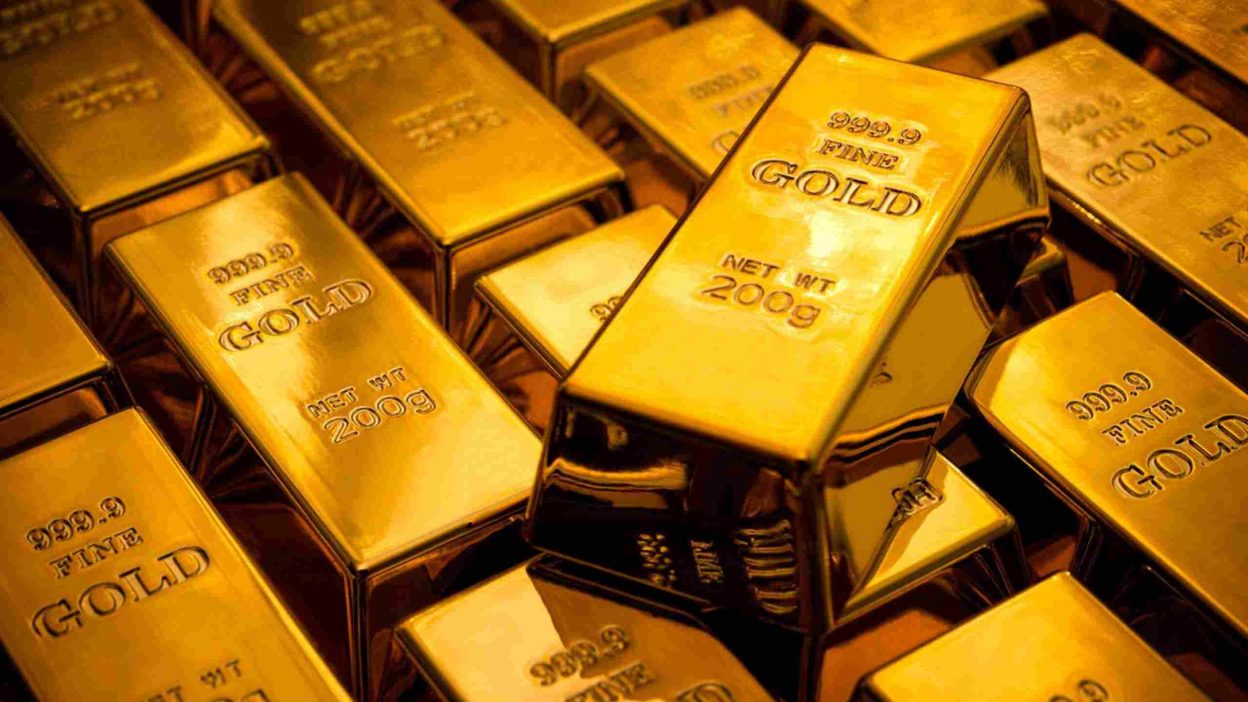
Gold prices have been volatile this year but remain near historic highs. After a brief pullback on Thursday, gold resumed its climb. This trend matters to many Americans who watch gold for clues about inflation, monetary policy, and broader market risk.
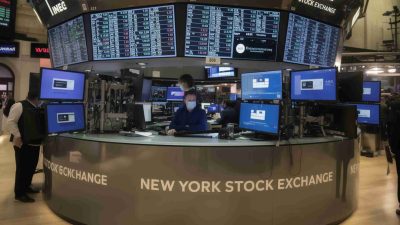
Most investors are not watching gold every day. But when gold hits new records or sees big price swings, it can signal wider shifts in the economy and financial markets that affect retirement savings, inflation expectations and the value of other assets.
Why Gold Prices Are Rising
Gold prices have climbed sharply since 2025. Several key factors are driving this move: geopolitical uncertainty, changes in monetary policy, demand from investors and shifts in the US dollar.
Geopolitical Tension and Safety Demand
Uncertainty around global events can push investors toward assets seen as safe stores of value. Gold is traditionally one of these assets. When markets are uneasy, demand for gold can rise.
Monetary Policy Influence
Expectations about interest rates play a role in gold pricing. When real yields on bonds are low or expected to fall, gold can appear more attractive because it does not pay interest.
Weaker US Dollar Effects
Because gold is priced in US dollars, a weaker dollar often supports higher gold prices. When the dollar dips, buyers using other currencies may increase demand for gold.
Recent Market Snapshot
| Metric | Current Context |
|---|---|
| Gold price trend | Strong rally with recent pullback before resuming gains |
| Dollar influence | Dollar movements remain key to price direction |
| Geopolitical risk | Elevated uncertainty continues to support safe-haven demand |
| Market volatility | Precious metals showing wider swings compared with stocks |
Why This Matters to Americans
Gold price moves can affect investor portfolios, inflation expectations and financial sentiment. Many retirement accounts include gold derivatives, ETFs or funds tied to metals. Sharp swings in price may influence allocations.
Economic conditions like inflation and interest rates also affect household budgets through mortgage rates, savings yields and loan costs. Gold responds to these conditions and may serve as an early signal of broader trends.
Near Term Outlook
The gold price may remain sensitive to three broad themes: financial market volatility, central bank policy decisions and currency strength. There are no guarantees about future price direction. This is an informational snapshot, not a forecast.
Practical Takeaways
Gold price moves reflect broader market and economic forces.
Changes in interest rate expectations influence gold and other assets.
The US dollar’s strength often moves opposite gold prices.
Geopolitical events can increase demand for safe-haven assets like gold.
Conclusion
Gold remains an important market barometer in early 2026. After a rare drop and quick rebound, its price behavior shows how investors react to global risk and monetary policy expectations. Monitoring gold can help Americans understand wider market dynamics.
Frequently Asked Questions
What does a rising gold price signal?
Higher gold prices often reflect investor concern about risk assets, economic stability, or currency value.
Does the U.S. dollar affect gold prices?
Yes. A weaker U.S. dollar generally supports higher gold prices, as gold becomes cheaper for foreign buyers.
Why did gold fall sharply before rising again?
Markets sometimes correct after rapid gains due to profit-taking or short-term volatility before resuming trends based on demand and risk factors.
Is gold a good hedge against inflation?
Gold has historically been considered a store of value during inflationary periods, although performance can vary over time.
Are gold prices tied to interest rates?
Yes. Expected changes in interest rates can influence gold prices through real yields, which affect the opportunity cost of holding non-interest-bearing assets.
Does geopolitical news affect gold?
Yes. Global events and geopolitical tensions often increase demand for gold as a safe-haven asset.
Gold prices paused then resumed their climb after a drop. Key drivers include risk sentiment, dollar movements and monetary policy signals. Understanding these can offer context for price swings.