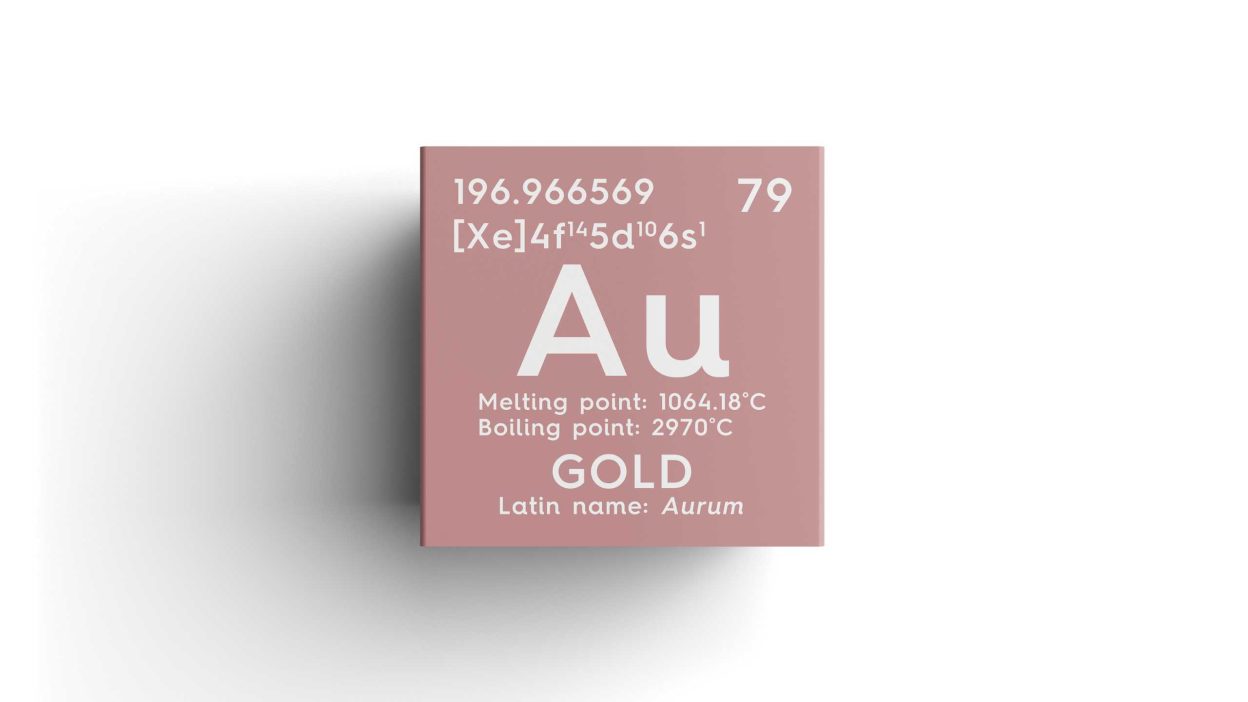
Gold has been revered for millennia, symbolizing wealth, prosperity, and beauty. Its unique properties, such as its scarcity, durability, and malleability, make it one of the most valuable metals in the world. But beyond its cultural significance, gold plays a critical role in the global economy, investment strategies, and industries.
In this blog, we’ll explore gold’s history, its industrial uses, its role as an investment asset, and its price trends in the modern market.
1. History and Importance of Gold
Gold in Ancient Civilizations
Gold’s journey as a currency and symbol of power dates back over 5,000 years. The ancient Egyptians were among the first to use gold extensively, not just for coins but also for jewelry and artifacts. Ancient empires such as the Roman Empire and the Aztecs used gold as a medium for trade and a symbol of divine power.
Gold as Money
Gold’s role as money began around 600 BC when the first gold coins were minted in the kingdom of Lydia. For centuries, gold remained the standard currency, and it wasn’t until the 20th century that the gold standard was abandoned. However, its role as a store of value still holds strong today.
2. Gold’s Industrial Use and Value
Industrial Applications
While gold is primarily valued for its investment properties, it also has significant industrial applications. Electronics, medical devices, and space technology are just a few industries that rely on gold’s unique properties:
Electronics: Gold’s excellent conductivity and corrosion resistance make it ideal for use in computers, smartphones, and circuit boards.
Medical Devices: Gold nanoparticles are used in cancer treatments, diagnostics, and medical devices due to their biocompatibility.
Aerospace: Gold is used in the aerospace industry for high-performance applications like satellite components due to its high melting point and conductivity.
Gold in Jewelry
The largest use of gold is in jewelry, where it continues to represent luxury and status. Gold jewelry accounts for a significant percentage of global gold consumption, especially in Asia and the Middle East.
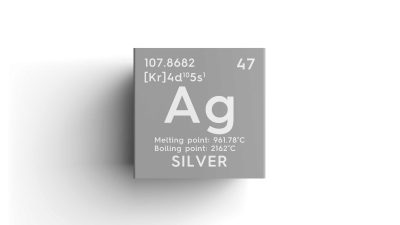
Learn About Silver’s Industrial Value, Investment Potential, and Growing Demand
3. Gold as an Investment Asset
Gold as a Safe-Haven Asset
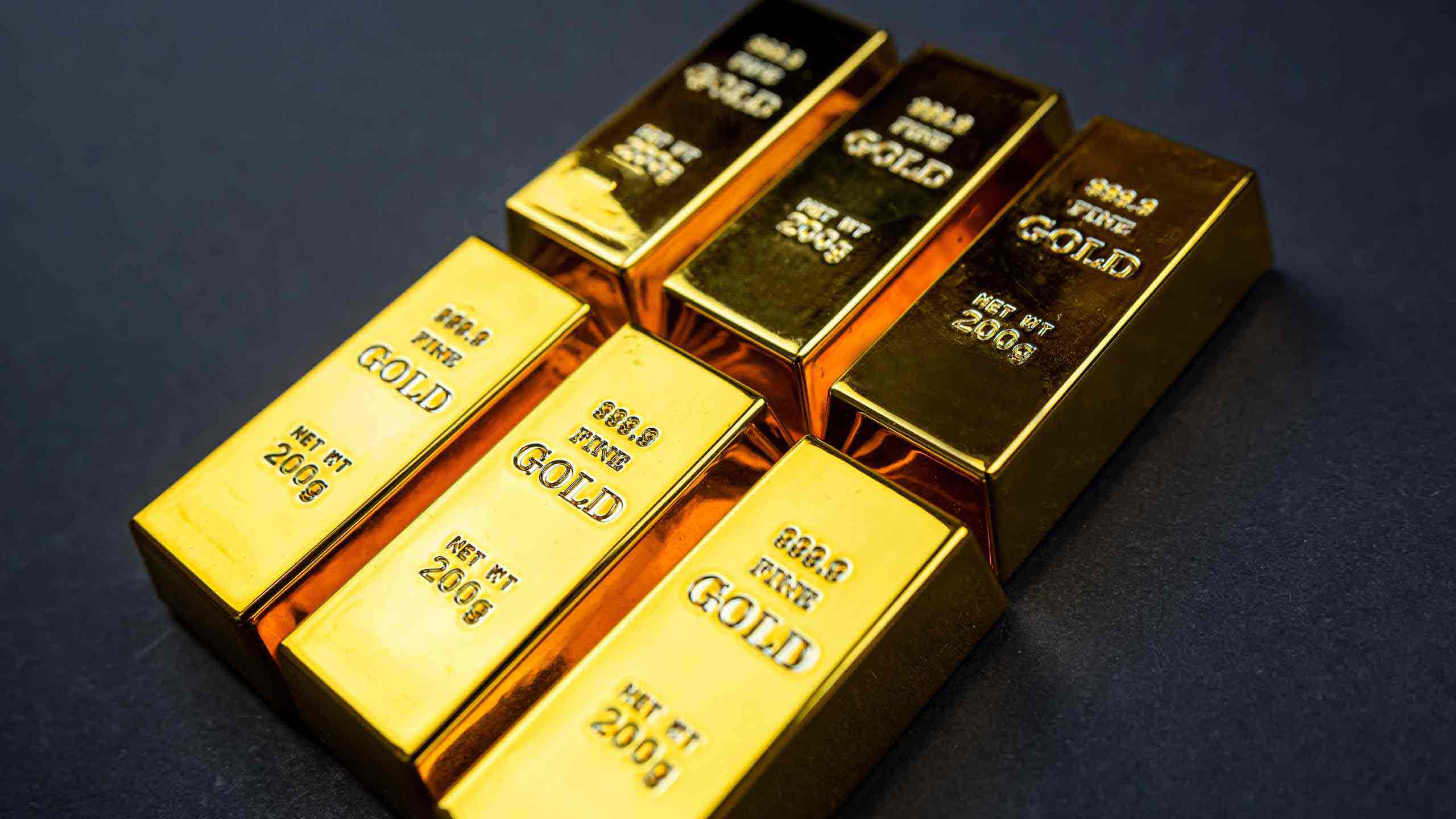
Gold is often seen as a safe-haven asset, especially in times of economic uncertainty. Historically, when inflation rises or economies falter, investors flock to gold as a way to preserve their wealth. It is considered a hedge against inflation, currency devaluation, and geopolitical risks.
Gold’s Investment Forms
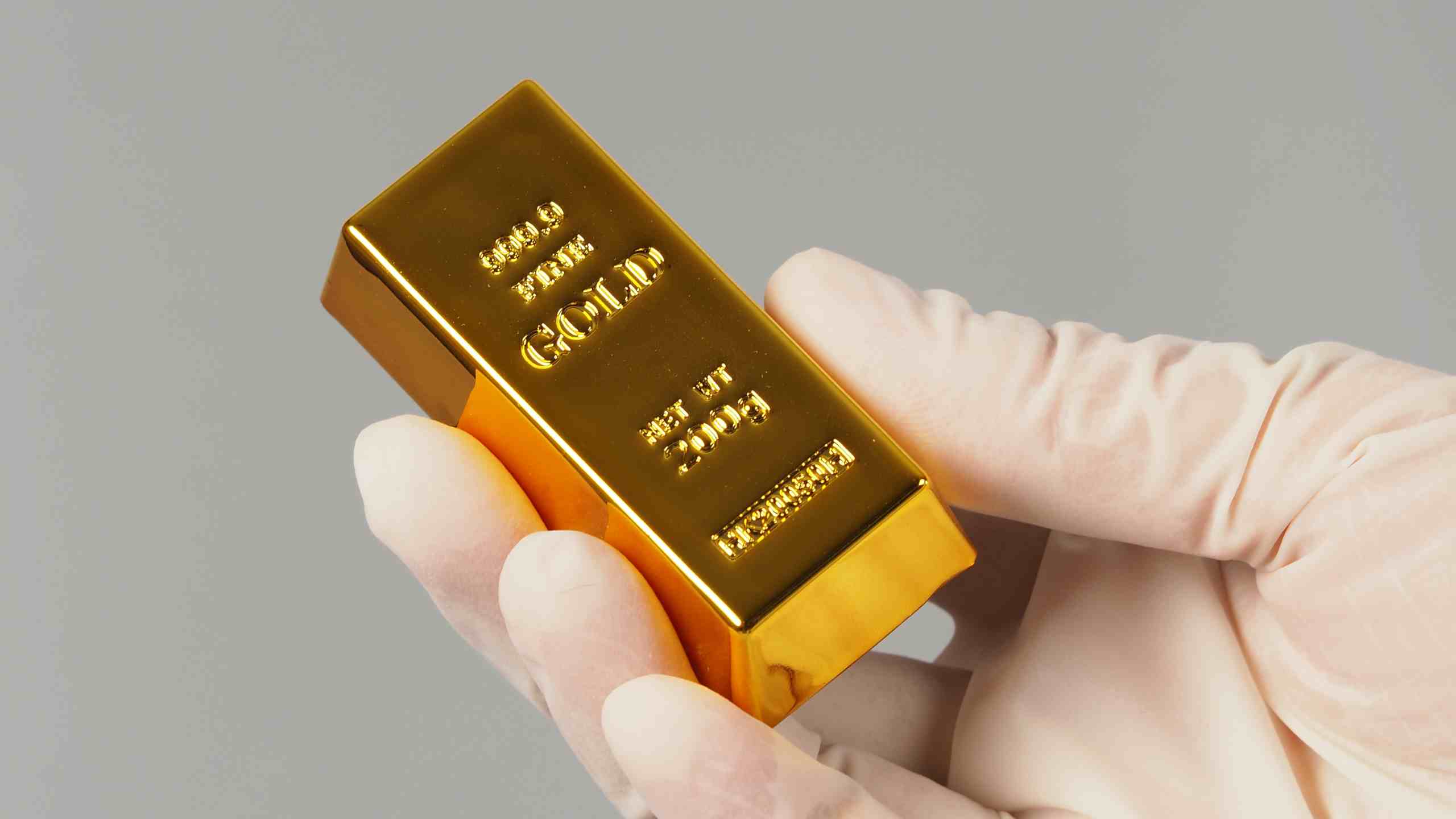
Physical Gold: Buying physical gold in the form of coins, bars, or jewelry remains a traditional and popular way to invest in gold.
Gold ETFs: Investors can also buy Exchange-Traded Funds (ETFs) that track the price of gold without needing to store the physical metal.
Gold Mining Stocks: Investing in companies that mine gold provides indirect exposure to gold prices.
Is Gold a Good Investment?
Gold has historically proven to be a solid investment that maintains its value over time, but it can also be volatile. In the long run, gold tends to appreciate, making it an attractive investment for wealth preservation. However, short-term investors may face challenges as the price of gold can be impacted by interest rates, global financial crises, and currency fluctuations.
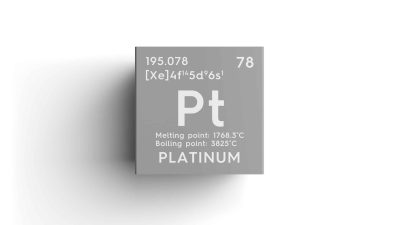
Learn About Platinum: History, Uses, and Investment Potential of a Rare Precious Metal
4. Gold’s Price Trends and What Affects Its Price
Price Trends
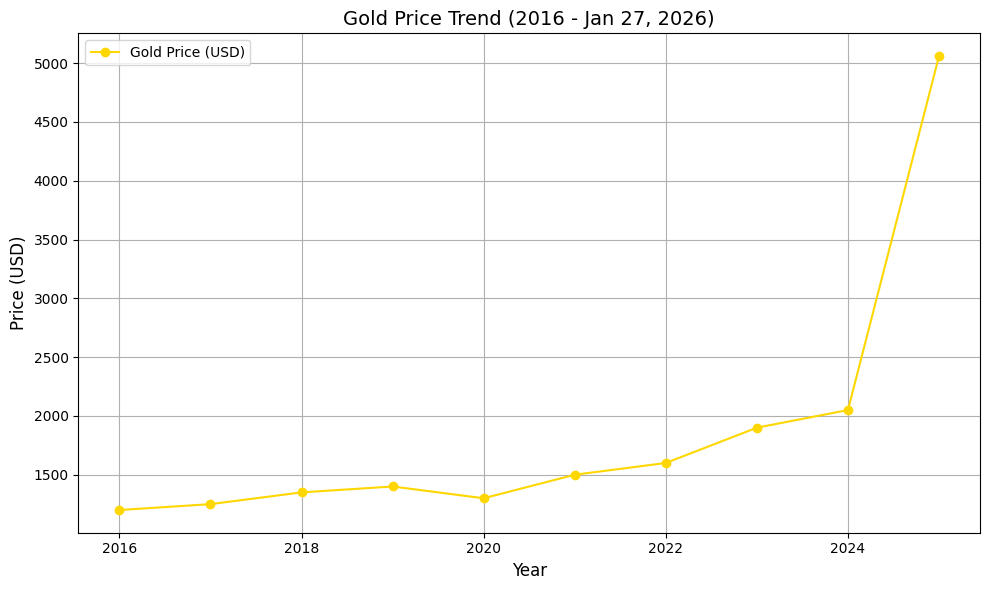
The price of gold fluctuates based on several factors, including economic conditions, monetary policies, and market demand. The price reached all-time highs during the 2020 pandemic as investors sought refuge from economic instability, surpassing $2,000 per ounce.
What Affects Gold’s Price?
Interest Rates: Rising interest rates often decrease the demand for gold because gold doesn’t pay interest, making bonds more attractive.
Global Economic Conditions: Recessions and financial instability increase the demand for gold.
Inflation: As inflation rises, gold becomes more attractive as a hedge against currency devaluation.
Geopolitical Uncertainty: Political instability, wars, and trade conflicts often push gold prices higher.
5. The Future of Gold
Renewable Energy
Gold may not play a significant role in renewable energy directly, but it is used in solar panels and other technologies in limited capacities. As technology advances, we may see increased demand for gold in the green energy sector.
Sustainable Mining Practices
With growing concern over the environmental impact of gold mining, the industry is pushing for more sustainable mining practices. Ethical gold, which is sourced from responsible mining operations, is gaining traction in the market.
Bottom Line
Gold remains a symbol of wealth, a reliable investment asset, and a vital component in numerous industries. Its history, versatility, and market resilience make it an indispensable part of the global economy. As long as economic uncertainty persists, gold will continue to be a trusted asset in investment portfolios. Whether you are an investor or someone interested in its industrial uses, gold will remain a precious commodity with unmatched value.