The New York Stock Exchange (NYSE) is the foundational pillar of global equity markets. Often called the “Big Board,” it remains the world’s largest exchange with a total market capitalization of $44 trillion as of early 2026.
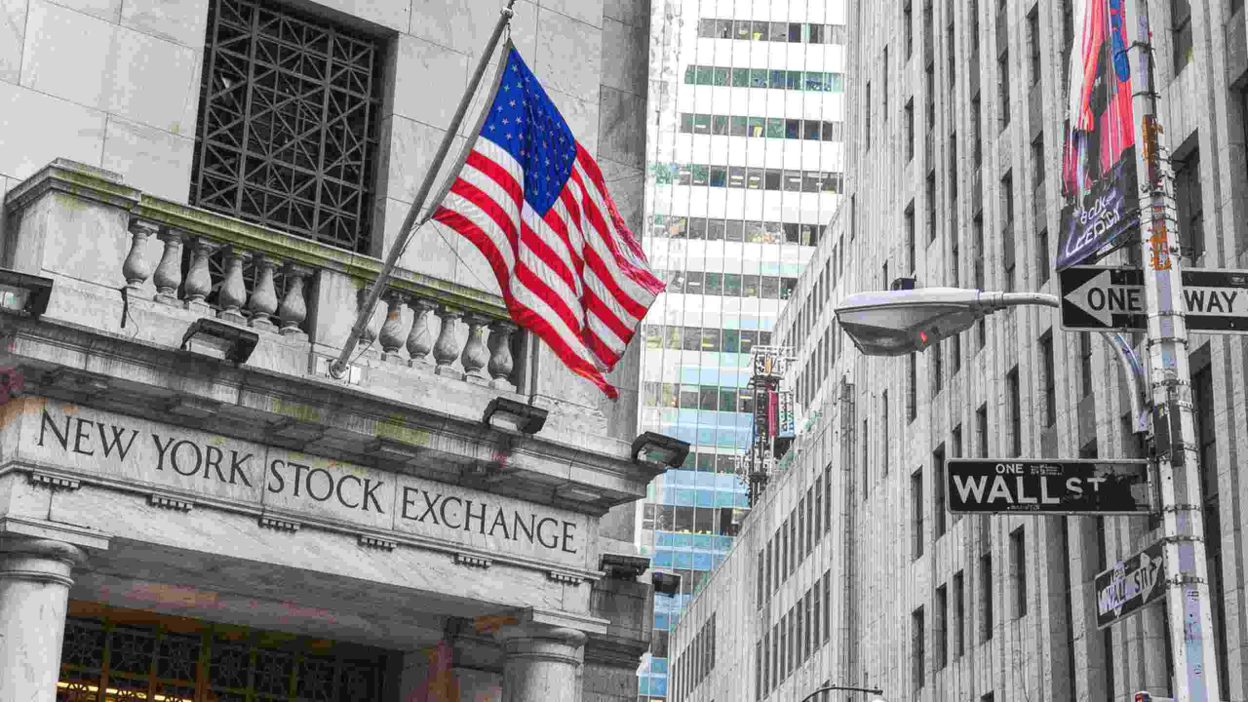
While its iconic facade stands at 11 Wall Street in Lower Manhattan, its technological heart is localized in Mahwah, New Jersey. This is where the ICE Data Center houses the Pillar matching engines that power global finance.
Despite its 230-year history, the NY Stock Exchange is a modern institution that enforces strict governance for the world’s most valuable companies. For beginners, the NYSE is defined less by trading mechanics and more by its role as a gatekeeper of corporate quality.
NYSE at a Glance
| Attribute | Details |
| Exchange Name | New York Stock Exchange (NYSE) |
| Physical Hub | 11 Wall Street, NYC |
| Data Hub | Mahwah, NJ (ICE Data Center) |
| Founded | 1792 |
| Owner | Intercontinental Exchange (ICE) |
| Exchange Type | National Securities Exchange |
| Primary Focus | Large-cap equities |
| Trading Model | Hybrid (electronic + floor-based) |
| Regulatory Oversight | U.S. Securities and Exchange Commission |
Why the NY Stock Exchange Still Matters in 2026?
The NYSE is not just a place where stocks trade. It plays a structural role in the financial system.
- Global Leaders: It hosts many of the largest multinational corporations.
- High Standards: It maintains higher listing and governance standards than most alternative venues.
- Stability: It supports long-term capital formation rather than purely short-term trading volume.
For global investors, a NYSE listing still signals maturity, stability, and institutional credibility.
What Is Actually New in 2026?
Despite its reputation for tradition, the NYSE has introduced several meaningful changes in recent years. These developments reflect experimentation rather than a complete transformation.
Key Developments to Know
| Area | 2026 Status |
| Extended Trading Initiatives | Pilots and regulatory discussions are ongoing |
| Tokenization Experiments | Limited pilots via ICE-affiliated infrastructure |
| Settlement Cycle | Transition toward faster settlement frameworks |
| Listing Standards | Continued tightening for low-priced securities |
Beginners need to understand that core NYSE trading still occurs during standard U.S. market hours, and most institutional liquidity remains concentrated there.
Listing Standards and the Push Against Low-Quality Stocks
One of the most important changes for retail investors is the NYSE’s increasingly strict stance on low-priced and non-compliant issuers.
Current Listing Discipline
| Requirement | General Expectation |
| Minimum Share Price | Typically, around $4.00 for new listings |
| Sub-Dollar Stocks | Subject to accelerated compliance review |
| Governance | Strong board and disclosure standards are required |
This approach reduces the presence of speculative or deteriorating companies and reinforces the NYSE’s role as a home for established businesses rather than distressed issuers.
Market Focus and Who Trades on the NYSE
The NYSE is best known for blue-chip, large-capitalization companies.
Core Characteristics
- Home of the Dow Jones Industrial Average
- Strong presence in financials, industrials, energy, healthcare, and consumer brands
- High participation from institutional investors
Who Dominates Trading Activity
| Participant Type | Role |
| Pension Funds | Long-term capital allocation |
| Asset Managers | Portfolio construction and indexing |
| Sovereign Funds | Strategic equity exposure |
| Retail Investors | Secondary participation via brokers |
This institutional dominance contributes to comparatively smoother price behavior than growth-heavy venues.
NYSE vs Nasdaq in 2026
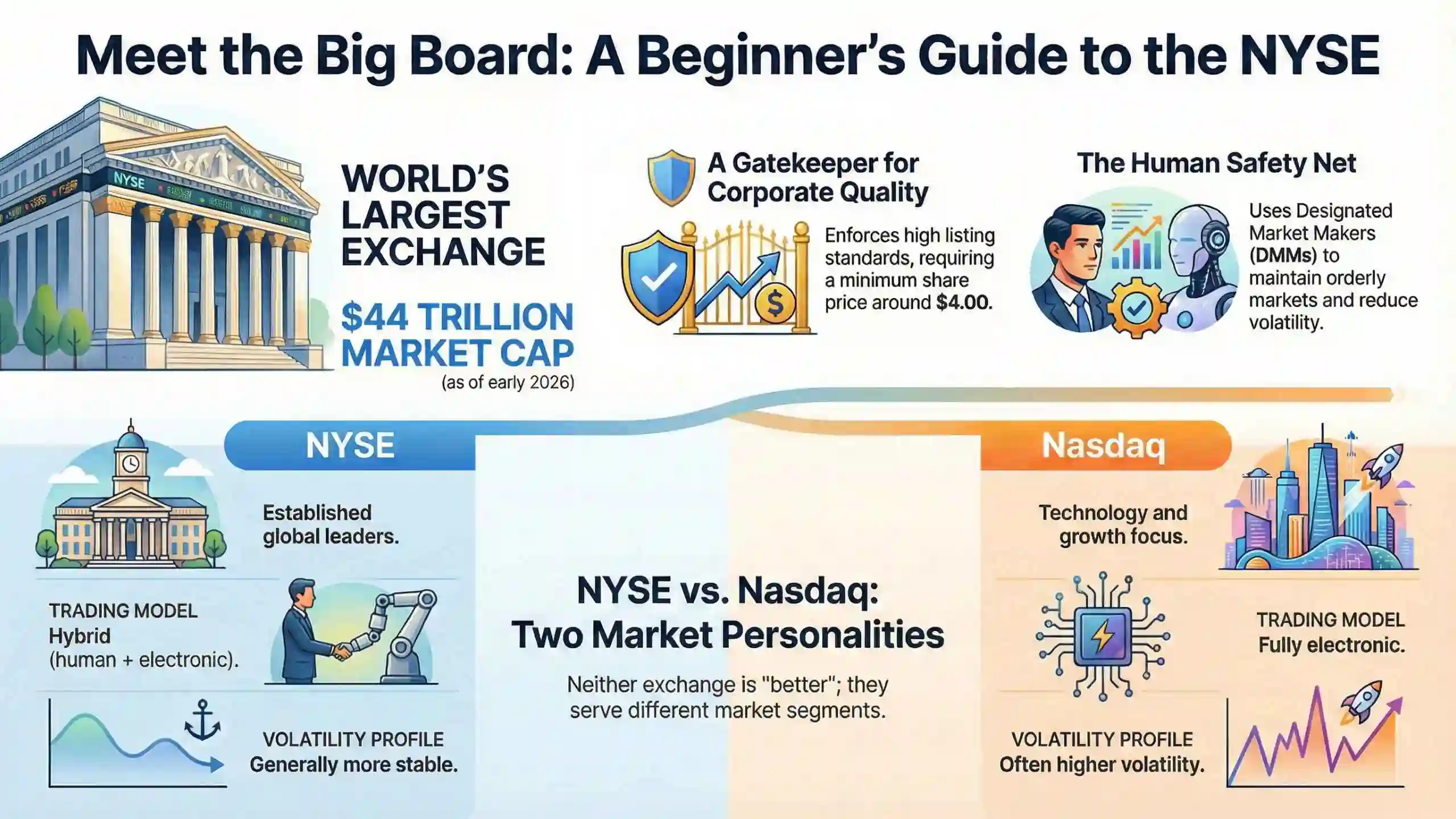
For beginners, the NYSE and Nasdaq may look similar, but they serve different market personalities.
| Feature | NYSE | Nasdaq |
| Market Identity | Established global leaders | Technology and growth focus |
| Trading Model | Hybrid with human oversight | Fully electronic |
| Volatility Profile | Generally more stable | Often higher volatility |
| Signature Strength | Governance and liquidity | Speed and innovation |
Neither exchange is “better.” They serve different segments of the market ecosystem.
Why Humans Still Matter: The Designated Market Maker
A defining feature of the NYSE is the Designated Market Maker (DMM) system.
DMMs are obligated to:
- Maintain orderly markets
- Support liquidity during volatility
- Manage opening and closing auctions
In an era of high-frequency trading and short-dated options, this human oversight helps reduce extreme dislocations that purely electronic markets sometimes experience.
Practical Tips for Beginners
| Topic | What to Know |
| Trading Hours | 9:30 AM to 4:00 PM Eastern Time |
| Opening Auction | Sets the first official price of the day |
| Closing Auction | Determines prices used by funds and indexes |
| Low-Price Stocks | Higher delisting risk in 2026 |
For beginners entering the NY Stock Exchange, understanding trading hours, auctions, and listing rules is essential to managing risk.
Readers looking for the complete U.S. stock exchanges list can explore our detailed guide.
Final Thoughts
In 2026, the New York Stock Exchange remains far more than a trading venue. It is a gatekeeper of quality, a stabilizing force in volatile markets, and a cornerstone of global finance.
For beginners, learning how the NYSE works provides context for the rest of the U.S. stock market. Understanding its role makes every future investment decision more informed.
Frequently Asked Questions
Can I trade on the NYSE 24/7 in 2026?
The NYSE is piloting 24/7 trading for tokenized blue-chip stocks. However, standard stock trading still occurs during the Core Session (9:30 AM to 4:00 PM ET), which offers the best prices and highest liquidity.
Why does the NY Stock Exchange still have a physical floor?
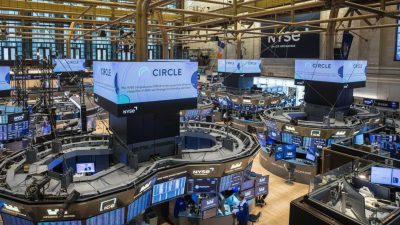
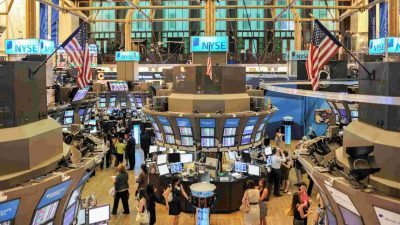
The floor hosts Designated Market Makers (DMMs). While servers in Mahwah handle high-speed trading, human DMMs act as a safety net during extreme volatility, manually intervening to prevent flash crashes and ensure stable price discovery.
What is the “Penny Stock” rule for 2026?
The NYSE has accelerated its delisting process to maintain market quality. Stocks trading below $0.25 face immediate removal, protecting investors from “zombie companies” that no longer meet the Big Board’s strict financial standards.
Disclaimer: Investing involves risk. This content is for educational purposes only and does not constitute financial advice.