
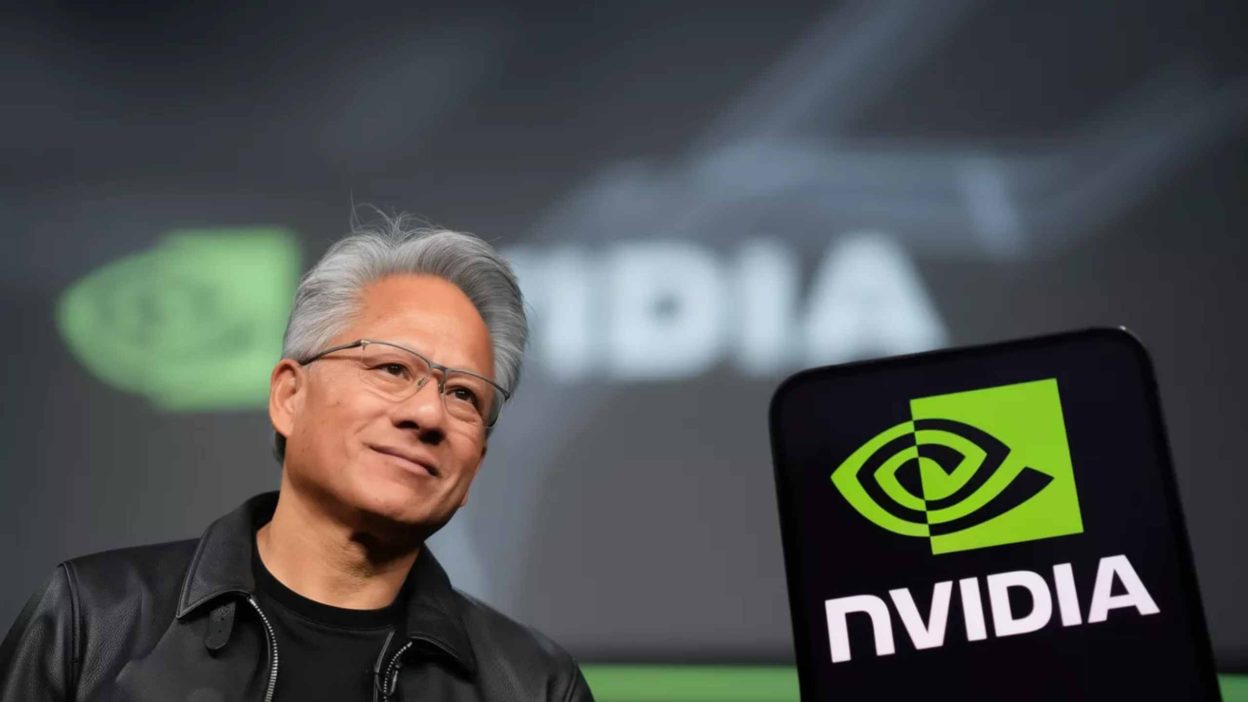
Nvidia says it does not require upfront payment for its H200 artificial intelligence chips, pushing back against recent reports that suggested Chinese buyers had to prepay in full before receiving the products. The clarification comes amid ongoing uncertainty over regulatory approval for advanced U.S.-made AI chips in China.
A company spokesperson told Reuters that Nvidia would never ask customers to pay for products they haven’t received, countering earlier claims about particularly strict terms around H200 transactions in the Chinese market.
What Nvidia Actually Said
Nvidia made its statement after reports emerged that Chinese technology firms were being asked to make full upfront payments for H200 chips, a policy that would shift financial risk onto buyers if regulators ultimately blocked imports.
The company confirmed it does not require such prepayment, noting that standard terms have sometimes involved advance deposits but not full payment before delivery.
Nvidia’s stance aims to reassure customers and markets about its commercial practices at a time of heightened geopolitical and regulatory complexity in the semiconductor sector.
Why This Matters in China and Globally
1. Regulatory Uncertainty in China
Beijing has been cautious in approving imports of advanced U.S. AI chips like the H200, reflecting broader tech tensions and goals of domestic chip self-reliance. Exports of some advanced AI products remain subject to licensing uncertainty.
2. Investor and Market Confidence
Clarifying payment terms could reassure tech firms and investors that Nvidia’s commercial relationships are stable even amid external noise about export restrictions or policy shifts.
3. China’s AI Chip Demand
Despite geopolitical tensions, demand for Nvidia’s high-performance AI chips remains strong as Chinese cloud and AI players seek cutting-edge computing capacity, though they must navigate both regulatory and pricing risks.
AI PC chips launch: AMD Unveils New Processors for On‑Device and Data‑Center AI
Industry and Competitive Context
Nvidia’s clarification arrives amid broader industry developments:
Reports had indicated Chinese tech companies might pay full upfront for H200 chips, raising questions about demand elasticity under regulatory pressure.
Analysts say China still aims to expand domestic AI chip capabilities, adding competitive pressure on foreign suppliers.
Nvidia’s next-generation AI chip platforms, like Rubin, also aim to reduce costs and expand computing applications globally.
Why It Matters to Americans
Global Tech Competition
Nvidia’s clarification underscored how U.S. semiconductor companies must balance commercial strategy with geopolitical risk, especially in large markets like China.
Investment and Valuation Signals
Clear and disciplined communication about terms may help stabilize investor sentiment around Nvidia shares, a major component of tech and AI growth narratives.
Supply Chain and Policy
As Washington and Beijing navigate AI tech trade, such commercial clarifications reflect broader U.S.–China trade dynamics, where policy, market access, and technology leadership intersect.
Nvidia has formally stated that it does not require upfront payment for H200 AI chips, pushing back on earlier claims about strict prepayment policies for Chinese buyers. The clarification comes amid ongoing regulatory uncertainty in China and reflects Nvidia’s effort to reassure customers and markets.
Frequently Asked Questions
What did Nvidia clarify about H200 payments?
Nvidia stated that it does not require full upfront payment for its H200 AI chips.
Why were upfront payment reports concerning?
Such terms could have shifted financial risk to buyers if shipments were blocked by regulatory approvals.
Does this affect Nvidia’s sales in China?
The clarification may reassure customers, but actual shipments still depend on regulatory approval.
What are H200 chips used for?
They are advanced AI data-center chips designed for machine learning training and high-performance computing.
Is Nvidia still selling H200 chips globally?
Yes, the clarification applies to payment terms, but broader export policies and approvals will determine global availability.
Nvidia says it “would never require customers to pay for products they don’t receive,” clarifying that it does not mandate upfront payment for H200 AI chips, countering earlier claims about strict prepayment requirements amid Chinese regulatory uncertainty.