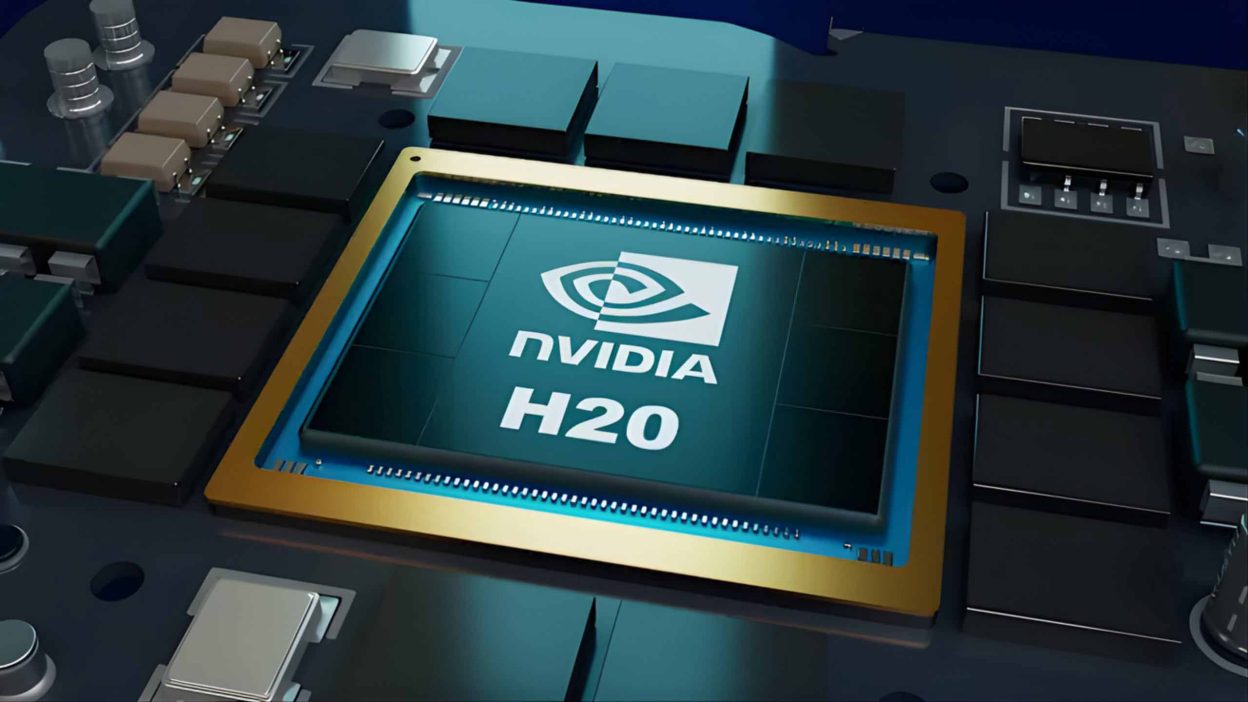
Nvidia has introduced a strict upfront payment policy for its powerful H200 artificial intelligence (AI) chips sold to customers in China, requiring full payment at the time of order with no option to cancel, seek refunds, or change configurations later.
This unusual step comes amid ongoing regulatory uncertainty over whether Beijing will approve imports of the high-end chips, which are in strong demand from Chinese technology companies.
For U.S. tech investors and companies watching global AI supply chains, Nvidia’s move underscores how geopolitical and regulatory conditions are increasingly influencing hardware sales strategies.
Why This Is Happening
Nvidia’s new payment terms appear designed to protect revenue and minimize financial risk in a market where regulatory approval is not yet certain. Under the policy, Chinese customers must pay the full order amount up front with no ability to cancel or seek refunds.
In special cases, buyers may provide commercial insurance or asset collateral instead of cash, but these arrangements are exceptions rather than the rule.
This sharp shift reflects the chipmaker’s efforts to navigate trade tensions and export controls, especially after past disruptions when U.S. and Chinese policies restricted certain chip shipments.
Nvidia Launches Vera Ratubin Next-gen AI platform at CES 2026
What This Means for AI Hardware Sellers
Nvidia’s H200 chips are among its most advanced AI processors, priced around $27,000 each, and Chinese technology firms have placed orders far exceeding current inventory.
The strict payment requirement essentially transfers financial risk from Nvidia to buyers, who must commit funds even before regulatory approval is confirmed.
This move also illustrates how hardware vendors may adjust commercial terms, including payment, delivery, and cancellation policies, when selling sophisticated technology into markets with complex regulatory landscapes.
Current Market Context
| Factor | Current Situation |
|---|---|
| Product in focus | Nvidia H200 AI chips |
| Payment term change | Full upfront payment required |
| Regulatory backdrop | Pending Chinese approval |
| Inventory vs. demand | Orders exceed available chips |
| Competitive pressure | Domestic alternatives lag performance |
Nvidia’s H200 is currently a leading choice for large-scale AI model training, and demand has reportedly exceeded available supply.
Why It Matters to Americans
1. Global Tech Supply Chain Risks
This policy highlights how regulatory risk and geopolitical friction can reshape terms in the global AI hardware market, conditions that U.S. companies and investors must monitor carefully.
2. Financial Risk and Revenue Protection
By requiring full payment upfront, Nvidia aims to protect its cash flow and revenue recognition in uncertain markets, a strategy that may influence how other tech firms approach sales in regulated regions.
3. Influence on Competitors and Customers
Chinese buyers facing stringent terms may reconsider sourcing strategies, potentially speeding interest in domestic or alternative AI chip suppliers, a trend with broader implications for global hardware competition.
Practical Takeaways
Unusual payment terms: Nvidia’s requirement for full upfront payment reflects a protective approach to regulatory uncertainty in China.
Risk transfer: The new policy shifts financial risk onto buyers when regulatory outcomes are unknown.
Wider implications: These terms may influence global pricing, supply strategies, and competitive positioning in the AI chip market.
Nvidia’s upfront payment policy for its H200 AI chips marks a strategic adaptation to regulatory uncertainty and demonstrates how leading technology firms can reshape commercial terms to manage risk. For U.S. and global markets, the move serves as a reminder that hardware sales policies are increasingly intertwined with geopolitical and regulatory dynamics.
Frequently Asked Questions
What does “full upfront payment” mean for H200 chip orders?
It means Chinese customers must pay the full order amount at the time of purchase, with no option to cancel or receive a refund.
Why is Nvidia doing this?
Nvidia is seeking to protect revenue and reduce risk amid uncertainty around regulatory approvals for shipping advanced chips to China.
Are alternative payment options available?
In certain cases, buyers may be allowed to use commercial insurance or asset-based collateral instead of an immediate cash payment.
Does this affect global customers outside China?
No. These payment terms apply specifically to Chinese buyers; customers in other regions continue under standard arrangements.
How does this impact the AI hardware market?
The change may lead buyers to rethink sourcing strategies and could shift competitive dynamics within the global AI chip supply chain.
Nvidia’s upfront payment policy for H200 AI chips requires full payment at the time of order without cancellation or refunds, reflecting the company’s effort to manage regulatory risk and protect revenue amid uncertain Chinese approval.