
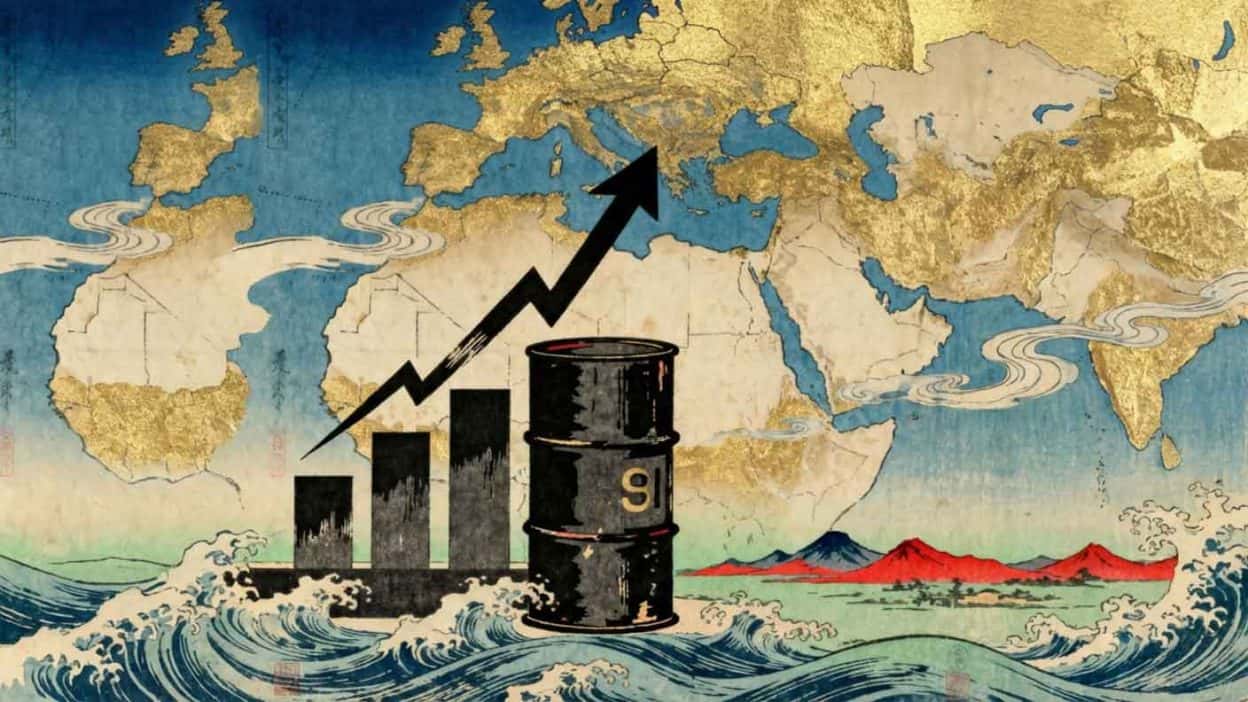
Oil prices are moving higher again, and many Americans are starting to notice the impact. From gas stations to grocery bills, energy costs quietly affect daily life.
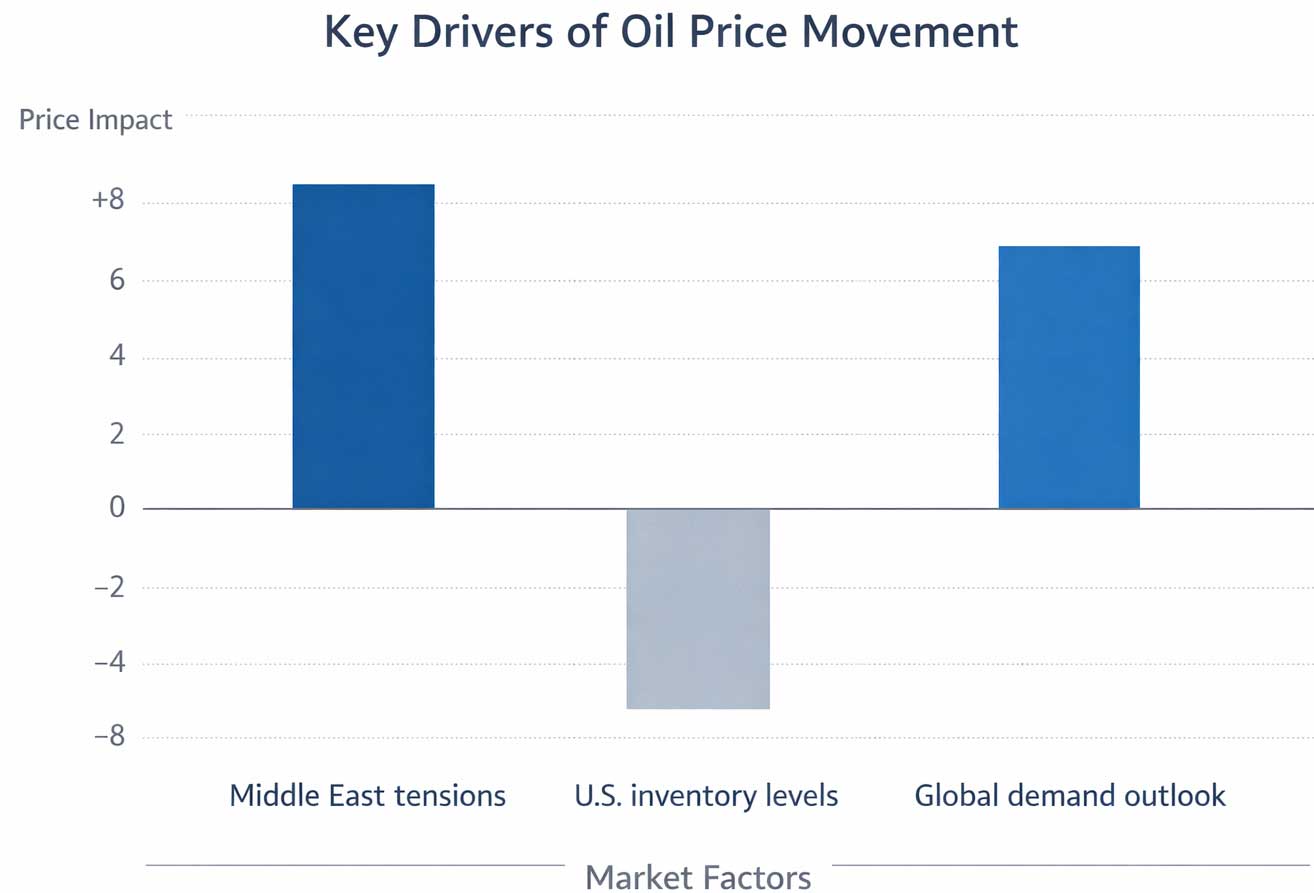
This latest rise is not driven by strong demand alone. Instead, global tensions, especially in the Middle East, are pushing oil markets into cautious territory.
Understanding what’s happening helps U.S. consumers and investors stay prepared, without panic or speculation.
Why Oil Prices Are Rising Now
Oil prices climbed as investors reacted to growing geopolitical risks in the Middle East. Even without immediate supply cuts, markets often price in potential disruptions early.
Key reasons behind the recent rise include:
Rising tension in major oil-producing regions
Risk to shipping routes and energy infrastructure
Cautious trading behavior from global investors
Oil markets are sensitive to uncertainty, and geopolitical headlines often add a “risk premium” to prices.
Current Oil Market Snapshot
| Oil Benchmark | Recent Price Level | Daily Change |
|---|---|---|
| Brent Crude | Around $61 per barrel | Up about 1% |
| WTI Crude | Around $57 per barrel | Up about 1% |
These benchmarks guide global and U.S. energy prices.
Why Middle East Tensions Matter to the U.S.
Even though the U.S. produces large amounts of oil, it is still connected to global markets.
Here’s why overseas events affect American prices:
Oil is traded globally, not locally
Brent crude influences gasoline pricing worldwide
Shipping disruptions can tighten supply quickly
When traders worry about supply risks, prices often rise before any real shortage occurs.
Brent vs. WTI: Understanding the Difference
| Feature | Brent Crude | WTI Crude |
|---|---|---|
| Market Focus | Global | United States |
| Sensitivity to Middle East Events | High | Moderate |
| Impact on U.S. Gas Prices | Indirect but strong | Direct |
Both benchmarks matter, but Brent usually reacts faster to geopolitical events.
What This Means for Gas Prices
Higher crude prices do not always mean instant price hikes at the pump. However, sustained increases often show up within weeks.
Factors that influence gas prices include:
Crude oil trends
Refinery capacity
Seasonal demand
Transportation costs
Short-term volatility can cause uneven price changes across states.
Near-Term Outlook for Oil Prices
Most analysts expect oil prices to remain volatile rather than surge sharply.
Possible scenarios include:
Prices stabilize if tensions ease
Prices climb if supply routes are disrupted
Prices soften if global demand weakens
For now, markets appear cautious rather than overly bullish.
How Everyday Americans Can Respond
You don’t need to trade oil to stay informed.
Smart steps include:
Tracking fuel expenses monthly
Avoiding panic-driven financial decisions
Staying diversified if you invest
Watching long-term trends, not daily headlines
Energy prices fluctuate; preparation matters more than prediction.
Conclusion
Oil prices are rising due to geopolitical uncertainty, not runaway demand. For Americans, this means short-term volatility rather than guaranteed long-term price spikes.
Staying informed helps you plan better, whether you’re filling up your car or managing investments. Calm awareness beats reaction in uncertain markets.
Frequently Asked Questions
Why do oil prices rise during geopolitical tensions?
Markets price in potential supply risks even before disruptions occur.
Will this immediately raise U.S. gas prices?
Not always. Sustained oil price increases matter more than short-term moves.
Is the U.S. still affected despite high oil production?
Yes. Oil is globally priced, and U.S. fuel costs remain connected to world markets.
Is oil expected to spike sharply?
Most forecasts suggest volatility, not extreme price surges.
Which oil price matters more for Americans?
Both Brent and WTI influence U.S. energy costs in different ways.
Content Summary
Oil prices are rising as markets react to Middle East tensions. The impact on U.S. consumers is gradual, not immediate. Staying informed helps manage costs and expectations.