
Safe-Haven Demand Eases After Geopolitical Tensions Calm
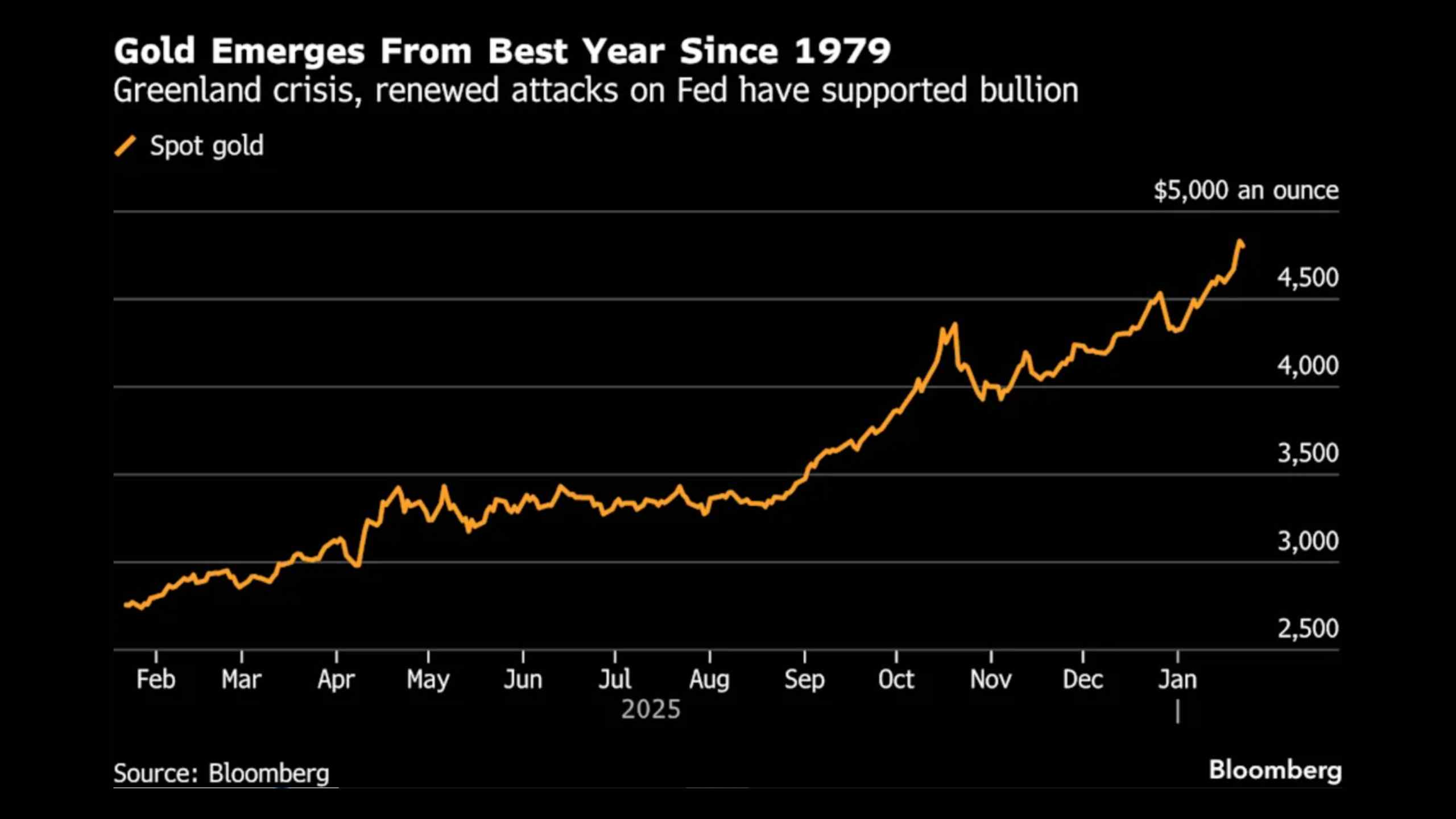
Gold prices fell sharply on January 22, 2026, after U.S. President Donald Trump stepped back from previously threatened tariffs on European nations linked to his dispute over Greenland, reducing safe-haven buying that had pushed bullion to record highs earlier in the week. Spot gold slid as much as 1.1% in early trading, trimming gains after three days of rallying near all-time peaks above $4,880 an ounce.
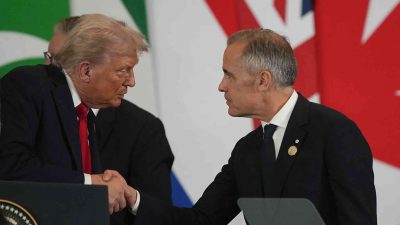
The move came as Trump announced a “framework of a future deal” on Greenland and dropped the tariff threat after meeting with NATO leadership. This shift eased investor concerns about escalating transatlantic tensions and a potential trade conflict.
What Happened to Gold
Record Highs to Pullback
| Metric | Recent Levels |
|---|---|
| Spot Gold | Fell ~0.8%–1.1% after peaking above $4,880/oz |
| U.S. Gold Futures | Also slipped as traders reassessed risk pricing |
| Dollar Index | Strengthened modestly as risk appetite returned |
| Silver, Platinum, Palladium | Also retreated alongside gold |
Gold’s retreat reflects a reversal of earlier risk-off sentiment that had driven prices to successive record levels over the past week. That rally was driven by rising geopolitical uncertainty and tariff threats tied to Trump’s efforts to influence European positions on Greenland, which sent investors into traditional safe havens.
Trump Says Greenland Tariff Threats Won’t Kill Europe Trade Deal
Why Prices Shifted
Easing Geopolitical Fears
Trump’s announcement that tariff threats were being dropped and that a diplomatic “framework” had emerged reduced the perceived need for investors to seek security in gold. As tensions lessened, markets rotated back toward risk-on assets such as equities, and the U.S. dollar firmed, making bullion more expensive for overseas buyers and further pressuring prices.
Safe-Haven Demand Softens
Gold often gains when global risk rises, for example, amid trade disputes, wars, or financial stress, because it’s seen as a hedge. But when geopolitical concerns ease or major risks are perceived to have diminished, demand typically subsides, leading to price pullbacks like the one seen this week.
Near-Term Outlook
• Risk sentiment sensitive: Gold may regain footing if geopolitical tensions flare again or if economic uncertainty rises.
• Macro data matters: U.S. inflation, jobs figures, and Federal Reserve cues could influence safe-haven flows and bullion pricing.
• Market breadth: Other precious metals follow gold’s cues; silver, platinum, and palladium also showed softer trading alongside gold.
Practical Takeaways
• Gold prices eased after Trump backed off tariff threats tied to Greenland negotiations.
• The rollback of geopolitical risk reduced safe-haven buying and strengthened the U.S. dollar.
• Earlier in the week, gold had climbed to record levels as tensions spiked.
• Investors are watching economic indicators and geopolitical headlines for future bullion direction.
Conclusion
Gold’s recent pullback reflects how rapid shifts in geopolitical risk perception can swing market sentiment. After climbing to record highs amid tariff threats and political standoffs, the precious metal eased as those risks receded when President Trump backed away from tariffs and hinted at a diplomatic resolution. While gold remains elevated compared with past history, its near-term direction will likely hinge on evolving geopolitical events and broader economic signals.
Frequently Asked Questions
Why did gold rise earlier this week?
Gold surged to record levels as geopolitical tensions and tariff fears linked to Greenland negotiations increased safe-haven demand.
What caused the recent sell-off?
Prices pulled back after President Trump withdrew tariff threats and signaled a “framework” deal on Greenland, easing market anxiety.
How does the dollar influence gold?
A stronger U.S. dollar makes dollar-priced gold more expensive for foreign buyers, which can weigh on prices.
Could gold rise again?
Yes. A resurgence of geopolitical risks or broader economic uncertainty could revive safe-haven demand and lift gold prices.
Are other metals affected?
Yes. Silver, platinum, and palladium also eased as risk sentiment improved and investors moved away from safe-haven assets.