

Bitcoin dropped below the $65,000 level, a price point many investors had been closely watching. After months of strong gains and renewed interest in crypto assets, this pullback highlights how quickly sentiment can shift in digital asset markets.
For everyday Americans, especially those following crypto through ETFs, exchanges, or retirement accounts, sudden price moves can raise important questions. Here’s what happened and what it means in the broader financial context.
Why Is This Happening
Bitcoin’s decline below $65,000 appears to be driven by a mix of market forces rather than a single event. Reports indicate:
Profit-taking after recent gains
Broader risk-off sentiment in financial markets
Movements in Treasury yields and the U.S. dollar
Continued volatility across global equities
Crypto markets often move sharply when investor risk appetite changes. When stocks pull back or bond yields rise, speculative assets like Bitcoin can see increased selling pressure.
It is important to note that intraday crypto prices can move rapidly. Exact price levels may change quickly.
Current Market Snapshot
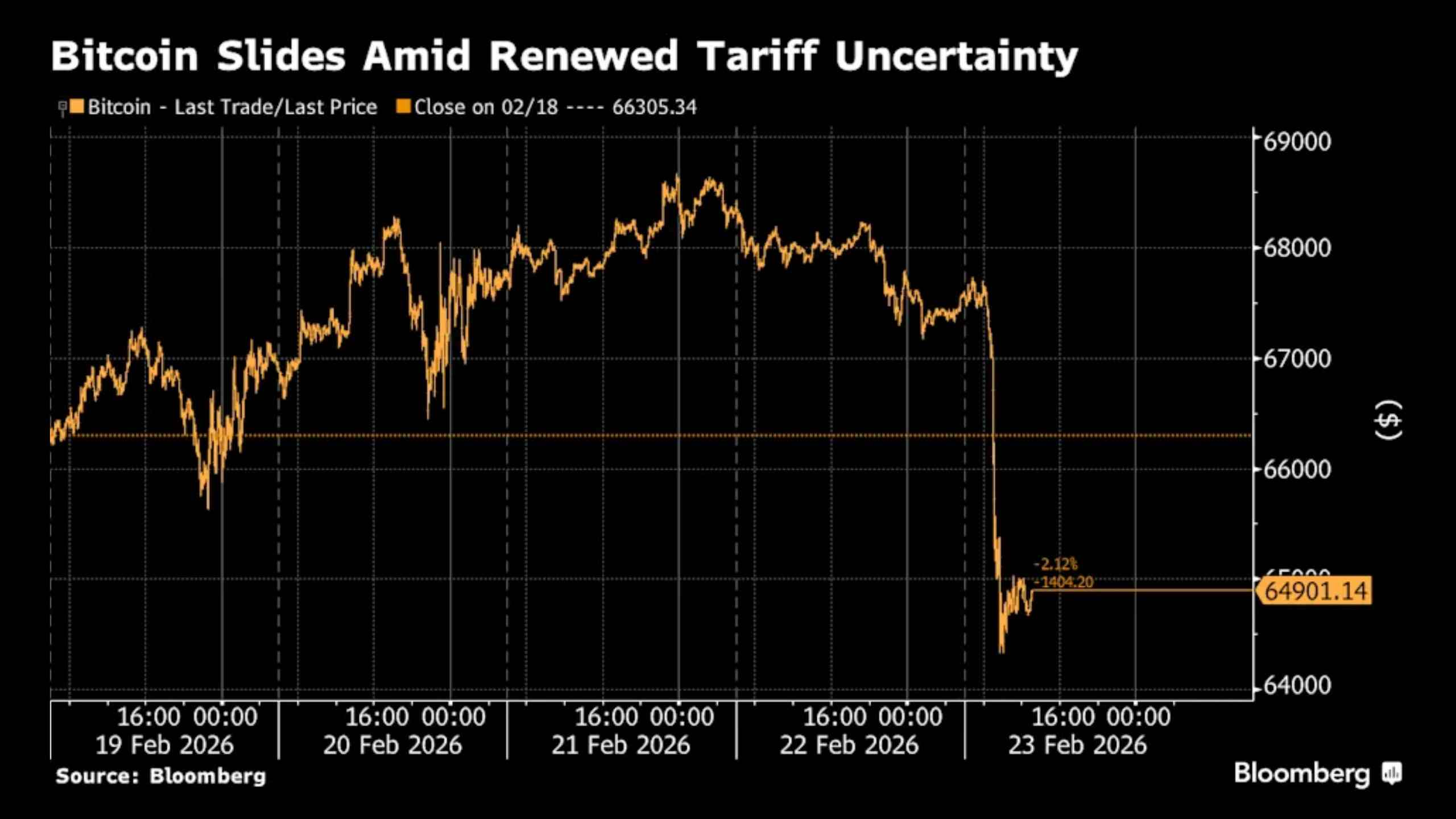
At the time of reporting:
| Market Indicator | Status | Context |
|---|---|---|
| Bitcoin | Below $65,000 | Psychological price level broken |
| Ethereum | Lower alongside Bitcoin | Broader crypto pullback |
| U.S. Dollar | Firm | A stronger dollar can pressure crypto |
| Treasury Yields | Elevated | Higher yields can reduce demand for risk assets |
Price levels reflect market reporting at the time of publication and may fluctuate throughout the trading session.
Why It Matters to Americans
Bitcoin’s movements affect more than just crypto traders.
Many Americans now have exposure through:
Spot Bitcoin ETFs
Retirement accounts
Fintech trading platforms
Public companies with crypto holdings
When Bitcoin drops below a key level like $65,000, it can:
Trigger automated trading activity
Influence broader crypto sentiment
Affect ETF inflows and outflows
Increase short-term volatility
Crypto markets remain smaller than traditional U.S. equity markets, but their influence has grown significantly over the past several years.
Key Comparison: Bitcoin vs. Traditional Assets During Volatility
| Asset | Typical Reaction During Risk-Off Periods | Volatility Level |
|---|---|---|
| Bitcoin | Often declines sharply | Very high |
| U.S. Stocks | Moderate declines | Moderate to high |
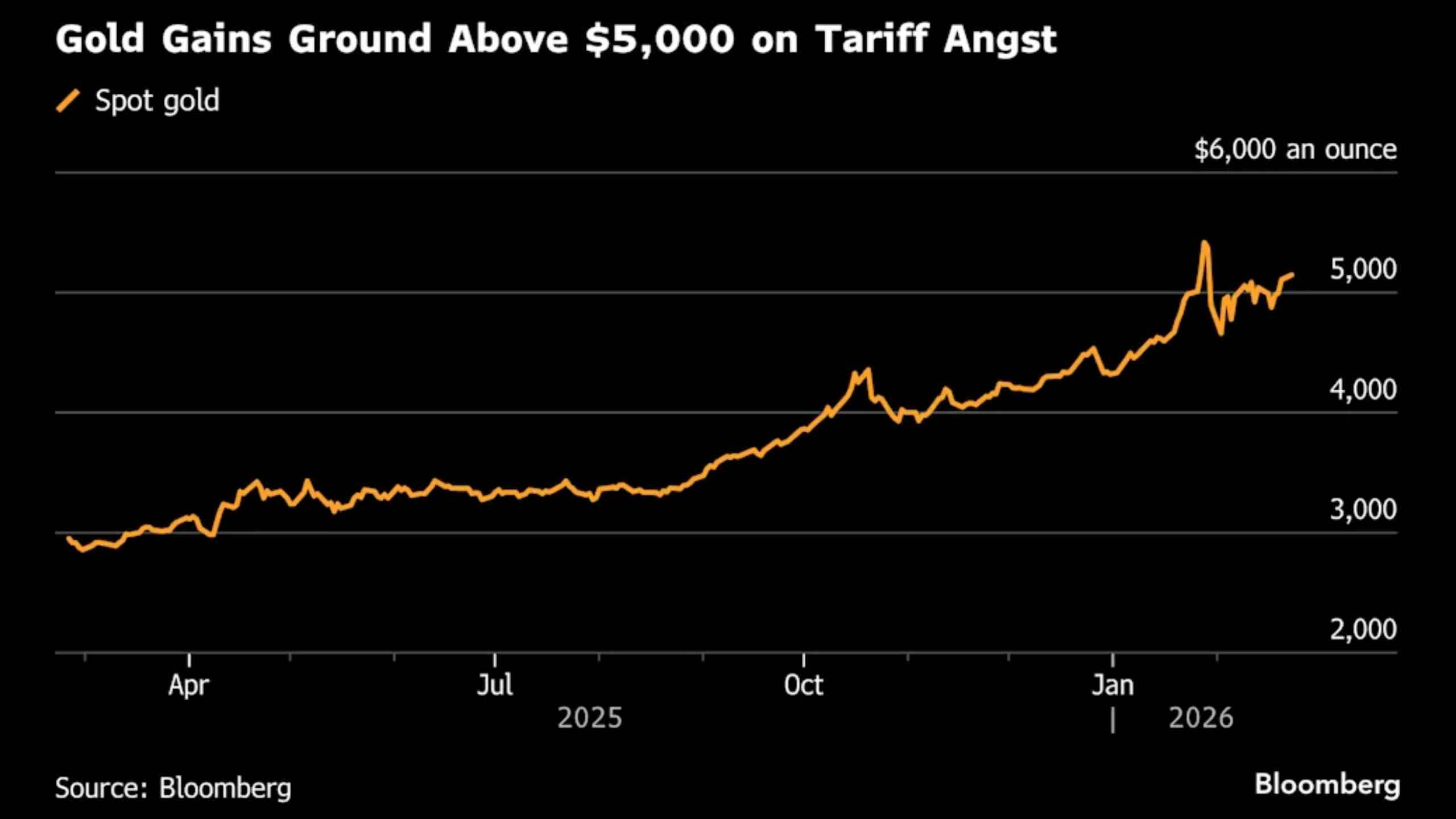
| Gold | May rise | Moderate |
| U.S. Treasuries | Often gain | Lower relative volatility |
Bitcoin does not always follow traditional safe-haven patterns. Its behavior can vary depending on liquidity conditions and investor sentiment.
Near-Term Outlook (Informational Only)
Bitcoin’s direction will likely depend on:
Broader market stability
Federal Reserve interest rate expectations
ETF demand flows
Regulatory developments
Global liquidity conditions
It is not possible to determine whether this move represents a short-term correction or a longer trend. Crypto markets are known for rapid reversals.
Practical Takeaways (Educational)
Bitcoin remains a highly volatile asset.
Breaking major price levels can trigger short-term market reactions.
Crypto often responds to broader financial conditions, not just crypto-specific news.
Price swings are common and can occur within hours.
Understanding the broader context helps explain sudden moves.
Conclusion
Bitcoin’s drop below $65,000 highlights how sensitive digital assets remain to shifts in investor sentiment and macroeconomic signals. While the cryptocurrency has experienced strong gains in recent months, pullbacks are part of its historical pattern.
Market movements reflect changing risk appetite and liquidity conditions. As always, price levels can change quickly in the crypto space.
Frequently Asked Questions
Why is $65,000 important for Bitcoin?
It is considered a psychological price level where traders often place significant buy or sell orders, which can increase volatility around that range.
Does this mean a crypto crash is starting?
There is no confirmation of a broader trend. Cryptocurrency markets frequently experience sharp corrections without necessarily signaling a prolonged downturn.
How do interest rates affect Bitcoin?
Higher interest rates can reduce demand for speculative assets like Bitcoin, as safer income-generating investments may become more attractive to investors.
Do Bitcoin ETFs move with the price?
Yes, spot Bitcoin ETFs are designed to closely track the market price of Bitcoin, though minor tracking differences can occur due to fees and market conditions.
Is Bitcoin more volatile than stocks?
Historically, Bitcoin has experienced significantly larger price swings compared to major U.S. stock indexes, reflecting its relatively young and speculative market structure.