
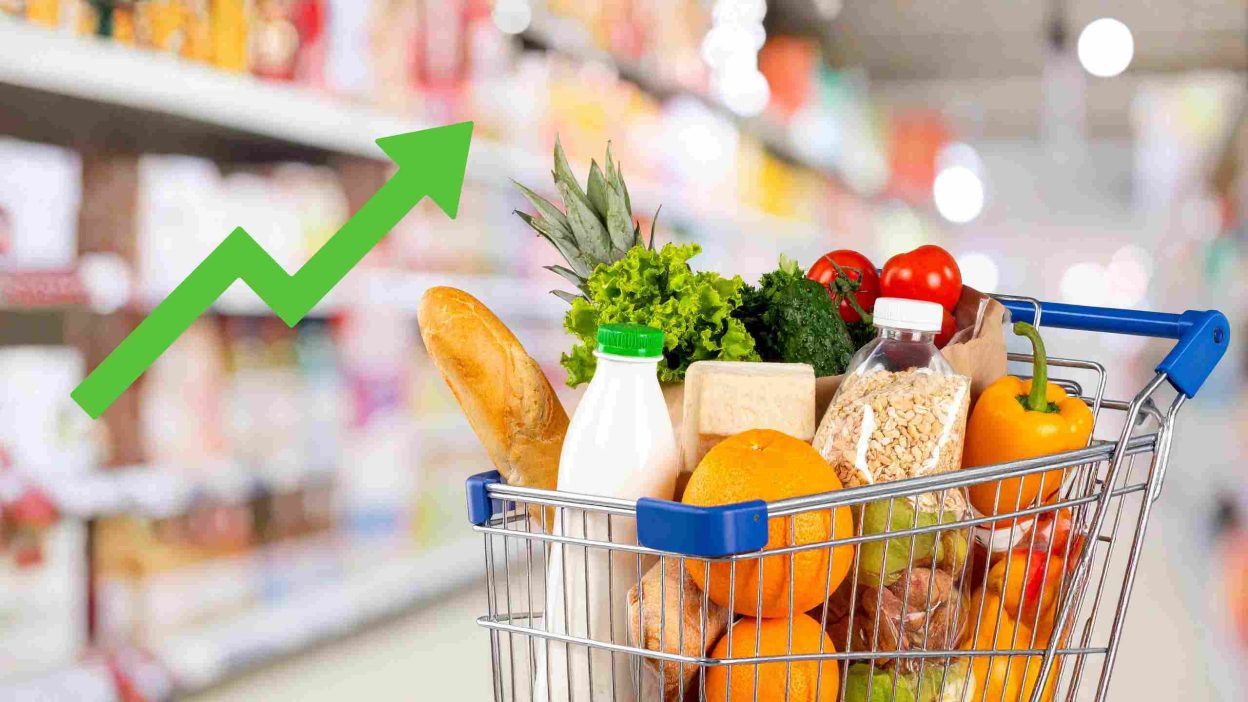
If you have noticed your total at the supermarket checkout creeping up lately, you are not alone. New government data shows that U.S. grocery prices saw a notable increase in April, marking the highest year-over-year inflation rate for food at home since late 2023.
While many factors influence the cost of living, several specific global and domestic events are currently coming together to impact the price of staples like meat, produce, and coffee.
The Numbers: What Changed in April?
According to the Labor Department’s latest Consumer Price Index (CPI) report, prices for food eaten at home rose 2.9% compared to April of last year. When you include restaurants and prepared meals, the overall food inflation rate sits at 3.2%.
To put this in perspective, the average annual increase for groceries over the last 20 years has been around 2.6%. The current spike is slightly above that long-term trend, driven largely by specific categories:
Meat: Prices rose by 8.8% year-over-year.
Fresh Fruits & Vegetables: Prices increased by 6.5%.
Coffee: Costs jumped by 18.5%, largely due to global weather patterns.
Why Are Prices Going Up?
It is easy to point to a single cause, but economists suggest a combination of factors is at play.
1. Energy and Transportation Costs
Fuel prices have seen a significant increase recently. Because nearly 83% of U.S. agricultural products are moved by trucks, higher diesel costs lead to “fuel surcharges” from vendors. These costs eventually make their way to the retail shelf.
2. Global Conflicts
Ongoing instability in the Middle East, specifically affecting shipping routes like the Strait of Hormuz, has complicated the global supply chain. This impacts not just oil, but also materials like fertilizer and plastic packaging derivatives.
3. Weather and Trade Policies
Local factors also play a role. Droughts in the western U.S. have affected beef production, while specific import duties on goods like tomatoes have contributed to a 40% price hike for that specific item over the last year.
The Silver Lining: What’s Getting Cheaper?
It isn’t all bad news for your budget. Some essential items have actually seen a price decrease:
Eggs: Prices fell by 39% as poultry farms recovered from previous bird flu outbreaks.
Butter: Costs are down about 5.8%.
Dairy: Milk and chicken prices remained relatively flat or saw slight dips.
What This Means for You
Economists from Purdue University note that it often takes three to six months for changes in production and energy costs to fully reflect in grocery store prices. This means the impact of current global energy shocks may not be fully visible until the summer months.
Understanding these trends can help you plan your household budget more effectively by leaning toward items with stable prices while being mindful of the categories currently experiencing volatility.