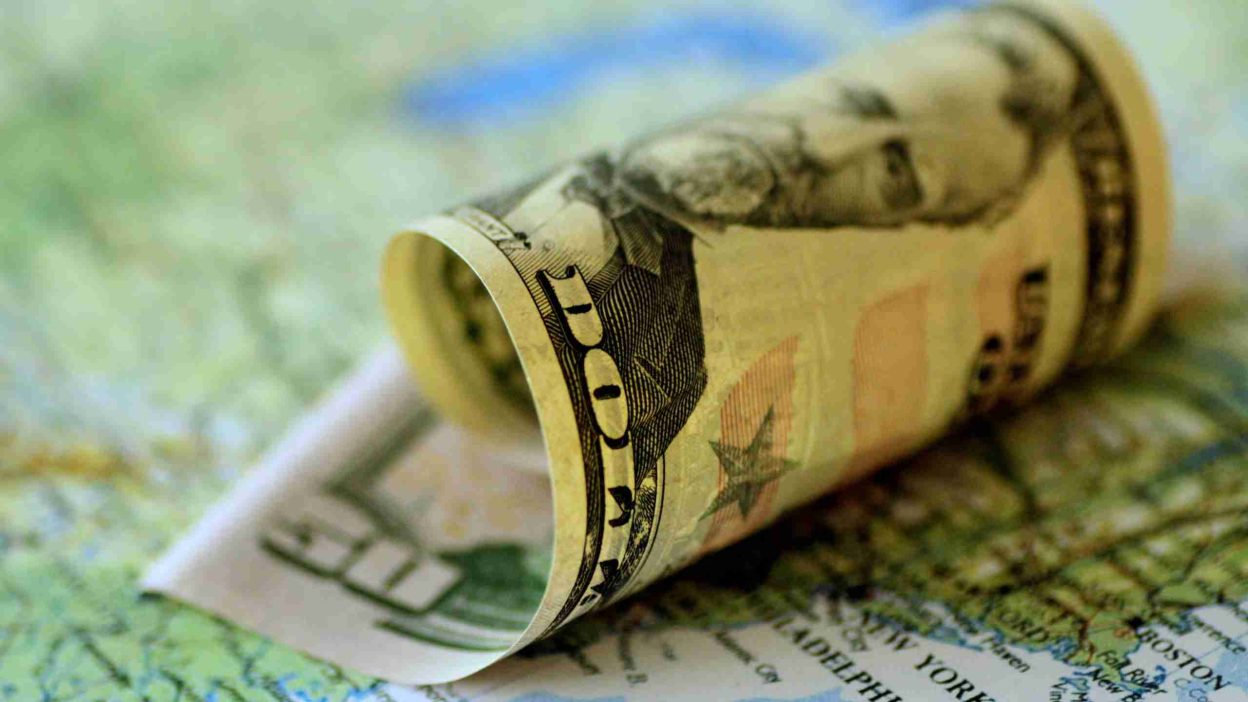
The White House continues to say that it supports a strong U.S. dollar and values the dollar’s role in the global financial system. Despite that official stance, currency markets have not responded with a sustained rally in the dollar’s value. Investors seem reluctant to fully embrace the strong-dollar message.
In 2025 the U.S. dollar experienced its largest annual decline in about eight years. Even though there has been a modest rebound more recently, the dollar remains below where it began the year.
Previously, Trump’s embrace of a weaker dollar helped explain why the U.S. currency has been under pressure and why investors remain cautious about its direction.
What the White House Is Saying
Official Support for the U.S. Dollar
Officials in the U.S. government have reaffirmed support for a strong dollar — one that holds its value relative to other major global currencies. The strong dollar has traditionally helped keep inflation in check, support consumer purchasing power, and reinforce the United States’ role in global finance.
Despite the rhetoric, policymakers and some analysts acknowledge that recent policy uncertainty, including trade disputes and tariff announcements, has clouded investor confidence about the dollar’s near-term strength.
What Investors Are Doing
Currency Market Response
Even with strong-dollar talk from the White House, the dollar’s performance has been mixed. The dollar index remains lower than at the start of the year after suffering a significant drop in 2025. This continued softness suggests that traders are hesitant to commit to dollar strength.
Foreign exchange strategists at major firms such as Goldman Sachs have pointed out that policy unpredictability, including tariff threats and unclear monetary policy direction. may be keeping the dollar from regaining lost ground.
Shifts to Other Currencies and Assets
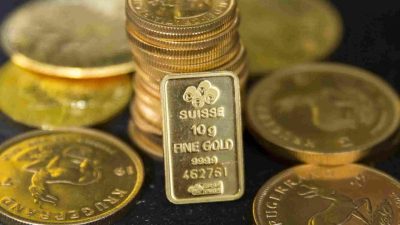
Some investors looking for hedges against currency uncertainty are shifting capital into other currencies such as the euro or the Swiss franc. Others are moving toward assets like gold, which has risen sharply as traders seek alternatives to the dollar in times of risk and uncertainty.
Why the Dollar Matters to Markets
Reserve Currency Status
For decades the U.S. dollar has been the dominant global reserve currency. Central banks around the world hold large amounts of dollar-denominated assets such as Treasury securities. This has helped the United States borrow at relatively low cost and maintain deep, liquid financial markets.
Impact on Trade and Inflation
A stronger dollar generally makes imports cheaper for American consumers because it takes fewer dollars to buy foreign goods. This can help reduce inflationary pressures on goods priced in foreign currencies.
On the other hand, a strong dollar can make U.S. exports more expensive for buyers overseas, which can reduce demand for American-made goods. This dynamic is often part of broader trade considerations policymakers balance when discussing currency strength.
Why Investors Are Cautious
Policy Uncertainty
Tariff threats and shifting trade policies have created a backdrop of uncertainty that may be outweighing official strong-dollar statements for some market participants. Investors often react more to perceived risks than to policy statements alone.
Monetary Policy Speculation
Expectations regarding U.S. monetary policy, especially speculation about interest rate changes under new Federal Reserve leadership, can influence the dollar’s appeal. If markets expect lower interest rates, the dollar can be less attractive relative to other currencies with higher yields.
Why This Matters to Americans
Consumer Prices and Purchasing Power
The dollar’s strength affects the cost of imported goods such as electronics, clothing, and food. A weaker dollar can make imports more expensive, contributing to higher prices for U.S. consumers. A stronger dollar can help moderate inflation on imported products.
Financial Investments
International investors consider currency trends when deciding where to allocate capital. If confidence in the dollar is weak, foreign investment flows into U.S. assets can slow, potentially affecting equity and bond markets.
Bottom Line
Even though the White House says it supports a strong U.S. dollar, investors have remained cautious. The dollar experienced a large decline in 2025 and has not fully recovered despite recent policy statements. Markets are responding to broader factors such as policy uncertainty, expectations about interest rates, and global economic shifts. These dynamics highlight that currency values are shaped by many forces beyond official rhetoric.
Frequently Asked Questions
Why does the U.S. government want a strong dollar?
A strong dollar helps keep import prices low and supports the U.S. dollar’s role as the global reserve currency, which in turn aids trade and financial stability.
Why do investors seem unconvinced?
Investors remain cautious due to policy uncertainty, tariff threats, and speculation about future interest rate changes, all of which can affect confidence in the dollar.
What is the dollar index?
The dollar index measures the value of the U.S. dollar against a basket of major currencies and serves as a key gauge of its international strength.
Can the dollar’s status change?
While the U.S. dollar remains the dominant global reserve currency, its role can evolve over time depending on global economic shifts and investor preferences.
The White House reiterates support for a strong U.S. dollar, but currency markets have not fully responded. Continued policy uncertainty, tariff threats, and investor hesitation have kept the dollar from regaining significant ground.