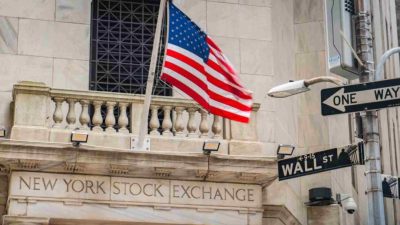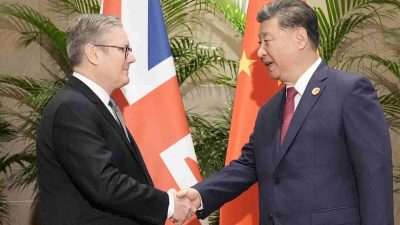
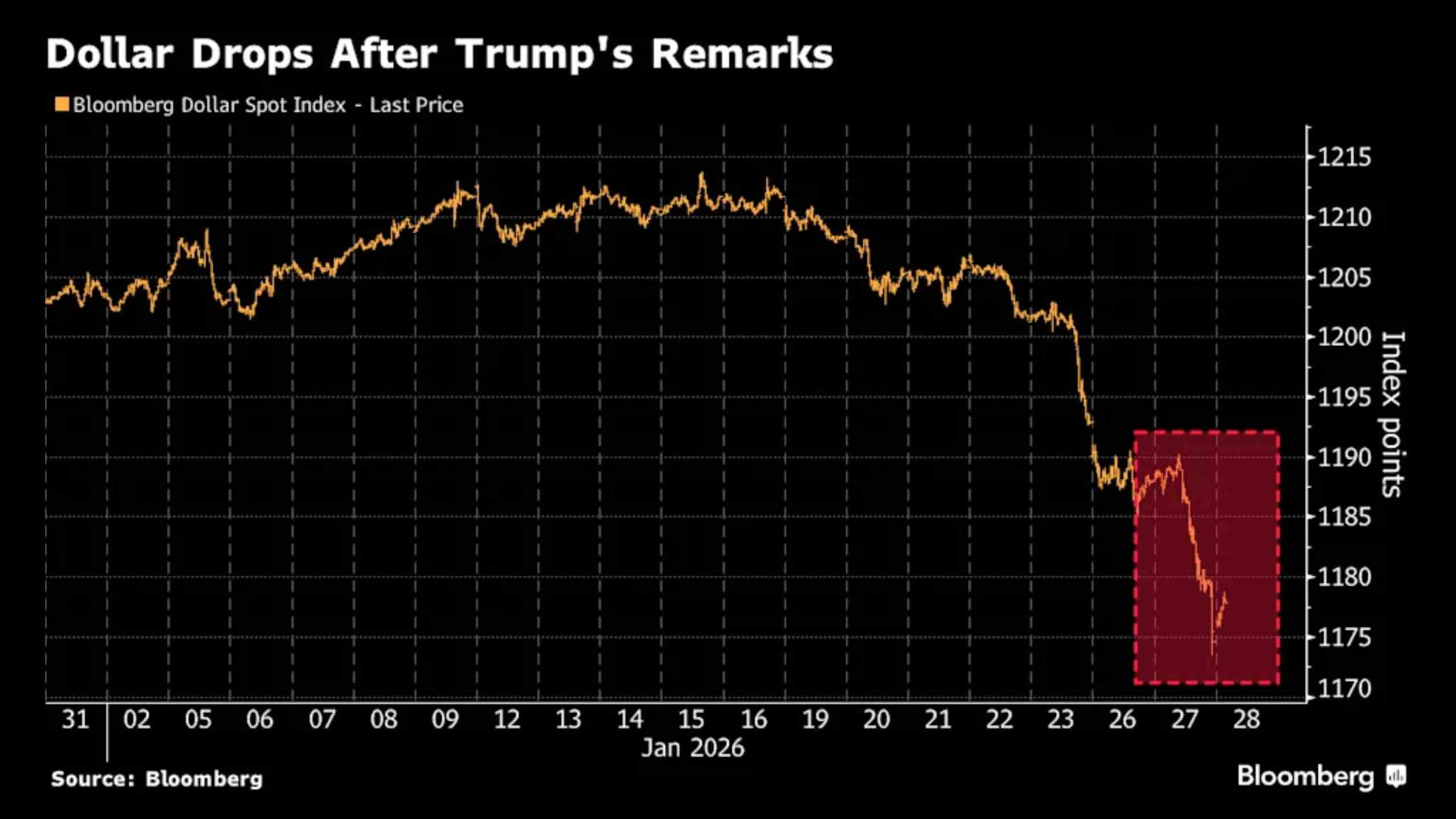
The U.S. dollar has recently hit its lowest levels in nearly four years. This move came after President Donald Trump publicly downplayed concerns about the decline and appeared to embrace a weaker currency.
For many Americans, changes in the dollar’s value can affect everyday costs like imports, travel, and savings.
Why Is the Dollar Weakening?
President Trump’s Comments
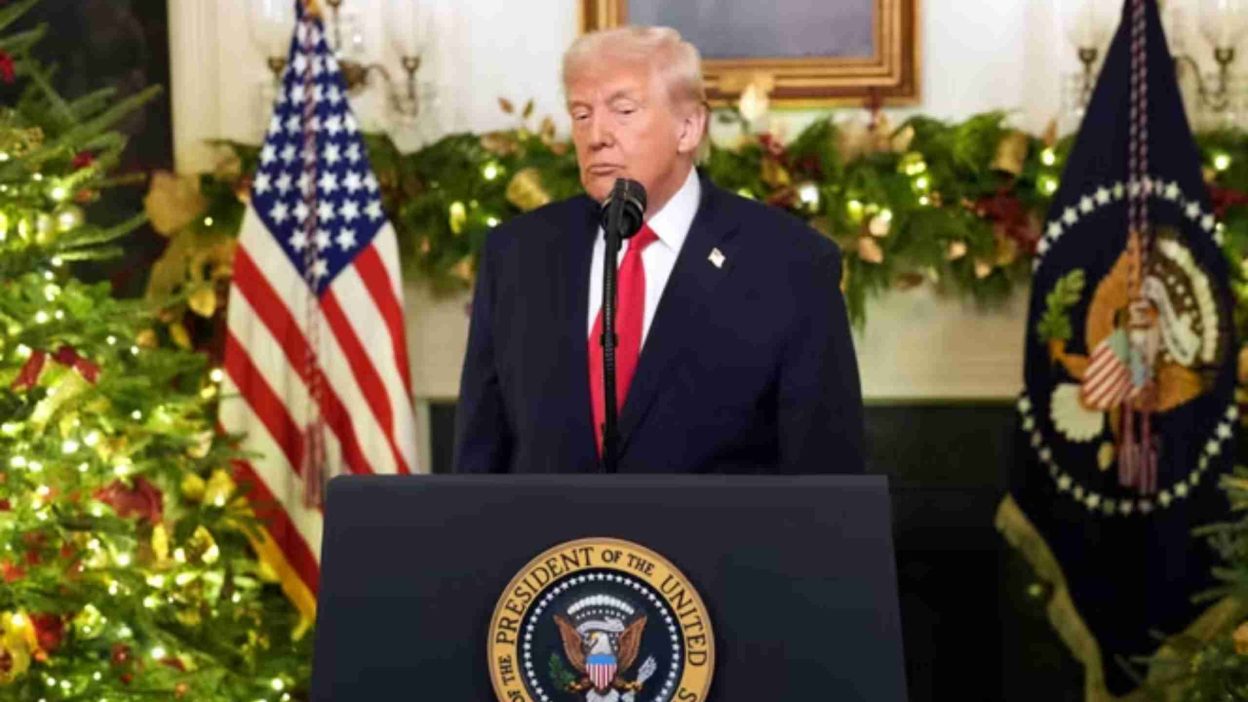
President Trump said he was not worried about the dollar’s decline and remarked that its recent value was “great,” even as the U.S. dollar index slid to a four-year low. Traders interpreted his comments as a sign that the administration may tolerate or even encourage a weaker dollar.
Market Reaction
Following Trump’s remarks, the dollar fell sharply and saw heavier selling across global currency markets. Major currencies such as the euro, British pound, and Japanese yen strengthened against the dollar.
Current Market Snapshot
| Indicator | Recent Change |
|---|---|
| USD Index (DXY) | Near 4-year low |
| Euro vs USD | Broke above $1.20 level |
| Pound vs USD | Surged toward multi-year highs |
| Yen vs USD | Strengthened after intervention talks |
Data reflects recent currency market moves following political remarks and broader economic uncertainty.
Learn about Gold Breaks New Milestone, Surpasses $5,000 per Ounce for the Second Consecutive Day
Why It Matters to Americans
Everyday Costs
A weaker dollar makes foreign goods more expensive for U.S. consumers. That can raise prices on imports like electronics, clothing, and travel spending.
Exports and Trade
Some economists say a cheaper dollar could make U.S. goods more attractive overseas because American products cost less in foreign markets. However, this effect is complex and depends on global demand.
Investor Confidence
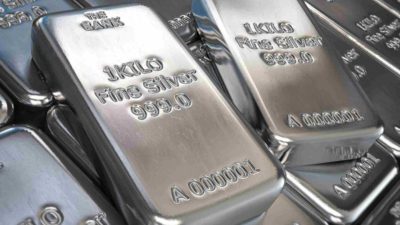
Steady shifts in the dollar can influence financial markets. If confidence drops, global investors may seek alternatives such as gold, which has surged as a safe-haven asset amid uncertainty.
Federal Reserve and Policy
Uncertainty around central bank leadership and monetary policy also plays a role. Markets often factor in expectations about interest rates and inflation when valuing currencies.
Near-Term Outlook
Economists are watching how currency markets adjust as political rhetoric, tariffs, and Federal Reserve policies evolve. A weaker dollar could continue if global demand shifts or if U.S. monetary policy stays accommodative.
This information is purely descriptive and does not predict future currency movements.
Practical Takeaways
The U.S. dollar’s value influences import prices, travel costs, and investment flows.
Currency changes often reflect both economic fundamentals and political signals.
Exchange rates shift constantly as markets incorporate new information about policy and global trends.
Bottom Line
The recent drop in the U.S. dollar has been influenced by political remarks and global market reactions. For everyday Americans, the effects may show up in costs for imported goods, travel, and the broader economy. While some see potential advantages for exporters, the broader impact depends on complex global economic forces.
Frequently Asked Questions
Why did the U.S. dollar decline recently?
The dollar weakened after President Trump signaled comfort with a lower value,
which markets interpreted as tolerance for further declines.
How does a weaker dollar affect import prices?
A lower dollar makes foreign goods more expensive in U.S. dollars,
potentially raising prices for American consumers.
Can a weak dollar help U.S. exports?
In theory, a weaker dollar can make U.S. products more price-competitive overseas,
although global demand and other economic factors also influence export performance.
Is this dollar trend unusual?
The U.S. dollar regularly fluctuates, but recent moves toward four-year lows
reflect an atypical shift influenced by political and economic signals.
What is the U.S. dollar index?
The U.S. dollar index (DXY) tracks the greenback’s value against a basket of
major global currencies, providing a benchmark for its relative strength.
Does this change affect inflation?
A weaker dollar can raise import costs, which may contribute to higher overall
price levels, though inflation depends on multiple factors beyond currency movements.
The U.S. dollar has weakened to near four-year lows after President Trump suggested he is comfortable with its decline. Markets reacted by selling the dollar and boosting other major currencies. This change impacts costs for imports and reflects broader economic uncertainty.