
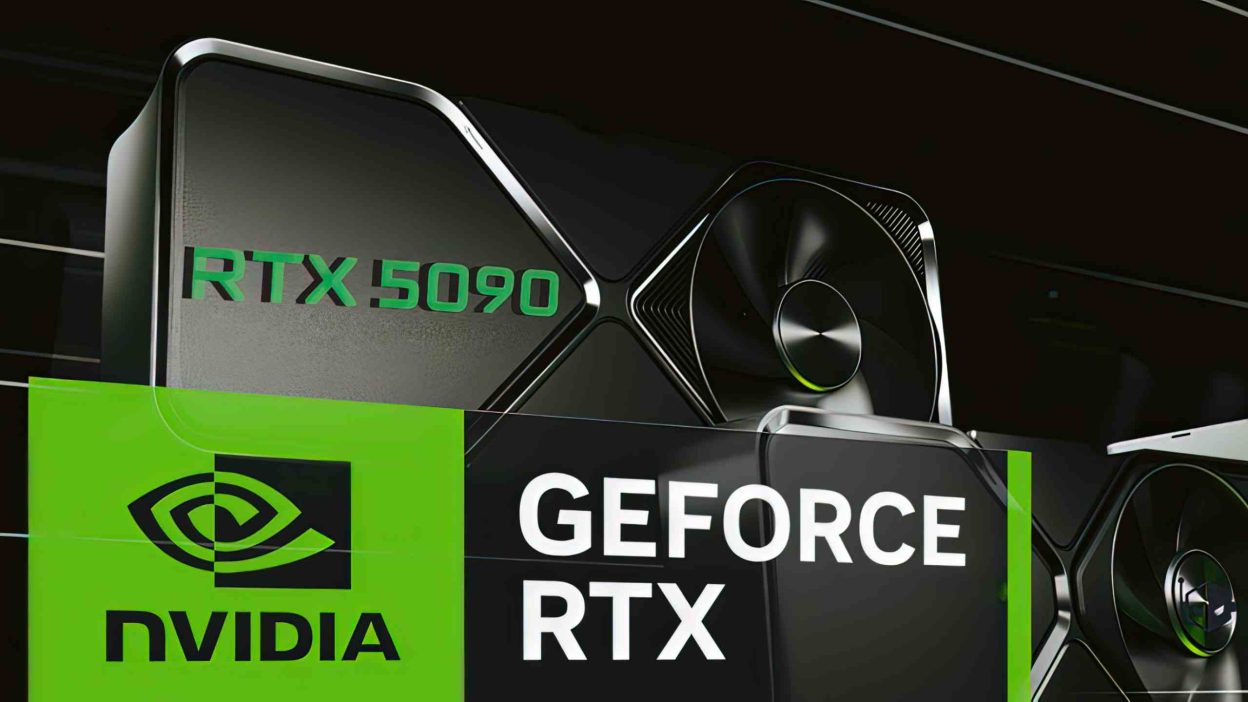
NVIDIA’s GeForce GPUs are the cornerstone of high-end gaming graphics and AI processing. These powerful graphics cards are not just for gaming; they are reshaping the way we interact with technology, powering everything from real-time ray tracing in games to AI-driven research in data centers.
In this blog, we’ll delve into the evolution of GeForce GPUs, their role in AI, and how NVIDIA is shaping the future of gaming, cloud computing, and artificial intelligence.
1. The Evolution of GeForce GPUs
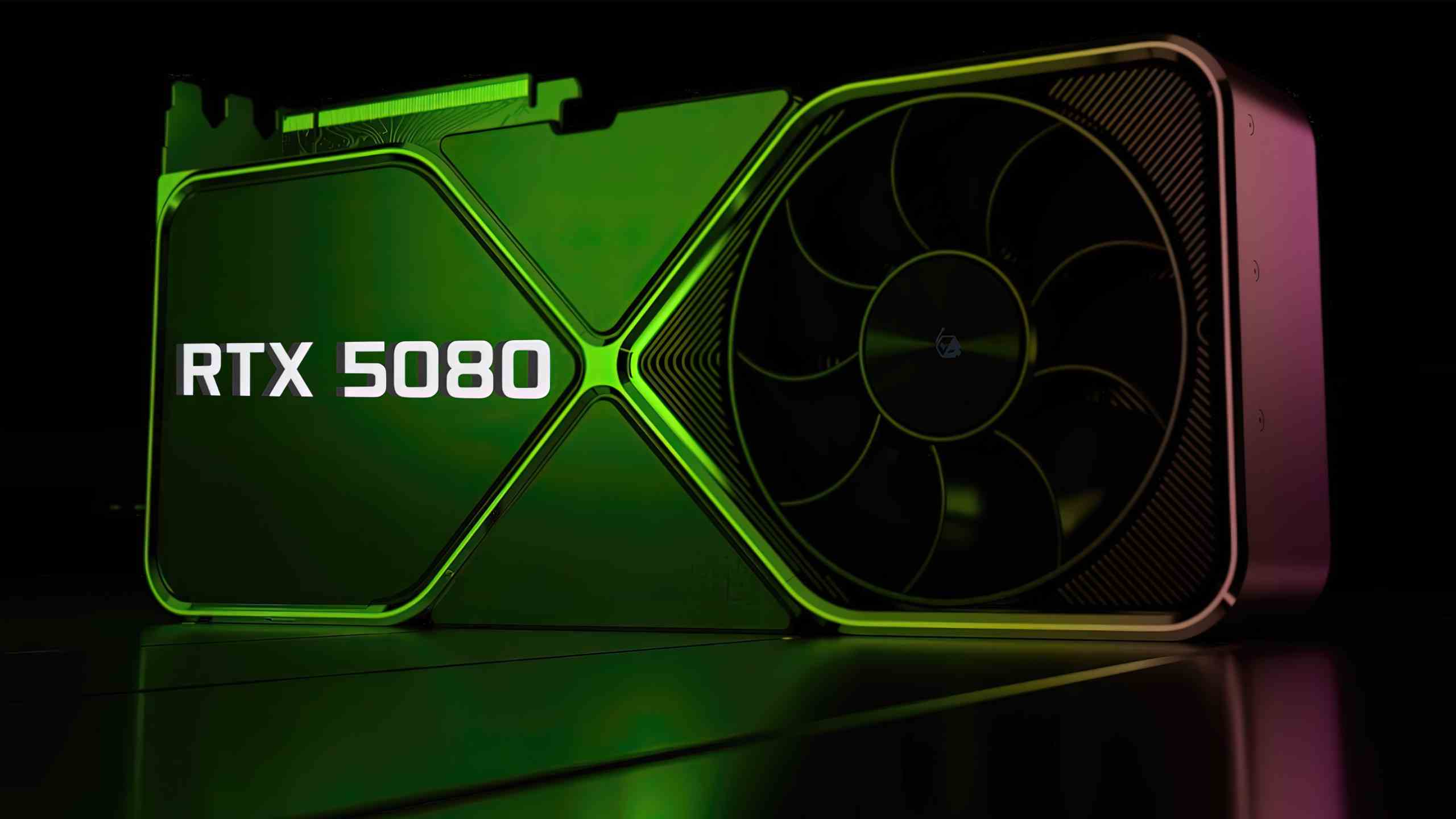
From GeForce to RTX
NVIDIA’s journey began with the launch of the GeForce 256 in 1999, which introduced hardware transformation and lighting effects that were revolutionary at the time. Today, the RTX series represents the pinnacle of graphics technology, offering ray tracing and AI-powered graphics.
Ray Tracing: A Game-Changer
The introduction of real-time ray tracing in the RTX 20 series marked a revolutionary step forward in gaming graphics. By simulating how light interacts with objects in a scene, ray tracing creates photorealistic effects like reflections, shadows, and lighting that were previously only possible in pre-rendered video.
2. AI and Gaming: The Role of GeForce GPUs
DLSS: AI-Powered Upscaling
One of the key innovations of NVIDIA’s RTX GPUs is Deep Learning Super Sampling (DLSS). Using AI to upscale lower-resolution images in real-time, DLSS delivers higher frame rates without sacrificing visual quality. This is particularly useful for gamers looking to achieve smooth 4K gameplay.
Learn more about how NVIDIA is transforming data centers and high-performance computing in our guide to NVIDIA’s AI technologies
The Impact on Game Development
Game developers have embraced NVIDIA’s AI-powered technologies to create more immersive experiences. From AI-generated NPCs to realistic world-building, NVIDIA’s hardware is enabling a new era of gaming.
3. The Role of NVIDIA GPUs in Data Centers and Cloud Computing
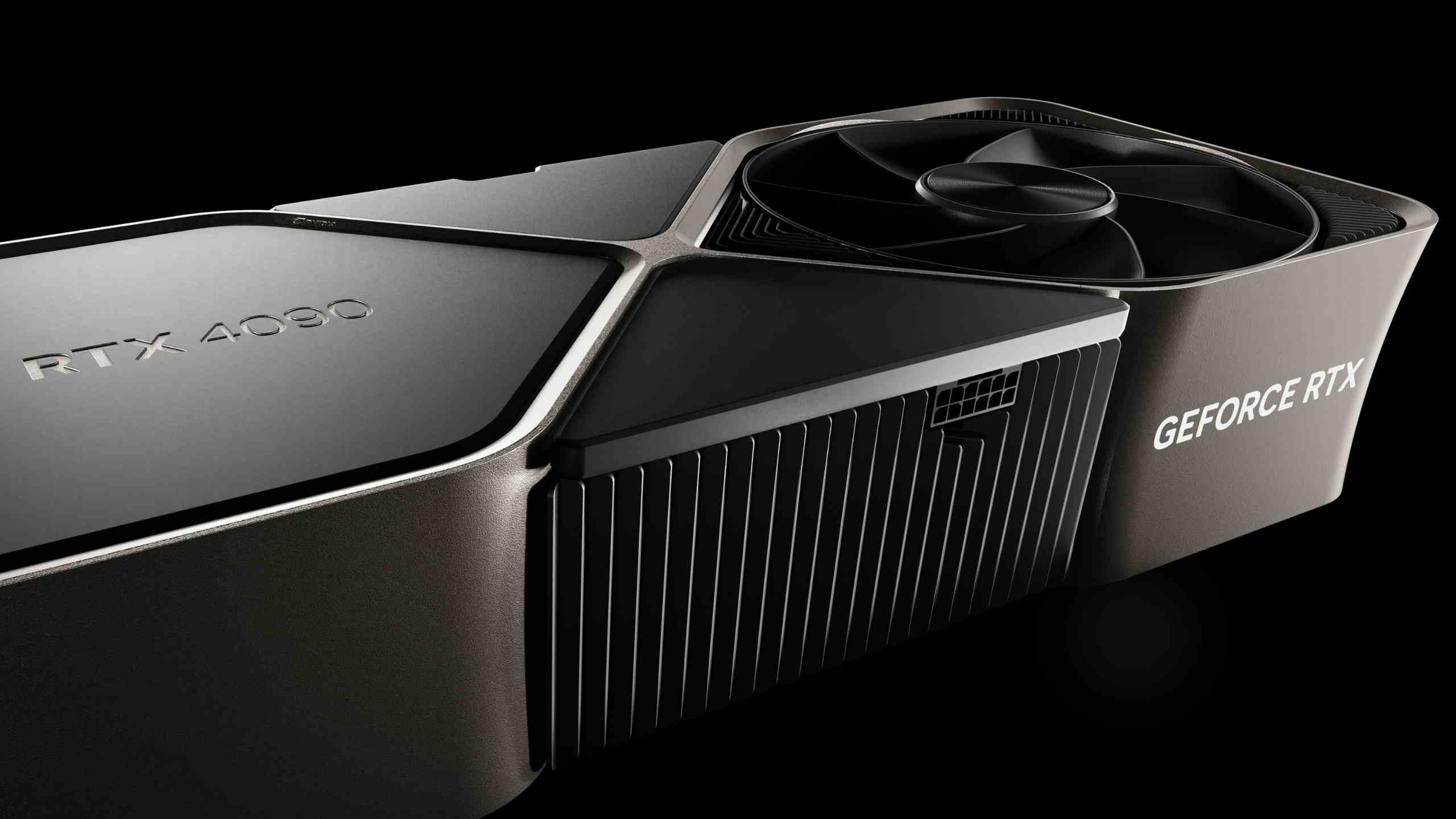
AI and High-Performance Computing
NVIDIA’s data center GPUs are designed for the most demanding AI and machine learning workloads. With architectures like Ampere and A100, NVIDIA GPUs power AI model training and data analytics in industries ranging from healthcare to finance.
Cloud Computing with NVIDIA
NVIDIA’s cloud GPU offerings, such as GRID and vGPUs, are allowing businesses to run GPU-intensive applications like AI modeling and high-performance computing (HPC) in the cloud. These services are democratizing access to powerful computing resources.
4. The Future of NVIDIA GPUs in AI and Gaming
Next-Gen GPUs: Ada Lovelace and Beyond
NVIDIA’s upcoming Ada Lovelace architecture promises further breakthroughs in AI processing and gaming performance. Enhanced ray tracing, DLSS 3.0, and improved energy efficiency are among the key features that will push gaming and AI into new realms of realism and interactivity.
AI-Powered Gaming
The future of gaming is deeply intertwined with AI. From procedural world generation to advanced NPC behaviors, AI will continue to play a significant role in making games more dynamic and responsive.
Bottom Line
NVIDIA’s GeForce GPUs have been pivotal in shaping the future of gaming and AI. With ongoing innovation in ray tracing, AI technologies, and data center solutions, NVIDIA is set to continue revolutionizing how we interact with technology in both entertainment and enterprise applications.