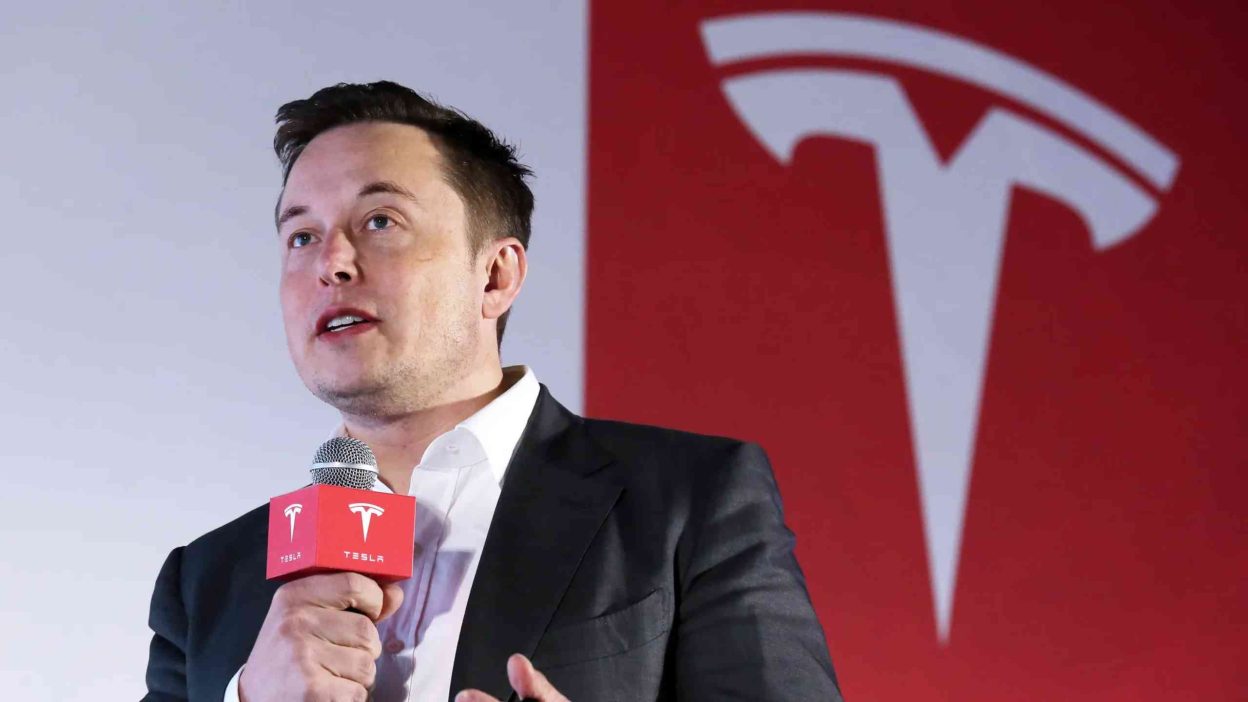
Tesla’s CEO, Elon Musk, declared during the company’s Q4 earnings call that Tesla is shifting away from being just a traditional automaker toward a future built around autonomous driving, robotaxi services, and robotics. This statement reflects a broader strategic pivot that has captured attention across financial markets and the auto industry.
For Americans who follow technology stocks, automotive industry trends, or the future of mobility, this change signals a potential re-definition of one of the most influential companies in electric vehicles, one moving toward software, AI and embodied robotics rather than solely selling cars.
Why This Is Happening
Elon Musk said Tesla is entering “a future that is based on autonomy,” marking a shift from building cars to focusing on self-driving vehicles and robots. The company’s leadership described this transition as a strategic turning point, one that lays the groundwork for Tesla’s evolution beyond traditional automotive manufacturing.
Part of this shift involves retiring two of Tesla’s longstanding vehicle models, the Model S sedan and Model X SUV, as resources are reallocated to new product lines such as Cybercab robotaxis and Optimus humanoid robots.
Current Strategic Snapshot
| Category | Current Status / Trend |
|---|---|
| Traditional EVs | Model S and Model X programs ending |
| New Products | Cybercab robotaxi, Optimus robot production lines planned |
| Software & Services | Full Self-Driving subscriptions growing (1.1M users reported) |
| Business Focus | Shift toward embodied AI and autonomous mobility |
Tesla’s move is not an overnight abandonment of vehicle sales. Automotive remains an important business today, but leadership sees the future in services and robotics.
Why It Matters to Americans
1. Shift in Revenue Mix:
Tesla’s emphasis on autonomous technology and robotics could change how revenue is generated, from selling cars to selling mobility services, subscriptions and robots tied to AI and autonomous systems.
2. Industry Impact:
U.S. automakers are also investing in EVs and autonomous driving. Tesla’s directional change may influence competitive and regulatory dynamics as legacy manufacturers balance EV production with software and services innovation.
3. Investor and Market Sentiment:
As one of the most widely held U.S. tech-related stocks, Tesla’s strategic shift can influence broader market perceptions about the future of automotive and tech sector growth, especially around autonomous technologies and artificial intelligence.
Key Comparisons
| Aspect | Traditional Auto Company | Tesla’s Evolving Identity |
|---|---|---|
| Main product | Cars | Autonomous vehicles, robots |
| Revenue source | Vehicle sales | Vehicles + AI services + robotics |
| Strategy | Manufacturing | Mobility services and embodied AI |
| Legacy models | Core products | Phasing out Model S and Model X |
Tesla is keeping parts of its EV lineup like the Model 3 and Model Y, but its future plans emphasize software and autonomous systems over conventional vehicle sales.
Near-Term Outlook
Tesla plans to build production lines for new autonomous products, including robotaxis and humanoid robots, even as it continues to sell conventional vehicles. It also reported growth in its Full Self-Driving (FSD) subscription base, a software product that enhances future autonomous potential.
Whether autonomous vehicles and robots will be commercially successful at scale remains uncertain and depends on regulatory approvals, market readiness, and technology performance, factors that are still evolving. No predictions or guarantees are implied.
Practical Takeaways
Tesla’s leadership publicly stated the company is moving beyond being just a carmaker, refocusing on autonomous driving and robotics.
Tesla plans production lines for new products like Cybercab robotaxis and Optimus robots.
Two of Tesla’s iconic EV models, Model S and Model X, are being retired as part of the shift.
Growth in software and subscription services like FSD supports Tesla’s broader AI strategy
The change reflects Tesla’s longer-term strategy around software subscriptions, which is explored further in Tesla Ends One-Time FSD Purchase.
Bottom Line
Tesla’s declaration that it is “no longer a car company” highlights a significant strategic reorientation toward autonomous vehicles, robotics, and AI-driven services. For U.S. audiences, this change reflects how one of the country’s most influential technology and automotive firms is adapting to new market opportunities and competitive pressures, moving from traditional manufacturing to a broader, tech-centric vision of mobility and automation.
Frequently Asked Questions
Why did Tesla say it’s no longer a car company?
Tesla’s CEO said the company is repositioning itself around autonomous driving and robotics, signaling a long-term shift toward AI-driven mobility and automation.
Which car models are being retired?
Tesla is winding down the Model S and Model X programs as it reallocates resources toward next-generation products.
What new products are planned?
The company plans to develop Cybercab robotaxis and Optimus humanoid robots, with manufacturing and infrastructure work already underway.
Is Tesla still selling cars?
Yes. Tesla continues to sell vehicles such as the Model 3 and Model Y, but it is increasingly emphasizing future mobility platforms and AI-based services.
How does this affect investors?
A strategic shift toward AI and robotics can reshape investor expectations and valuation, as markets weigh near-term vehicle sales against long-term technology and service potential.
Tesla said it’s evolving beyond being just a car company, shifting toward autonomous vehicles, robotaxis and robots, with iconic models like the Model S and Model X being retired as part of this transition.