
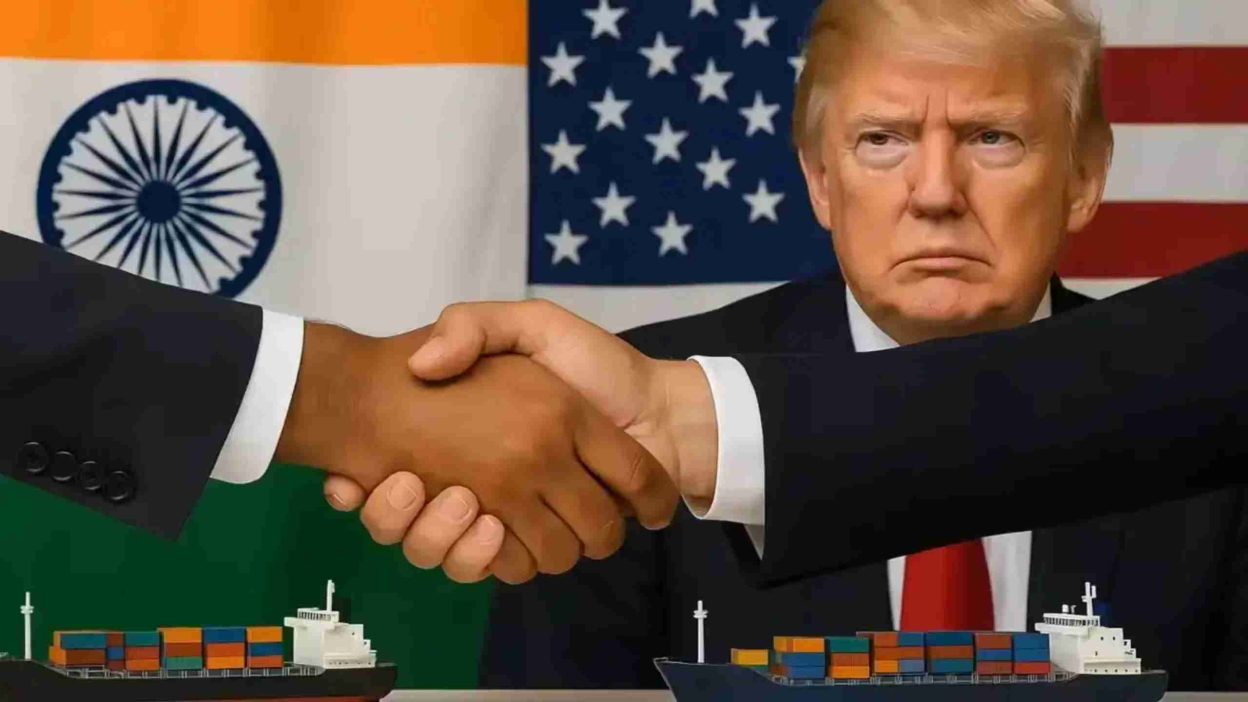
India’s 2026-27 federal budget was framed in part to counteract the economic impact of steep U.S. tariffs imposed under President Donald Trump’s administration. The budget includes measures designed to protect exporters and manufacturing jobs that have felt pressure from recent trade actions targeting Indian goods.
Prime Minister Narendra Modi’s government said the budget is meant to safeguard India’s economy while keeping it integrated with global markets and strengthening domestic industry at the same time. The aim is to balance external trade shocks with domestic growth plans.
Why Is This Happening
In 2025, the United States slapped high tariffs on certain Indian exports, with levies of up to 50 percent on key goods such as textiles and other labour-intensive products. These duties have made exports to America less competitive and added stress to manufacturers and workers.
In response, India’s Finance Minister Nirmala Sitharaman presented the Union Budget with a focus on easing the burden on export sectors and boosting resilience. Measures include customs duty relief, support for manufacturing clusters, and policies that help firms manage costs when international markets are unstable or less accessible.
Current Budget Highlights Related to Trade Pressures
| Measure | Purpose |
|---|---|
| Special Economic Zones relief | Helps units cope with export losses and under-utilisation |
| Duty-free import increases (like seafood inputs) | Reduces cost burden for exporters hit by tariffs |
| Customs duty cuts on select inputs | Aims to lower production cost amid global trade volatility |
| Support for textiles and labour-intensive industries | Preserves jobs and factory activity |
These fiscal steps are intended to help firms adapt to rising costs and external tariff pressure while maintaining domestic production and jobs.
Why It Matters to Americans
1. U.S. trade policy impact: The tariffs from Washington affect not only Indian exporters but also American buyers and industry sectors that rely on competitive imports. Higher tariffs can raise prices on goods consumed in the U.S.
2. Global supply chain shifts: India using its budget to promote self-reliance and export competitiveness may shift global sourcing patterns. U.S. companies and policymakers watching these changes could see implications for investment, sourcing, and geopolitical strategy.
3. Diplomatic and economic relations: India and the United States are both major global economies. Trade friction and fiscal responses like India’s budget can shape broader economic relationships and discussions on trade rules.
Key Comparisons
| Aspect | Trump Trade Policy | India’s Budget Response |
|---|---|---|
| Tariffs on Indian exports | Up to 50% on certain sectors | Budget measures to cushion exporters |
| Export competitiveness | Reduced market access | Support for textile, seafood, and other exporters |
| Domestic industry | Faces pressure from U.S. market access loss | Incentives and duty relief to boost output |
| Integration with global markets | Strained by tariff actions | Emphasis on deeper integration with EU, UK and other partners |
India’s budget also reflects a broader shift toward domestic manufacturing, infrastructure spending and supply chain resilience amid escalating global trade tensions.
Near-Term Outlook
The budget’s measures are meant to limit short-term economic disruption from trade barriers and maintain jobs and production capacity. Over the coming months, policymakers and business leaders will watch how these fiscal steps interact with global demand and tariff dynamics.
Whether these budget efforts will fully offset the impact of U.S. tariffs depends on global trade flows, India’s export performance and continued diplomatic engagement. No predictions or guarantees are implied.
Practical Takeaways
Modi’s government used the 2026 budget to provide relief to exporters hit by high tariffs from the United States.
The budget includes customs duty relief and support measures for manufacturing sectors under export stress.
These moves aim to protect jobs and maintain competitiveness in global markets while keeping India open to trade and investment.
Bottom Line
The 2026-27 Indian budget reflects a strategic effort to shield the economy from external trade pressures caused by U.S. tariff actions. By focusing on export support, tariff relief and strengthening domestic industry, the Modi administration is seeking to limit economic disruption while keeping India engaged in global markets. The budget underscores the interplay between fiscal policy and geopolitics in a time of rising trade frictions.
Frequently Asked Questions
Why did India tailor its budget in response to U.S. actions?
India was hit by steep U.S. tariffs on several export categories, prompting the government to introduce budget measures aimed at cushioning affected industries.
What sectors receive direct support in the Indian budget?
Labour-intensive export sectors such as textiles and seafood received duty relief and support for imported inputs to help maintain competitiveness.
Does the budget change U.S. tariff policy?
No. The Indian budget represents a domestic fiscal response and does not alter tariff decisions made by the United States.
How could this affect global supply chains?
By strengthening domestic exporters, India may influence trade flows and encourage companies to consider alternative sourcing and manufacturing strategies.
India’s 2026-27 budget includes targeted measures to support exporters and manufacturing industries facing pressure from steep U.S. tariffs, aiming to preserve jobs, boost competitiveness and maintain deeper integration with global markets.