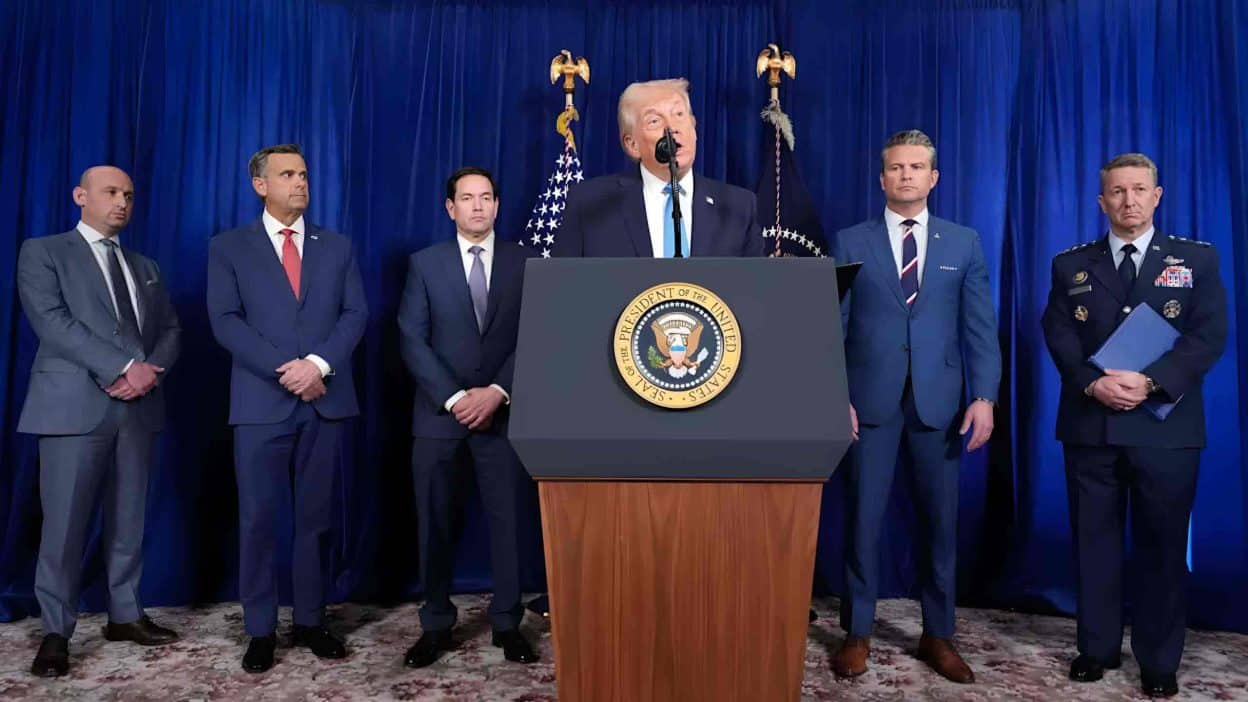
President Donald Trump announced that the United States would temporarily “run” Venezuela following a dramatic U.S. military operation that captured Venezuelan President Nicolás Maduro and brought him to the U.S. for prosecution.
Trump said the arrangement would last “until we can do a safe, proper and judicious transition” to new leadership. He made these remarks at a news conference at his Mar-a-Lago estate.
U.S. Military Action and Regime Change
The U.S. military conducted an extraordinary operation in Caracas targeting Maduro.
Maduro and his wife were flown out of Venezuela and are now in U.S. custody, facing charges.
Trump described the mission as successful and said no American service members were killed.
How the U.S. Intends to Govern
According to Trump:
U.S. officials and senior cabinet members would oversee the interim governance of Venezuela.
There was little detail on the specific structure, but Trump suggested that U.S. agencies and diplomats, along with Venezuelan counterparts, would manage the process until a transition is possible.
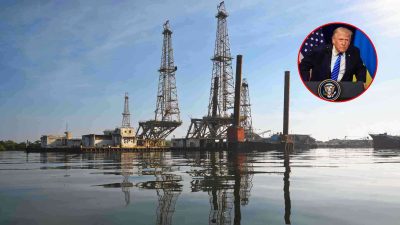
Trump indicated that the U.S. would work on rebuilding Venezuela’s oil infrastructure and involve large U.S. oil companies, even while maintaining the U.S. oil embargo on Venezuelan crude.
Oil Industry and Economic Interests
Trump said U.S. energy firms would be involved in restoring and operating Venezuela’s long-neglected oil sector, spending “billions and billions”. However, it was unclear how contracts, ownership, and legal frameworks would be implemented.
Regional and Legal Questions
Trump offered few specifics on how long U.S. control would last or how governance would be structured.
The move has already raised questions about sovereignty, legality, and international law, as well as concerns from some U.S. lawmakers about bypassing congressional authorization for such military action.
International Reaction and Challenges
Venezuelan Vice President Delcy Rodríguez, reportedly sworn in after Maduro’s removal, has labeled the U.S. action an illegal invasion and condemned the removal of Maduro.
Reactions from the international community are mixed, with some governments condemning the U.S. intervention as a violation of Venezuela’s sovereignty.
What This Means for Americans
Foreign policy shift: The U.S. action represents one of the most aggressive foreign interventions by any modern administration, raising debates about U.S. military involvement abroad and executive war powers.
Energy implications: If U.S. companies begin work in Venezuela’s oil fields, home to some of the world’s largest oil reserves, it could reshape energy flows and global oil markets, though legal and logistical hurdles remain.
Security and diplomacy: The U.S. now faces the complex task of managing political transition, reconstruction, and regional diplomatic fallout while balancing domestic political pressures and international norms.
Why It’s Controversial
Some lawmakers argue the president exceeded constitutional authority by ordering a military strike without congressional approval.
Critics see the move as reminiscent of past regime-change interventions with long, costly engagements.
Defenders argue it could stabilize the region if it leads to a broadly accepted government and ends corruption and trafficking allegations tied to Maduro’s regime.
President Trump announced that the United States will temporarily “run” Venezuela following a U.S. military operation that removed Nicolás Maduro from power. Trump said U.S. officials would oversee governance and rebuild oil infrastructure until a “safe and judicious transition” can occur. The move is unprecedented in modern U.S. foreign policy and has sparked questions about legality, regional stability, and how long such control might last
Frequently Asked Questions
Is the U.S. currently running Venezuela?
No. There is no confirmed evidence to support claims that the United States is running or controlling Venezuela.
Has Venezuela’s leadership officially changed?
No. There has been no verified or officially recognized change in Venezuela’s leadership.
Why is oil always part of this discussion?
Venezuela holds some of the world’s largest oil reserves, making its political situation relevant to global energy markets.
Can political statements impact markets?
Yes. Even unverified or speculative political claims can influence market sentiment and short-term price movements.
Is this a new U.S. policy?
No. There has been no formal announcement or confirmation of any new U.S. policy regarding Venezuela.
This situation is driven by political statements, not confirmed actions. No verified change in U.S. control or Venezuelan leadership exists. Understanding the difference between claims and facts is critical.