
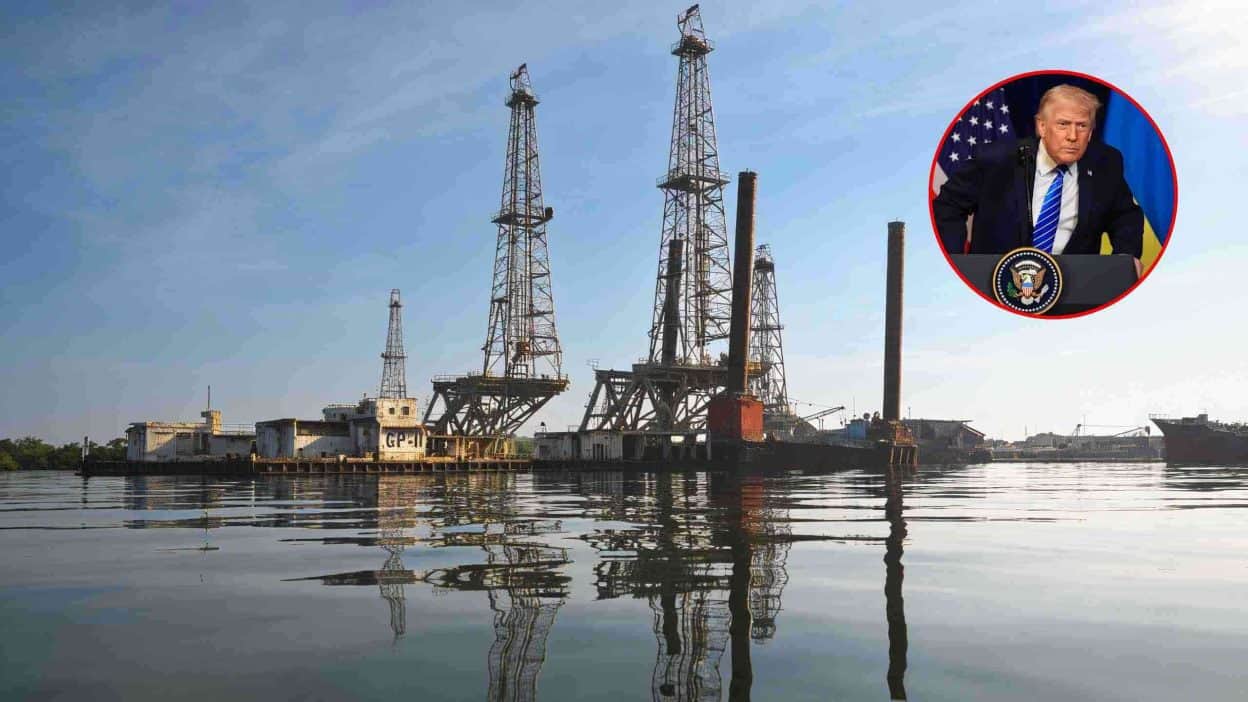
Recent U.S. military action in Venezuela and comments about the future of its oil sector have investors and consumers alike asking a key question: Will this affect gasoline prices at the pump? The situation is unfolding rapidly, and its implications for energy markets are not yet fully clear.
Venezuela has some of the world’s largest proven oil reserves, but its actual production and export levels have been limited by years of underinvestment, mismanagement, and sanctions.
Understanding how changes in Venezuelan oil availability could influence U.S. gas prices helps put headlines into perspective.
Why Venezuela Matters to Oil Markets
Venezuela sits on a massive store of crude, hundreds of billions of barrels, far more than any other country’s known reserves.
However, output has been weak for years, with Venezuela producing far less than its potential. Even before the recent strikes and blockade actions, Venezuelan crude exports were under pressure, and oil production was fragile.
Because Venezuelan output has been constrained, the global market has largely adapted to lower flows rather than relying heavily on Venezuelan barrels.
What Has Happened to Oil Supply
Recent U.S. pressure, including strikes, tanker interdictions, and sanctions, has contributed to downward pressure on Venezuela’s oil exports and production. Some tankers have avoided Venezuelan ports due to fear of seizure, further limiting outbound oil supply.
Analysts note that while these moves can disrupt oil flows, Venezuela’s contribution to total global crude supply has historically been relatively modest compared with giants like Saudi Arabia or the United States itself.
Why This Could Affect Gas Prices

Gasoline prices in the U.S. are influenced by global crude oil markets, not just domestic supply. Even small shifts in perceived supply risk or geopolitical tension can push prices higher.
Recent actions and threats, such as a tanker blockade, have already contributed to short-term upward moves in oil pricing indexes, as traders price in added uncertainty and reduced supply expectations.
Some market analysts suggest that, if Venezuelan output were further disrupted, gasoline prices in the U.S. could rise modestly, with estimates ranging from a few cents per gallon to more noticeable increases depending on how long disruptions last.
However, because Venezuela’s current oil production is a relatively small part of the world supply, the impact is expected to be moderate rather than dramatic unless conflict spreads or larger supply disruptions emerge elsewhere.
Balancing Supply and Demand
U.S. gasoline prices depend on several factors beyond Venezuelan oil:
Domestic crude production and refinery activity
OPEC+ production decisions
Global economic demand for fuels
Inventories and seasonal driving patterns
Instances of geopolitical conflict often cause short-term price spikes, even if underlying fundamentals remain stable.
Practical Takeaways for Consumers
Don’t expect a sudden price shock: Any impact from Venezuela would likely be modest unless multiple supply sources are disrupted.
Prices respond to uncertainty: Even talk of blockades or strikes can push oil markets higher for brief periods.
Longer-term outlook depends on production changes: If Venezuelan oil infrastructure were restored and integrated into global markets over the years, as some political leaders have suggested, that could gradually increase supply and ease price pressure, though this is highly speculative and long-term.
U.S. strikes and increasing geopolitical tension around Venezuela’s oil sector have injected a risk premium into oil markets, which can nudge prices of crude and gasoline upward in the short term.
Still, because Venezuela’s actual oil output remains relatively low and world oil markets are diversified, the expected impact on U.S. gas prices is likely moderate rather than severe, absent broader supply disruptions or escalation.
This dynamic shows how geopolitical events can ripple into everyday energy costs, but also why the scale of those effects depends on how markets balance supply, demand, and uncertainty.
Frequently Asked Questions
Will gas prices go up because of the U.S.-Venezuela conflict?
Yes. Short-term price pressures and added risk premiums can push gasoline prices modestly higher, though sharp spikes are unlikely unless broader oil supply is disrupted.
Why is Venezuela important to oil markets?
Venezuela holds some of the world’s largest proven crude oil reserves, even though actual production has been constrained for many years.
How much oil does Venezuela export now?
Oil output and exports remain far below historical levels, with much of Venezuela’s production limited by political, economic, and infrastructure challenges.
Could U.S. control of Venezuelan oil boost U.S. energy supply?
Only over the very long term. Reviving Venezuelan oil production would require years of investment, policy stability, and infrastructure rebuilding.
Are gas prices driven only by oil supply?
No. Gasoline prices are also influenced by refinery capacity, seasonal demand, transportation costs, and broader global market conditions.
U.S. strikes and escalating tensions with Venezuela have added uncertainty to global oil markets, potentially nudging gasoline prices modestly higher, but a major price jump is unlikely without broader supply disruptions.