
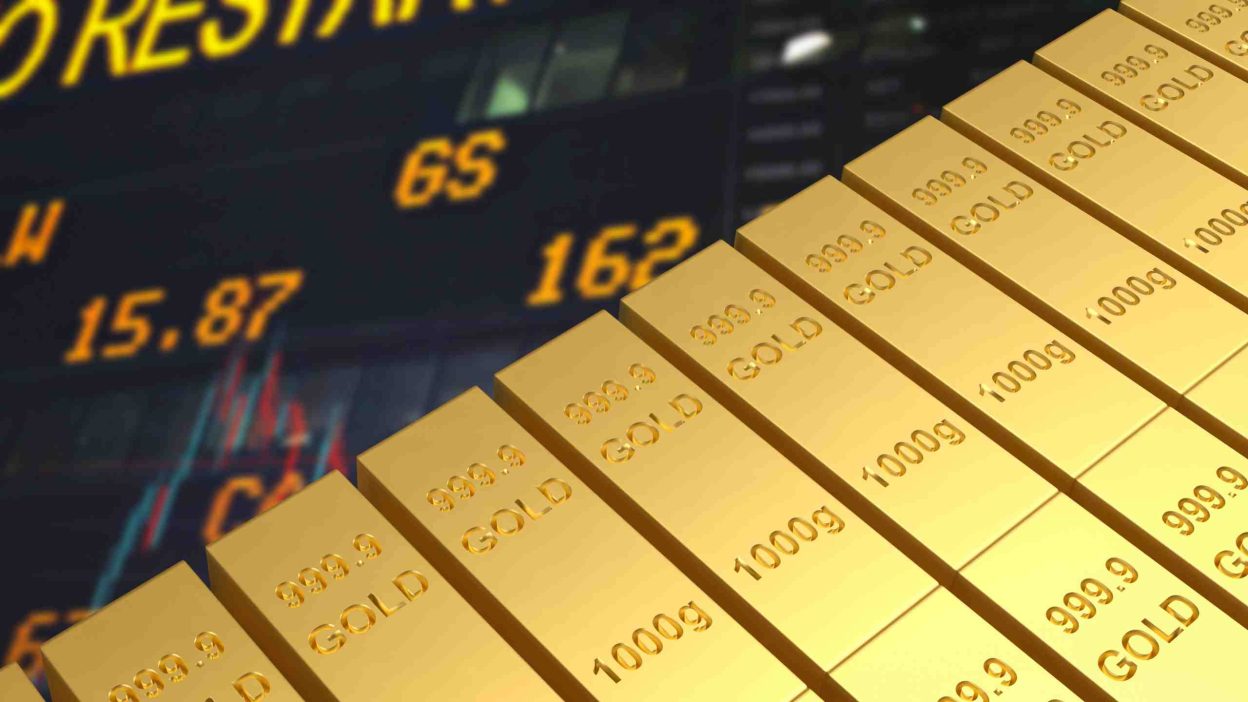
Gold prices surged above $5,000 per ounce for the first time in history, extending a dramatic rally that has captivated global markets in early 2026. Spot gold briefly reached record levels above $5,100 before stabilizing above $5,000, a milestone reflecting widespread investor demand for safety amid mounting geopolitical, economic, and policy uncertainty.
Silver also hit fresh highs, with prices above $100 per ounce, while other precious metals like platinum and palladium showed strong gains.
Why Gold Is Rallying So Sharply
Rising Geopolitical and Policy Risk
Investors are flocking to gold as a hedge against geopolitical tensions and economic uncertainty. Several factors have spurred this safe-haven demand:
Ongoing trade disputes and threats of steep tariffs affecting global allies.
Escalating geopolitical tensions, including conflicts in Europe and the Middle East.
Broad uncertainty over U.S. economic policy, Federal Reserve independence, and global financial stability.
Analysts say that these factors are pushing investors away from risk assets and into hard assets like gold as a store of value.
Currency Weakness and Debt Fears
A weaker U.S. dollar, trading near multi-session lows, has strengthened gold’s appeal for global buyers by making the metal cheaper in other currencies.
Additionally, rising concerns about high sovereign debt levels and inflation risk have propelled investors toward precious metals as protection against currency debasement and erosion of purchasing power.
What’s Driving Demand
| Factor | Impact on Gold |
|---|---|
| Geopolitical Risk | Higher safe-haven demand |
| Policy Uncertainty | Push toward tangible assets |
| Weak U.S. Dollar | Cheaper gold for global buyers |
| Debt & Inflation Fears | Investors seek inflation hedges |
| Central Bank Buying | Strong institutional accumulation |
Analysts say combined structural forces, not just temporary spikes, are supporting gold’s rise.
Near-Term Market Outlook
• Potential continued gains: Many strategists see gold holding elevated levels or testing higher targets as uncertainty persists.
• Volatility risk: Prices may retrace if geopolitical tensions ease or monetary policy shifts unexpectedly.
• Other safe havens: Precious metals beyond gold, including silver and platinum, may also remain strong as investors diversify risk.
Practical Takeaways
• Gold surpassed $5,000 per ounce for the first time, marking a historic milestone in 2026’s financial markets.
• Safe-haven demand is driving the rally as investors seek protection from policy uncertainty, geopolitical tensions, and currency weakness.
• Central bank buying and retail inflows continue to boost gold’s structural demand.
• Other metals like silver also hit record levels, reflecting broader hard asset interest.
Conclusion
Gold’s break above $5,000 an ounce is more than a symbolic peak; it reflects deep shifts in investor behavior amid a more volatile global landscape. Driven by geopolitical friction, policy uncertainty, weakening currencies, and fears over debt and inflation, gold’s historic rally underscores its enduring role as a safe-haven asset in times of market instability. How the price holds or evolves will hinge on developments in global politics, central bank actions, and currency markets in the coming months.
Frequently Asked Questions
Why did gold surge above $5,000 per ounce?
Gold’s rally reflects mounting geopolitical tensions and policy uncertainty,
prompting investors to move capital into traditional safe-haven assets.
What role does the U.S. dollar play in gold’s rise?
A weaker U.S. dollar has made gold more affordable for international buyers,
strengthening global demand and supporting higher prices.
Are other metals rising too?
Yes. Silver has climbed above $100 per ounce, while platinum and palladium
have also posted strong gains amid increased investor and industrial demand.
Could gold prices fall again?
Gold may experience short-term volatility if geopolitical tensions ease
or if monetary policy expectations shift unexpectedly.
Is this rally structural or temporary?
Many analysts see the current surge as part of a broader structural move
toward safe assets, although periodic pullbacks remain likely.