
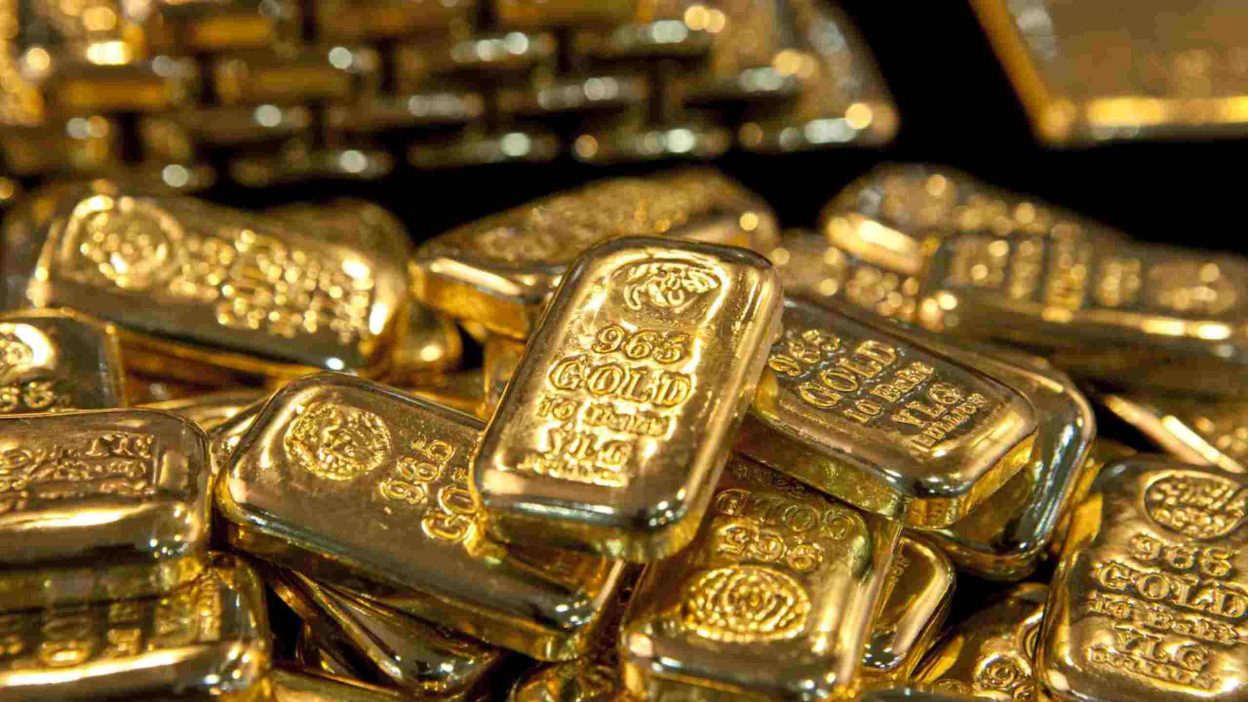
Gold prices clawed back some losses on Tuesday after a dramatic sell-off that followed a historic rally in precious metals. The sell-off had driven gold down sharply, but prices recovered some ground as traders reassessed risk and liquidity conditions.
This movement matters to U.S. investors and markets because gold often reflects market sentiment about risk, inflation and currency strength. Sharp reversals in gold can highlight shifts in macro expectations and influence investment decisions across commodities and safe-haven assets.
Why Is This Happening
Gold and other precious metals experienced a rapid ascent to record levels in recent weeks, fueled by concerns about geopolitical risks, currency weakness and economic uncertainty. Sudden inflows, including from Chinese buyers, boosted prices before a strong rebound in the U.S. dollar triggered a sharp reversal last Friday.
The extreme price moves led to heightened volatility as markets absorbed the abrupt correction. Some buyers also stepped back in on Tuesday, helping prices recover some of the earlier losses. Market strategists say the factors supporting gold have not fundamentally changed, but conditions will likely remain unsettled in the near term.
Recent Price Action Snapshot
| Metal | Recent Moves |
|---|---|
| Gold | Up as much as 4.2% near $4,855 per ounce after earlier sharp fall |
| Silver | Up about 8.1% to over $85 an ounce after recent slide |
| Dollar | Bloomberg Dollar Spot Index edged lower as bullion recovered |
Gold had plunged about 13% in just two sessions before the rebound, marking one of the steepest corrections in recent years.
Why It Matters to Americans
1. Safe-Haven Demand and Market Stress
Gold is commonly seen as a safe-haven asset. Sharp moves can signal changing investor appetite for risk and perceptions of economic or geopolitical stress, which can influence broader financial markets.
2. U.S. Dollar Relationship
Gold prices often move inversely to the U.S. dollar. A stronger dollar can make bullion pricier in other currencies and reduce demand, while dollar weakness can boost gold’s appeal. Recent swings show how closely commodities and currency markets interact.
3. Inflation and Monetary Policy Signals
Investors watch gold as a hedge against inflation and currency debasement. Rapid price moves may reflect uncertainty about future monetary policy and inflation expectations. Changes in Fed policy or geopolitical dynamics tend to influence gold prices.
Key Comparisons
| Trend | Direction |
|---|---|
| Gold Price | Recovering after sharp correction |
| Silver | Rebounding after recent declines |
| Dollar Index | Slightly lower as precious metals regained footing |
| Volatility | Elevated amid rapid swings |
Gold and silver have both seen large percentage swings in recent trading, underscoring the challenges of trading commodities during periods of economic uncertainty.
Near-Term Outlook
While some buying returned to bullion markets, analysts warn that volatility is likely to persist as markets digest the recent correction and global investors reassess risk. Chinese demand around the upcoming Lunar New Year holiday and broader macro developments will be key influences. No prediction or guarantee is implied.
Practical Takeaways
Gold rebounded Tuesday after an abrupt sell-off that followed a record rally in precious metals.
Spot gold climbed over 4% toward around $4,850 an ounce after sharp losses.
Silver also recovered part of its earlier slide, rising about 8%.
Traders remain cautious as markets reassess recent price dislocations and risk appetite.
Bottom Line
Gold’s dollar-denominated price rebounded after a swift correction erased a significant portion of recent gains. The rebound reflects renewed buying interest amid elevated volatility and continued macro uncertainty. For U.S. market participants, these swings highlight how commodities such as gold can respond rapidly to changes in currency strength, investor risk sentiment and global economic signals.
Frequently Asked Questions
Why did gold prices fall sharply before recovering?
Gold dropped sharply after a dramatic unwind of a record rally as the U.S. dollar rebounded
and some investors booked profits following rapid gains.
How much did gold climb after the sell-off?
Gold prices rebounded by as much as about 4.2%, recovering a significant portion
of the recent losses.
Did other metals also recover?
Yes. Silver also staged a rebound, gaining roughly 8% after steep declines earlier
in the sell-off.
What has influenced gold’s price most recently?
Recent price movements reflect shifting safe-haven demand, fluctuations in the U.S. dollar,
and profit-taking after a rapid surge to record levels.
Will gold continue to be volatile?
Market strategists say volatility may remain elevated as investors digest recent
market dislocations and reassess positioning.
Gold rebounded after a sharp correction that followed a record rally, with bullion and silver gaining ground as markets digested recent volatility and reassessed risk and demand dynamics.