
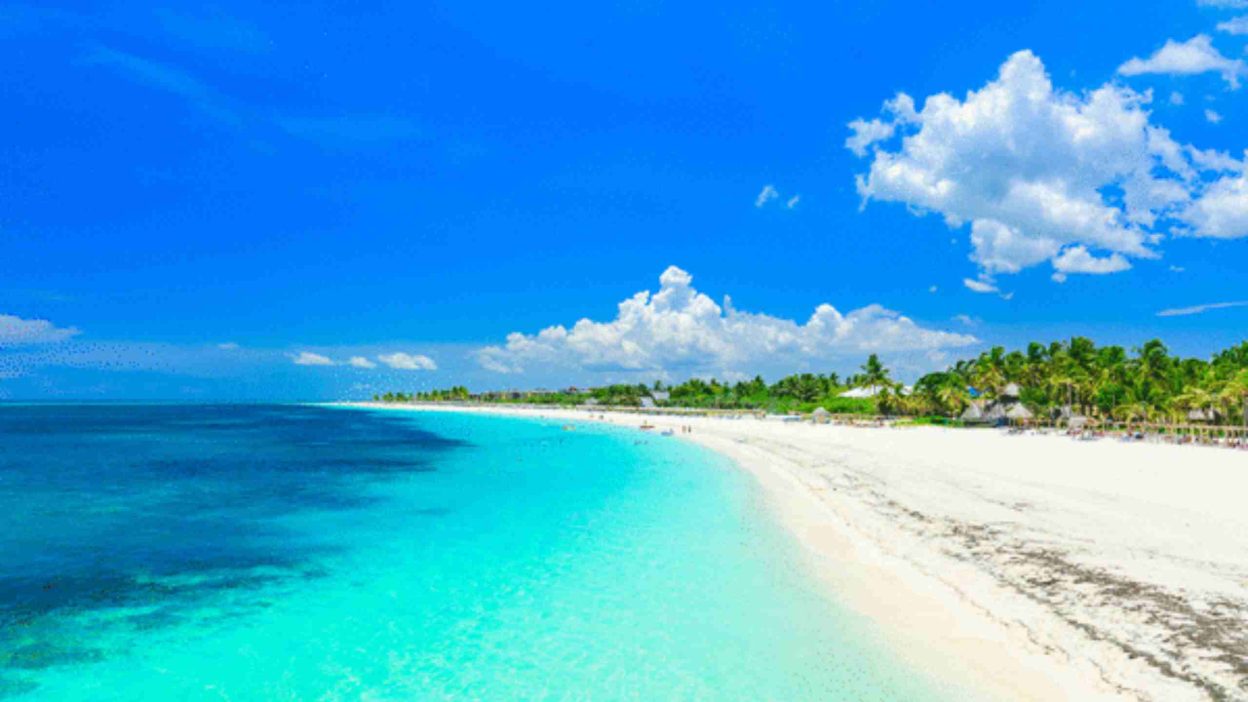
Cuba has started closing some beach resorts and hotels because a severe shortage of fuel is disrupting its tourism industry. Reports show major resorts on Cayo Coco will close and guests are being moved to other properties as the government tries to cope with limited energy supplies.
The fuel scarcity is tied to deeper problems in Cuba’s energy supply chain that are affecting daily life for ordinary citizens as well as key economic sectors. These developments matter not only for Cubans but also for U.S. travelers and businesses with ties to the island.
Why Resorts Are Closing
Fuel Shortage Is Limiting Operations
At least two large beach resorts on Cayo Coco are set to close due to a lack of gasoline and diesel needed to power generators and transport staff and guests. Workers reported that fuel shortages are so severe that employees cannot reliably travel to work.
Employees said international tourists are being transferred to other properties with better fuel access. The closures come despite Cuba’s peak winter tourism season, when the industry normally earns most of its foreign currency.
Broader Energy Crisis in Cuba
Daily Life Is Affected
Cuba’s broader fuel shortage is affecting key services and daily life on the island. Public transportation has largely come to a halt because buses lack fuel. Hospitals are planning to scale back non‑emergency procedures, and planned power cuts are lengthening across communities.
The shortfalls in transportation and power are straining infrastructure and causing disruptions for residents and visitors alike.
Government Response
Cuba’s leadership has announced emergency measures to conserve fuel and energy. These include reducing the work week for state‑owned enterprises, restricting fuel sales, cutting some bus and train services, and closing certain tourist facilities to save energy.
Officials say fuel will be prioritized for essential services like healthcare, food production, education, water supply and national defense.
Key Data Snapshot
| Sector | Impact |
|---|---|
| Tourism | Select resorts closing and guests relocated due to fuel shortage |
| Transportation | Public buses largely stopped and intercity travel reduced |
| Healthcare | Hospitals preparing to scale back non‑urgent services |
| Electricity | Longer planned blackouts due to energy supply issues |
Why This Matters
For Tourism and Travel
Cuba’s tourism industry has been a key part of its economy, drawing visitors from the United States, Canada and Europe. Resort closures, travel disruptions and energy uncertainty can deter tourists, reduce foreign income, and create booking and itinerary issues for travelers.
For Daily Life and Economic Stability
Fuel shortages affect more than tourism. They hit public services, transport, health care and power supply, increasing hardships for everyday Cubans. Planned blackouts and transport halts make work, schooling and business more difficult.
Energy constraints also contribute to inflation and scarcity of basic goods like food and medicine, which some reports describe as deepening Cuba’s economic crisis.
Market and Policy Context
Some observers link Cuba’s energy woes to tightened U.S. sanctions and disruptions in fuel shipments from key partners like Venezuela and Mexico. The U.S. has also announced humanitarian aid even as pressures on oil supply continued.
Mexico has signaled a desire to send humanitarian fuel aid, though political and diplomatic challenges remain.
Bottom Line
Cuba’s decision to shut some resorts reflects a broad fuel shortage that is straining tourism and hurting everyday life. Public transport disruptions, hospital challenges and extended power outages show how deeply energy scarcity is affecting the nation. These developments have implications for travelers, Cuban residents and economic ties between Cuba and other countries.
Read more: See how Big Tech today compares with IBM in the 1960s and what it means for U.S. investors.
Frequently Asked Questions
Why are resorts closing in Cuba?
Several large resorts are shutting down because there is insufficient fuel to support operations and transportation for workers and guests.
Is the fuel shortage affecting daily life?
Yes. Public transport, hospitals, and electricity services are all under strain due to limited fuel supplies.
What is the government doing about it?
Cuban authorities have restricted fuel sales, reduced working hours for state companies, and closed some services in order to conserve energy.
Will this affect U.S. travelers?
Travel disruptions, resort closures, and energy shortages may impact the plans and services available to American and other international visitors.
Cuba is closing some resorts and hotels because a severe fuel shortage is disrupting tourism, transport and daily life. The energy crunch is linked to supply constraints and policy pressures, and it is affecting basic services and economic stability.