
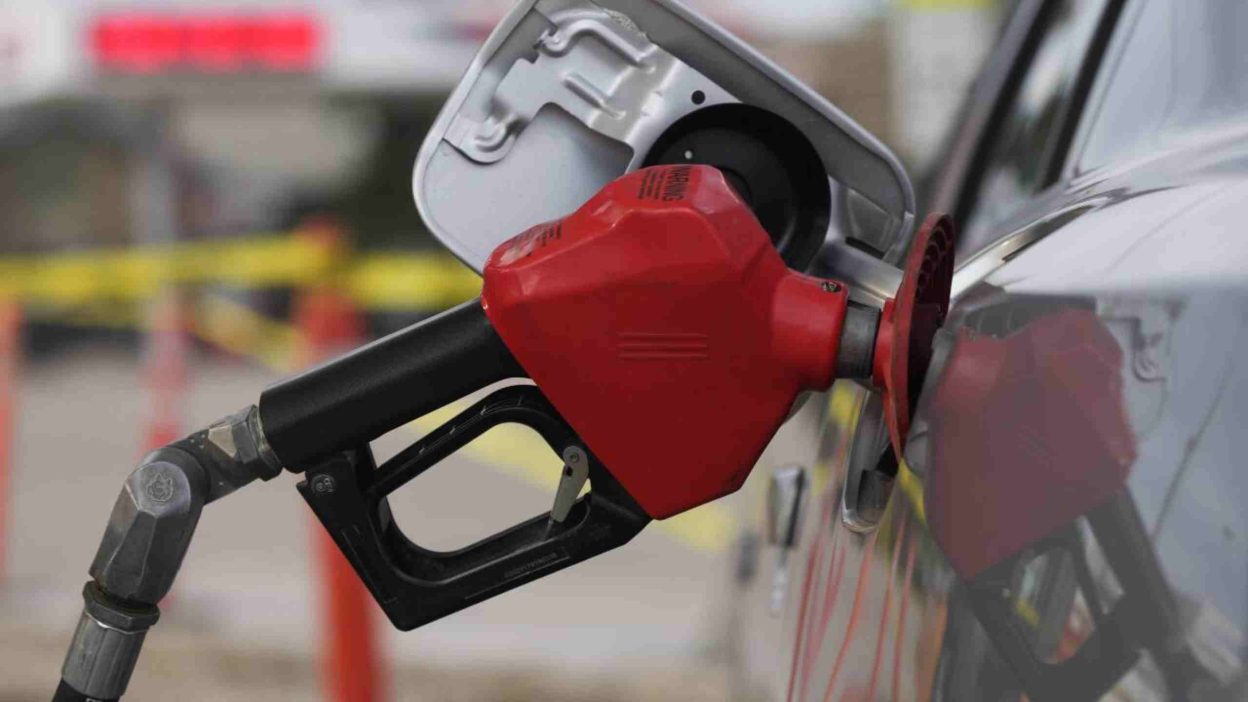
California energy regulators have decided not to suspend temporary price caps on gasoline, even after recent changes in the wholesale fuel market that reduced some costs. The move means that drivers in California will continue to benefit from limits on how high retail gasoline prices can go, though the broader pricing landscape remains complex.
Fuel costs are a frequent household expense, and policymakers face pressure to balance market signals with protections against sharp price spikes.
The decision reflects ongoing concerns about affordability and consumer protection in one of the United States’ largest fuel markets.
What California Regulators Decided
Price Caps Will Stay in Place
The California Public Utilities Commission (CPUC) decided not to suspend the temporary retail gasoline price caps that were put in place when wholesale fuel costs were unusually high. Although wholesale prices have eased somewhat, regulators say keeping the caps active provides ongoing protection for consumers who still face relatively high prices at the pump.
The CPUC’s decision means that retail stations must continue to limit prices at levels set under the temporary policy, which was introduced during a period of elevated fuel cost volatility.
Why Price Caps Were Introduced
The temporary price cap policy was introduced after sharp increases in wholesale fuel costs led many California stations to raise gasoline prices sharply. The CPUC said at the time that the caps were needed to prevent unfair price spikes that hurt consumers and local economies.
Reasons Behind the Decision
Wholesale Costs Have Fallen, but Retail Prices Remain High
Although wholesale gasoline costs have come down from recent highs, retail prices in California still remain significantly above national averages. Analysts say that even with lower wholesale costs, transportation, refinery and regulatory expenses in California continue to support elevated pump prices.
For example, California’s supply chain complexities, environmental fuel blend requirements and logistical bottlenecks all contribute to higher prices at retail gas stations.
Consumer Concerns About Affordability
Regulators noted that many Californians still feel the effects of high gasoline costs on household budgets. Price caps are seen as one tool to provide relief without requiring broader intervention in markets.
Consumer advocates applauded the decision, saying that removing the caps prematurely could lead to higher prices at the pump and hurt low‑ and middle‑income families who depend on gasoline for commuting and daily activities.
What This Means for Drivers
California Fuel Prices Likely Stay Elevated but Controlled
Drivers in California will continue to see gas prices above U.S. averages, but enforcement of price caps can help prevent further rapid increases. Retail stations must comply with the limits set by regulators, and enforcement mechanisms are in place to penalize violations.
Consumers should still watch local price trends, especially around seasonal shifts in demand or refinery maintenance cycles that can affect supply.
Broader Market Forces at Play
Gasoline prices depend on many factors, including crude oil costs, refinery output, transportation logistics and global supply disruptions. California’s unique fuel standards also contribute to higher baseline costs than most other states.
The CPUC’s decision to retain the caps does not directly change these underlying factors, but it does aim to prevent retailers from passing through excessive costs to consumers beyond market forces.
Bottom Line
California regulators chose not to suspend temporary retail price caps on gasoline, citing the need to continue protecting consumers even as wholesale fuel costs ease. The decision highlights ongoing concerns about high fuel prices in the state and the challenges policymakers face balancing market conditions with affordability for drivers. Retail caps will remain in place for now as part of efforts to stabilize prices at the pump.
Read more: Venezuela oil deal may affect U.S. gas prices.
Frequently Asked Questions
Why did California put price caps on gas?
Regulators introduced fuel price caps during a period of high wholesale gasoline costs to prevent sharp price spikes at retail stations.
Are prices going down?
Wholesale prices have eased, but retail prices in California remain relatively high due to supply chain and regulatory factors.
What happens if retailers ignore the caps?
Regulators have enforcement mechanisms to penalize gas stations that exceed the price caps.
Do price caps affect all gasoline in California?
Yes. The temporary policy applies statewide and sets limits on how high retailers can charge at the pump.
Could the caps be lifted later?
Regulators could revisit the decision if market conditions change significantly, but for now the price caps remain in place.
California’s public utilities regulators decided to keep temporary retail gasoline price caps in place even as wholesale fuel costs have eased.