
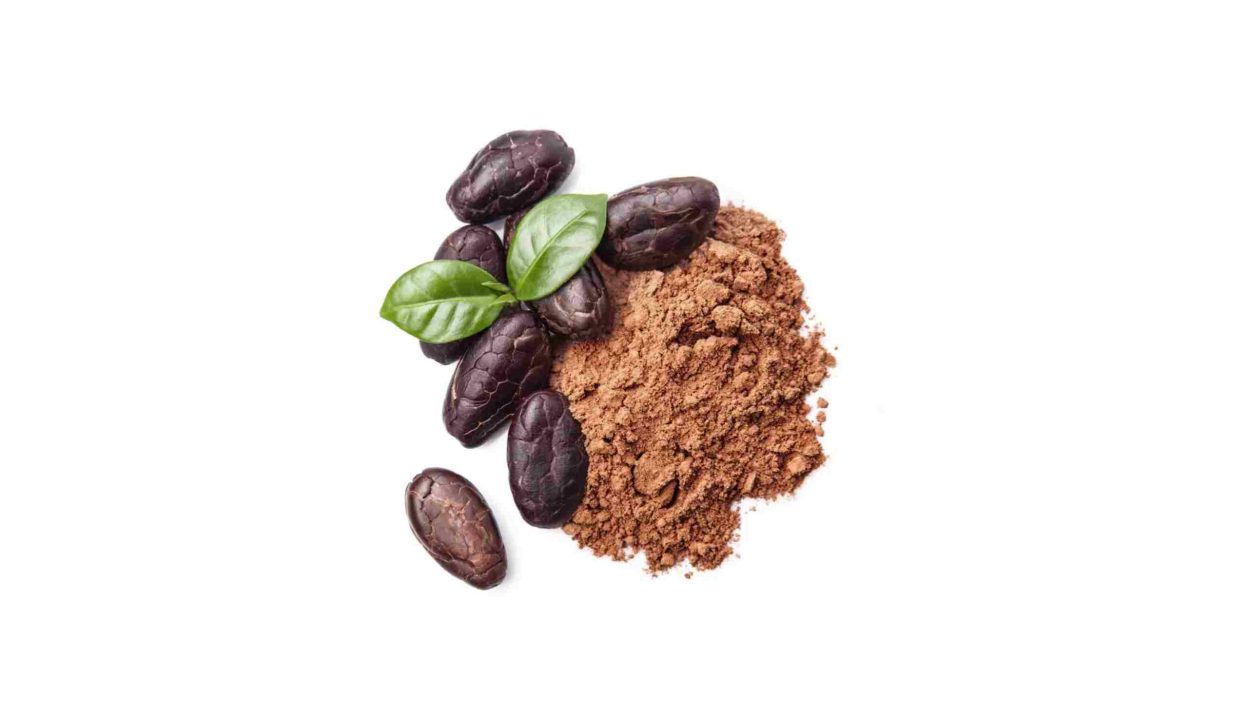
The global cocoa market has swung from boom to bust, and traders say the recent collapse in prices could change how the commodity is traded over the long term. Cocoa futures were once among the best performing commodities, but prices have plummeted after years of gains. The shift reflects a mix of supply changes, demand weakness and shifting investment flows that are now forcing market participants to rethink strategies tied to cocoa.
Fluctuations in cocoa prices can eventually affect prices for chocolate and cocoa products at grocery stores, even though most cocoa beans are grown abroad.
What Is Happening in Cocoa Markets
From Boom to Bust
Cocoa prices surged over the past several years, driven in part by concerns about supply shortages in West Africa, which produces a large share of the world’s cocoa. That long period of price strength made cocoa futures one of the standout performers among raw materials.
Recently, however, prices have fallen sharply. The retreat in cocoa futures reflects a combination of weakening demand and improved supply conditions that have surprised traders studying the market.
Why Prices Are Falling
Improved Supply Conditions
Key cocoa-producing countries such as Ivory Coast and Ghana have reported larger harvests than expected, adding more beans to the global market. Higher output tends to weigh on prices when demand does not keep pace.
Weather conditions and farming practices have improved in some regions, and trade flows have adjusted, making more cocoa available to international buyers.
Demand Weakness
Demand for cocoa has softened, especially in major consumer markets. Economic slowdowns and higher prices for cocoa products may have dampened purchasing behavior for chocolate and confectionery goods in some regions.
When demand weakens, buyers are less willing to pay high premiums for raw cocoa, pushing futures prices lower.
Shift in Investor Behavior
Investors in commodity markets have been reallocating capital across asset classes. Some traders have reduced exposure to cocoa futures in favor of other commodities or financial assets perceived as less volatile, contributing to the price decline.
Why This Matters to Traders and Markets
Long-Term Market Rewriting
The dramatic price swings from boom to bust have caused traders to rethink risk models tied to cocoa and other soft commodities. Strategies that assumed sustained price increases may no longer be reliable if market fundamentals shift unexpectedly.
Hedge funds, commodity trading firms and institutional investors are paying close attention to cocoa’s volatility as they recalibrate positions and reassess long-term forecasts.
Impact on Supply Chains and Consumers
Although cocoa beans are primarily grown in West Africa, the United States sources finished cocoa products and ingredients globally. Falling bean prices can eventually lead to lower costs for chocolate manufacturers, which may lead to retail price changes over time.
However, commodity prices are only one part of the cost structure, and retail pricing also depends on transportation, processing, labor and other supply chain factors.
Bottom Line
Cocoa prices have shifted from a long period of strength to a sharp decline, driven by improved supply, weaker demand and changes in investor behavior. Traders and analysts say the bust phase could reshape how cocoa futures are priced and how long-term market strategies are formulated. While most Americans do not follow commodity markets daily, changes in cocoa prices can eventually ripple into consumer goods and supply chain cost structures.
Read more: Cuba is shutting resorts as fuel shortages strain its economy.
Frequently Asked Questions
What is cocoa futures trading?
Cocoa futures are contracts that allow buyers and sellers to agree on a price today for delivery of cocoa at a future date. They are used by commodity traders and producers to hedge risk and speculate on price movements.
Why did cocoa prices rise so much?
Prices rose in recent years due to concerns about supply shortages in major producing nations and strong global demand for cocoa and cocoa-based products.
Why are prices falling now?
Improved harvests in key producing countries such as Ivory Coast and Ghana, softer global demand, and changes in investor positioning have contributed to the recent decline in cocoa prices.
Does this affect chocolate prices?
Lower cocoa bean prices can eventually reduce input costs for chocolate manufacturers, but retail chocolate prices also depend on factors such as labor, energy, transportation, and branding, so changes may not be immediate.
Is cocoa still a good investment?
This content is informational and not financial advice. Commodity markets are volatile and influenced by weather conditions, global supply and demand dynamics, and investor sentiment.
Cocoa futures went from a strong price boom to a sharp downtrend as improved supply, weaker demand and changes in investor behavior reshape market dynamics.