
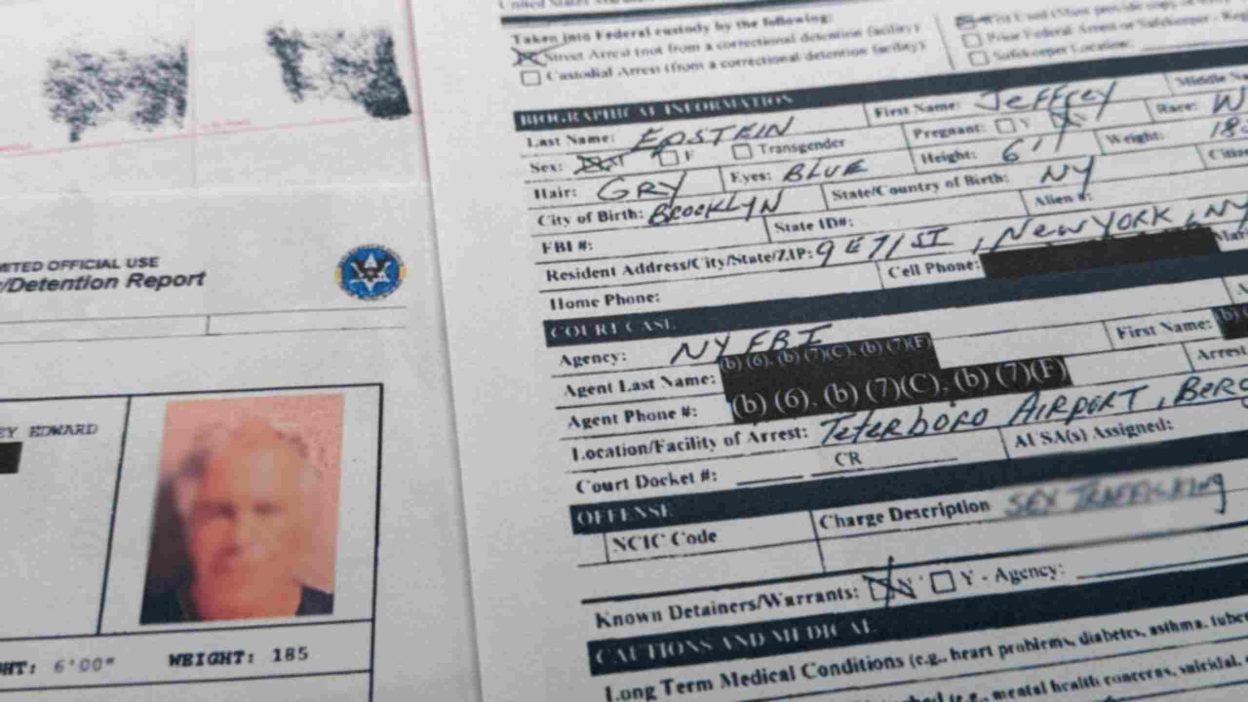
The U.S. Department of Justice (DOJ) has removed thousands of Epstein‑related documents from its public archive after victims’ lawyers and survivors raised alarm that sensitive identifying information was included in files that were supposed to be redacted. Law enforcement had recently released millions of pages tied to the investigations of convicted sex offender Jeffrey Epstein, but errors in the redaction process exposed names, contact details and other private data of alleged victims and survivors.
The controversy has intensified criticism of the DOJ’s handling of the transparency effort. It has prompted legal action by attorneys for survivors seeking stronger protections and corrections to the document release process.
What Happened
Unredacted Victim Information Released
After the DOJ published more than 3.5 million pages of court records, investigative files and seized material related to Epstein’s crimes, attorneys representing alleged victims discovered that many documents contained names, email addresses, banking details and other personally identifying details that should have been removed before publication.
Some images, including photos from the files, also appeared online with faces and bodies visible despite federal law requiring protection of victim privacy.
DOJ Takes Down Documents and Revises Redaction Process
In response, the Justice Department took down thousands of documents and related files from its public website, acknowledging the errors and saying they stemmed from technical or human mistakes. Prosecutors said they would review flagged records and revise redactions where needed before republishing corrected versions.
Deputy Attorney General Todd Blanche said the department was working to fix the issues and that it had removed files identified by victims or their attorneys. Blanche also said the errors represented only a small fraction of the materials released but that the department was taking steps to address concerns.
Why This Matters
Legal Obligations to Protect Victims
Under federal law, documents made public by the DOJ must protect the privacy of victims, particularly in cases involving sexual abuse. When vital identifying details appear in released materials, survivors and their lawyers argue that the government has failed in its duty to safeguard victim rights.
Attorneys for dozens of alleged victims asked judges to order the Epstein materials taken down immediately, arguing that repeated redaction failures had exposed survivors’ identities and threatened their safety and well‑being.
Advocacy and Court Filings
Lawyers Brittany Henderson and Brad Edwards wrote to U.S. judges overseeing the cases that the unredacted release of victim information constituted an “unfolding emergency,” and they asked the court to require more thorough redaction, removal of problematic files and appointment of an independent overseer to manage future publishing.
Survivors and advocates said that mistakes ranging from partial redactions to entirely visible names and email addresses demonstrated a lack of adequate review before public release.
Response and Next Steps
DOJ’s Corrective Actions
The Justice Department said it would re‑evaluate its redaction protocols and remove or correct any files that improperly exposed victim details. It has begun reviewing complaints from survivors and their attorneys and adjusting processes to ensure names and identifying information are obscured.
Officials told judges they would continue to work with victim attorneys to address issues and republish properly redacted files after review.
Legal Proceedings
The attorneys representing survivors requested that judges require the DOJ to temporarily take down all Epstein files posted online, perform comprehensive name‑based searches for victim identifiers, and appoint a special master to oversee corrections and republishing. These court actions are ongoing as advocates push for stronger protections.
Bottom Line
The Department of Justice’s release of millions of pages of Epstein‑related files has faced sharp criticism after victims’ information was inadvertently published due to redaction failures. In response, DOJ officials removed thousands of documents from public access, acknowledged errors and pledged to improve redaction procedures. Survivors’ lawyers have asked courts to order stronger safeguards and review mechanisms to protect victim privacy and prevent further harm.
Read more: France sets up special prosecutors to review Epstein files.
Frequently Asked Questions
Why were Epstein files released by the DOJ?
Congress passed the Epstein Files Transparency Act, requiring the Justice Department to make public documents from investigations into Jeffrey Epstein’s activities, while protecting victim privacy.
What went wrong with redactions?
Errors in the redaction process exposed names, contact details, and sometimes photos of victims in the released documents.
What is the DOJ doing about it?
The department has removed thousands of problematic files, updated redaction protocols, and plans to republish corrected versions after review.
Are survivors’ lawyers taking legal action?
Yes. Victims’ attorneys have requested that the posted files be taken down until proper redactions are made and have suggested independent oversight of the process.
Does a name appearing in the files mean someone committed a crime?
No. Being mentioned in the documents does not automatically imply legal wrongdoing; files often include a wide range of records and names for context.
After the Justice Department published millions of pages related to the Epstein investigation, survivors’ identities were exposed in some records due to redaction errors. The DOJ has removed thousands of documents, acknowledged mistakes and begun updating protocols while victims’ lawyers seek stronger court oversight.