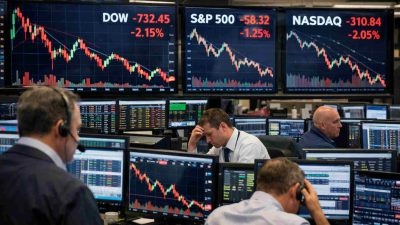

Warren Buffett, one of the most famous and influential investors in U.S. history, is retiring after decades at the helm of Berkshire Hathaway. As he steps down, one of his best-known market tools, the Buffett Indicator, is drawing fresh attention from analysts and individual investors alike.
The Buffett Indicator is a valuation measure that compares the total size of the U.S. stock market with the size of the U.S. economy. With valuations near historic highs, many observers are watching it closely as a gauge of overall market health.
Understanding what this indicator shows can help Americans put current stock market conditions in perspective as we head into 2026.
What Is the Buffett Indicator?
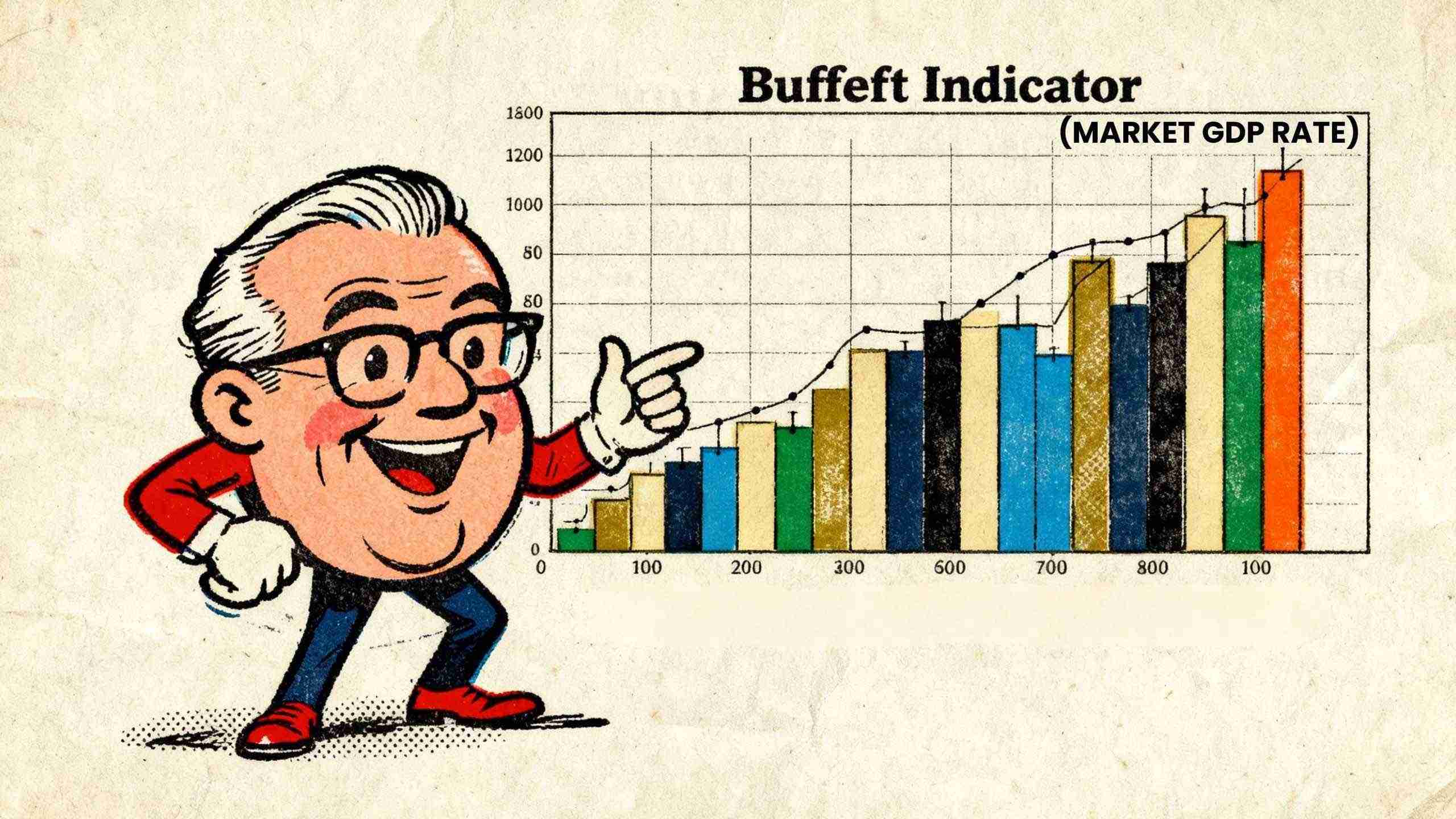
The Buffett Indicator is a simple ratio: the total market value of U.S. publicly traded companies divided by the country’s annual economic output. It was popularized by Buffett in the early 2000s as a broad way to assess whether the overall stock market is cheap, fair, or expensive relative to economic size.
If the ratio is low, stocks may be considered inexpensive on average. If it is high, markets may be overvalued, meaning investors are paying a lot for each dollar of economic output.
Warren Buffett Retires With a $184 Billion Market Warning for 2026
Why It’s High Now?
In late 2025, the ratio rose sharply and reached levels not seen before in history. This happened for two main reasons:
Stock prices climbed strongly throughout 2025, especially in technology, growth, and AI-linked stocks.
The total value of U.S. equities grew faster than the U.S. economy itself, causing the ratio to rise.
This kind of divergence, where stocks gain value faster than the economy grows, is unusual and historically rare.
Current Market Snapshot
| Measure | Typical Level | Current Level |
|---|---|---|
| Market value relative to GDP | Historically near economic parity | Well above average |
| Indicator trend | Moderate | Elevated and rising |
| Historical context | Rarely above 150% | Near or above record highs |
The indicator does not predict short-term moves, but a high reading suggests that overall stock valuations are above long-term norms.
Why It Matters to Americans
While the Buffett Indicator isn’t a precise timing tool, it can offer useful context:
Valuation Awareness: A high ratio doesn’t mean stocks will crash, but it signals that markets are expensive compared with the size of the economy.
Long-Term Risk Insight: Historically, very high readings have sometimes preceded periods of slower returns or increased volatility.
Investor Caution: For everyday investors, a stretched market may underscore the value of diversified approaches and long-term planning.
This doesn’t mean you should make dramatic changes based on one measure. Rather, it helps frame expectations around valuations and overall financial conditions.
Comparing Market Valuations Over Time
| Period | General Valuation Trend |
|---|---|
| Long-term historical average | Moderate valuation |
| 2021 “everything bubble” period | High valuation |
| Late 2025 | Record or near record valuations |
Market valuation moves over time can reflect economic growth, changes in interest rates, and investor sentiment.
How Buffett Used This Indicator
Buffett described this metric as one of the best single measures of market valuation, even while noting it has limitations. His logic was that if the total market value divided by economic output gets very high, investors may be paying a premium for future growth that is not yet reflected in actual economic activity.
This indicator is not meant to signal immediate buy or sell decisions, but rather to offer a big-picture view of market valuation relative to the underlying economy.
Practical Takeaways for Everyday Investors
Long-Term Focus Still Matters: Even in expensive markets, long-term goals and disciplined saving remain important.
Valuation Awareness Helps Planning: High valuations can coincide with lower future returns over many years, not sudden drops.
Diversification Reduces Risk: A diversified portfolio helps spread exposure rather than depending on any single market reading.
Conclusion
As Warren Buffett retires after decades of guiding one of the largest investment firms in the world, his favorite valuation indicator is reminding investors about the importance of perspective. The Buffett Indicator suggests that, relative to the U.S. economy, equities are valued at high levels. This doesn’t mean markets will fall immediately, but it may signal a need for careful, long-term planning and realistic expectations about future returns.
Frequently Asked Questions
What does the Buffett Indicator measure?
It compares the total value of U.S. stocks to the size of the U.S. economy, indicating whether markets may be overvalued or fairly priced.
Does a high reading mean a crash is coming?
No. A high reading signals historically elevated valuation levels, but it does not predict an immediate market crash.
Has the indicator been high before?
Yes. The indicator has reached elevated levels during previous market peaks and extended periods of bullish sentiment.
Should everyday investors change their portfolios because of this?
Investors are generally advised to focus on long-term goals and maintain diversified portfolios rather than reacting to a single indicator.
Why do high stock valuations matter?
High valuations may suggest that future returns could be lower on average, although markets can remain elevated for extended periods.
Warren Buffett’s favorite valuation measure, the Buffett Indicator, is at historically high levels as he retires. The indicator shows that U.S. stock prices are high compared with economic output, offering a broad valuation signal for long-term investors.