
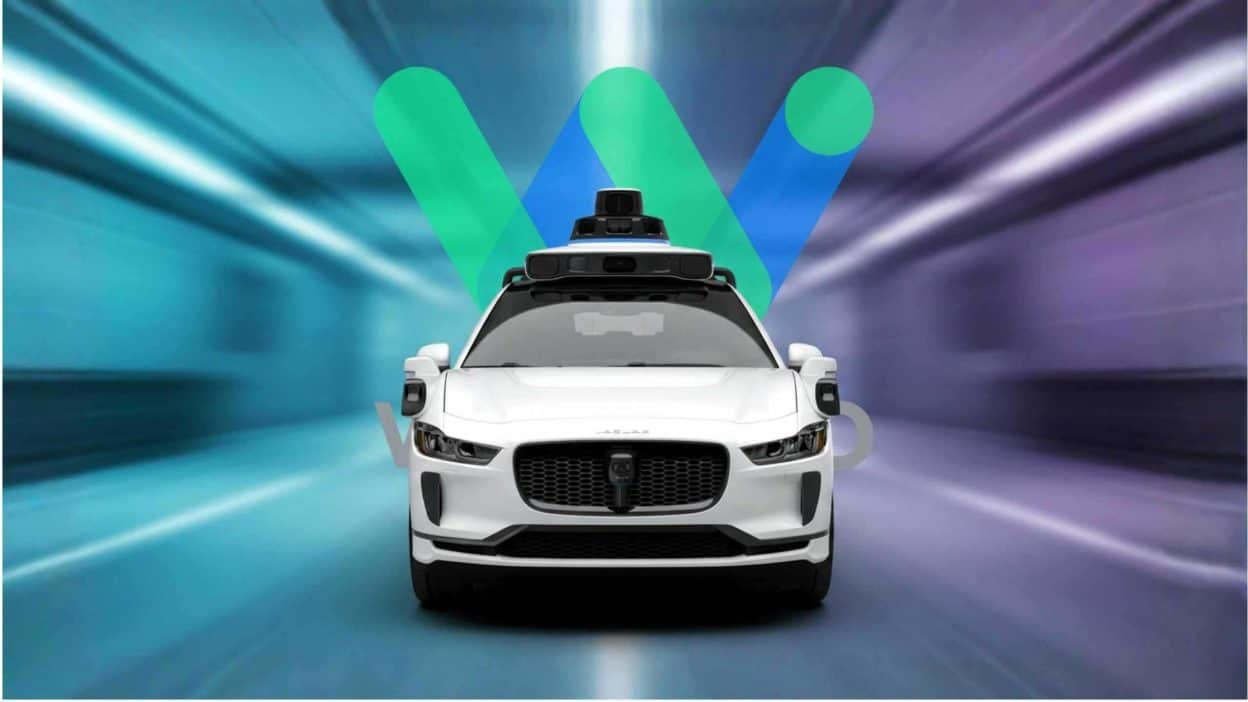
2026 may mark a turning point for Waymo, Alphabet’s autonomous driving unit, as the company plans to significantly expand its robotaxi network across the U.S. and potentially into international markets. After years of testing and gradual rollout, 2026 could be when Waymo shifts from niche service to broader scale in the robotaxi space.
For everyday Americans watching advances in driverless technology, this expansion highlights how self-driving services are evolving and may soon become a more visible part of urban transportation systems.
Why is this happening?
Waymo began as a Google self-driving project over a decade ago and has steadily built autonomous ride-hailing services in cities like San Francisco, Phoenix, Los Angeles, Austin, and Atlanta. Its robotaxis already provide hundreds of thousands of weekly trips, but 2026 is expected to bring the most aggressive expansion yet.
The company is targeting roughly 1 million robotaxi rides per week by the end of 2026, a fourfold increase from recent volumes. To reach this goal, Waymo plans to enter 20 new markets across the U.S., including major metropolitan areas such as Miami, Dallas, Houston, San Diego, Detroit, and Washington, D.C.
Current Expansion Snapshot
| Category | Current Status / 2026 Plans |
|---|---|
| Current robotaxi cities | San Francisco, Phoenix, Los Angeles, Austin, Atlanta |
| New U.S. markets planned | Miami, Dallas, Houston, San Antonio, Orlando, Las Vegas, San Diego, Detroit, Washington, D.C., and more |
| Weekly ride target (end of 2026) | ~1,000,000 trips |
| First international launch | London, planned for 2026 |
Waymo will begin service in some cities with human operators initially, then shift toward fully driverless operations as systems and regulations allow.
Why It Matters to Americans?
The rise of autonomous ride-hailing could affect daily life and broader economic patterns in several ways:
Transportation accessibility: Robotaxis may complement traditional transit and rideshares, especially in major cities with high demand for quick, on-demand trips.
Workforce and jobs: Automation could shift employment patterns in driving-related industries, requiring new skills and roles.
Urban mobility trends: Autonomous vehicles may influence how people think about car ownership, traffic congestion, and public transport planning.
Even if widespread robotaxi adoption remains years away, 2026 could be a milestone year in public exposure to autonomous services.
Comparing Growth Over Time
| Year | Key Robotaxi Development |
|---|---|
| 2020 | Waymo opened services to the public in limited areas |
| 2025 | Multiple U.S. city deployments and millions of rides completed |
| 2026 | Expansion to ~20 new U.S. markets and global testing |
This trajectory shows how Waymo is moving from early-stage experimentation toward broader commercial rollout.
Challenges and Practical Considerations
Even as Waymo expands, there are hurdles to broader adoption:
Regulatory requirements: Some cities require permits or phased rollout plans with operator oversight before full autonomy.
Technology readiness: Weather conditions like snow or heavy rain can challenge sensor systems, requiring careful validation and testing.
Public acceptance: Widespread use of driverless vehicles depends on user trust and demonstrated safety.
These factors mean that growth may be substantial in 2026, but adoption rates will vary by region and regulatory environment.
Practical Takeaways
Robotaxis aren’t just headlines: Expansion from a handful of cities to two dozen markets could make autonomous rides more common in 2026.
Service scale matters: Hitting a weekly target of 1 million rides reflects both technological progress and increasing demand.
Competition evolves: Other companies, including legacy rideshare operators and automakers, are also accelerating autonomous efforts.
Conclusion
Waymo’s aggressive expansion plans in 2026 could make it one of the first autonomous ride-hailing services to operate at a broader commercial scale. With goals to add dozens of new markets, significantly increase weekly rides, and begin international service, the next year could be pivotal in transforming robotaxis from a futuristic idea into a practical transportation option for many Americans.
Frequently Asked Questions
What makes 2026 significant for Waymo?
Waymo plans to expand into many new U.S. cities and sharply increase the number of weekly robotaxi trips.
How many rides does Waymo aim to provide by the end of 2026?
The company is targeting roughly 1 million robotaxi rides per week by the end of 2026.
Will Waymo operate outside the U.S.?
Yes. Waymo plans to launch service in London in 2026, marking its first major international deployment.
Are robotaxis fully driverless already?
In many new cities, Waymo will initially operate with human operators before transitioning to fully driverless service as technology and regulations allow.
What challenges remain?
Key challenges include regulatory approval, weather-related sensor limitations, and building public trust in autonomous vehicles.
Waymo aims to expand its robotaxi service into about 20 new markets and hit around 1 million weekly rides by the end of 2026, potentially making the year a breakthrough for autonomous ride-hailing services.