U.S. Announces Tariffs on European Countries in Unusual Trade Move
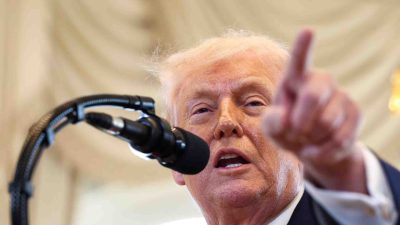
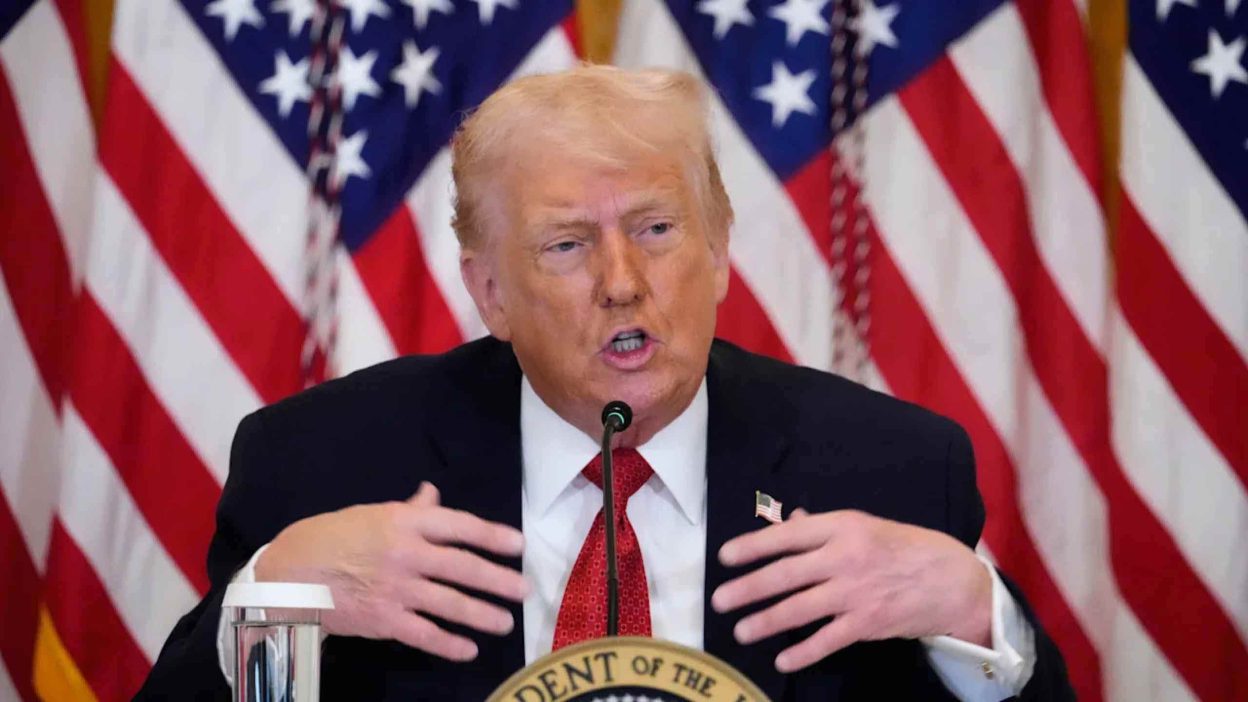
President Donald Trump announced plans to impose rising tariffs on imports from several European nations as part of a high-stakes push tied to his controversial interest in acquiring Greenland, a semi-autonomous territory of Denmark.
In a public message on his social media platform, Truth Social, Trump said the United States will begin charging a 10 % tariff on goods from eight European countries starting February 1, 2026, and raise the tariff to 25 % on June 1 if no agreement is reached for the “complete and total purchase of Greenland.”
Europe Holds $8 Trillion Sell America Leverage
Countries Targeted and Tariff Timeline
| Country | Phase 1 (Feb 1) | Phase 2 (Jun 1) |
|---|---|---|
| Denmark | 10 % | 25 % |
| Norway | 10 % | 25 % |
| Sweden | 10 % | 25 % |
| France | 10 % | 25 % |
| Germany | 10 % | 25 % |
| United Kingdom | 10 % | 25 % |
| Netherlands | 10 % | 25 % |
| Finland | 10 % | 25 % |
Tariffs will apply “to any goods” from these countries until a Greenland agreement is reached.
What Trump Said and Why
Trump framed the tariffs as a response to European nations he claims have interfered with U.S. interests surrounding Greenland, often citing national security and Arctic strategic concerns. He warned that the duties would remain “due and payable” until Greenland is sold to the United States — a proposition both Denmark and Greenland have repeatedly rejected.
The president also implied global geopolitical competition, particularly involving China and Russia, in the Arctic region.
European Rejection and Backlash
European leaders swiftly condemned the announcement:
France called the tariff threat “unacceptable” and warned it would not influence policy on Greenland.
Denmark, which retains authority over Greenland, rejected any notion of selling the territory.
Protests erupted in Copenhagen and Nuuk, Greenland’s capital, with demonstrators chanting opposition to the U.S. pressure.
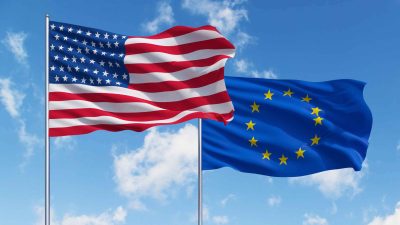
Officials also signaled that such tariffs could jeopardize ongoing U.S.–European trade cooperation and strain the transatlantic relationship.
U.S. Political and Legal Dynamics
Inside the United States, the move has drawn mixed reactions:
Some lawmakers from both parties have criticized the imposition of tariffs on allies.
Legal challenges loom as the U.S. Supreme Court is reviewing aspects of presidential authority to impose broad tariff measures.
Trade groups and companies have also voiced concern about how these duties could affect supply chains and pricing for U.S. consumers in sectors like manufacturing and auto parts.
Trump Proposes Peace Board Fee Asking Nations to Pay $1 Billion
Near-Term Outlook
• Tariffs start Feb. 1, 2026, and rise June 1 if no deal.
• European leaders emphasize sovereignty and alliance ties.
• Ongoing protests and diplomatic pushback may intensify if negotiations remain stalled.
• U.S. trade policy could face legal tests and new congressional scrutiny.
Practical Takeaways
• Tariffs are tied to geopolitics, not typical trade disputes.
• Eight European countries face escalating duties that affect all goods.
• Denmark and Greenland have rejected any sale of the island.
• The move has sparked widespread criticism and risks harming key alliances.
Conclusion
In an unprecedented escalation, President Trump has linked U.S. trade policy to his broader agenda on Greenland, introducing tariffs on major European partners with unclear long-term consequences. The strategy is likely to test diplomatic ties, legal frameworks, and global market confidence in transatlantic trade and security partnerships.
Frequently Asked Questions
Which European countries are affected by the new tariffs?
The measures apply to Denmark, Norway, Sweden, France, Germany, the United Kingdom, the Netherlands, and Finland.
When do the tariffs begin?
Tariffs start at 10% on Feb. 1, 2026, and are scheduled to increase to 25% on June 1, 2026.
Why has the U.S. tied tariffs to Greenland?
The administration cites national security and Arctic strategic interests related to Greenland, a position that Denmark has firmly rejected.
Are the tariffs permanent?
The tariffs are planned to remain in place until a Greenland purchase deal is signed, a condition Denmark has described as unacceptable.
What reactions have there been internationally?
European leaders have denounced the move as coercive, with protests reported in both Denmark and Greenland.
Could this affect NATO?
Yes. Officials warn the dispute could strain NATO unity and broader transatlantic cooperation.