
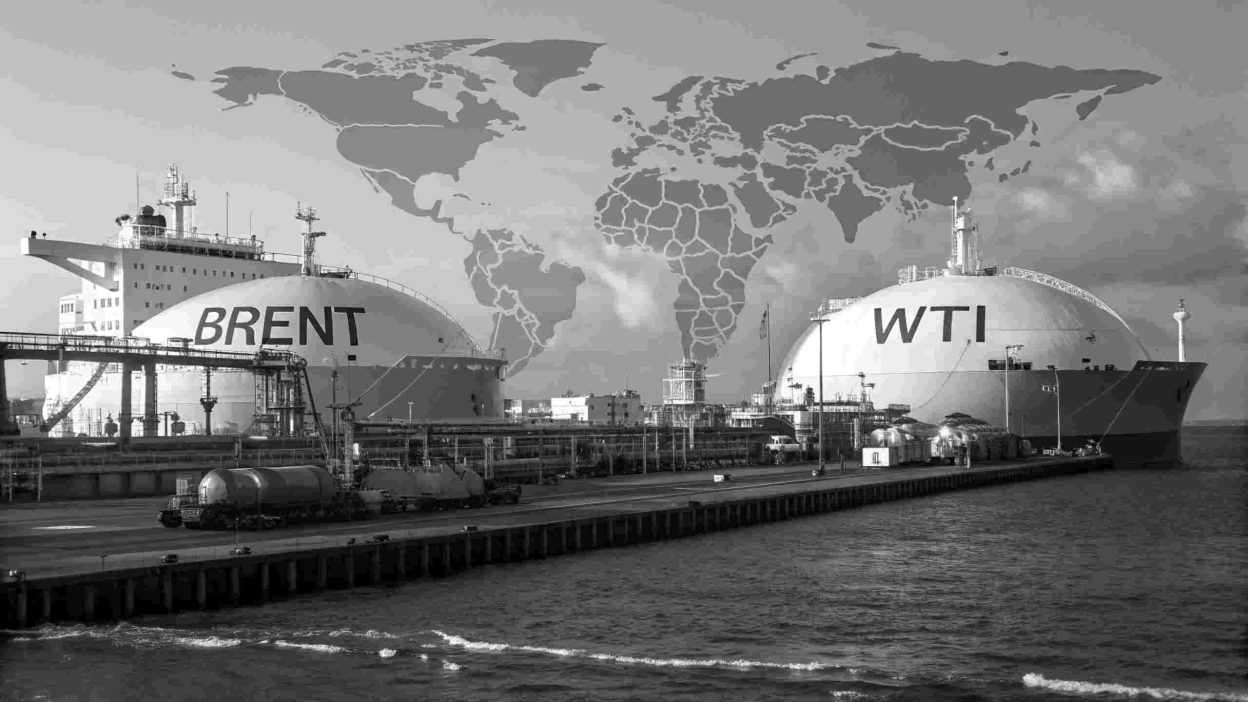
Oil prices held roughly steady in early trading as markets balanced expectations of ample global supply with uncertainties tied to Venezuela’s oil production and political turmoil. Brent crude hovered around the low-to-mid $60s per barrel, while U.S. West Texas Intermediate (WTI) remained near $59 per barrel amid a mix of geopolitical risk and supply-side pressure.
Investors are watching developments in U.S.–Venezuela relations, broader supply dynamics, and demand forecasts for 2026, making the oil market cautious but not sharply directional.
Market Dynamics: Supply vs. Geopolitics
Oversupply and Global Balance
Crude prices have been under pressure due to forecasts of abundant supply in 2026, with major producers maintaining output and global inventories remaining elevated. Analysts cite a prospective surplus and little near-term tightening despite geopolitical headlines.
Global benchmarks reflect this mixed backdrop:
Brent crude: around ~$62–63 per barrel
WTI crude: around ~$58–59 per barrel
Market watchers note a lack of strong breakout momentum as bulls and bears contest direction.
Venezuela’s Complex Oil Story
Political changes in Venezuela, including the capture of President Nicolás Maduro, have added layers of uncertainty. While Venezuela holds some of the largest proven oil reserves in the world, its current output is below 1 million barrels per day, limiting immediate market impact.
Some analysts suggest that any future revival of Venezuelan production could add to supply, potentially widening an already visible surplus.
However, investor confidence in such a scenario remains muted until production infrastructure is modernized and legal protections are clarified, especially after years of sanctions and underinvestment.
Price Snapshot
| Benchmark | Approximate Level | Recent Trend |
|---|---|---|
| Brent crude | ~$62–63 per barrel | Stable but influenced by geopolitical news |
| WTI crude | ~$58–59 per barrel | Slightly steady, range-bound |
| Market outlook | Mixed signals | Supply concerns vs. geopolitical risk |
Markets continue to interpret the supply outlook, Venezuelan volatility, and broader macro conditions such as U.S. monetary expectations.
Why It Matters to Americans
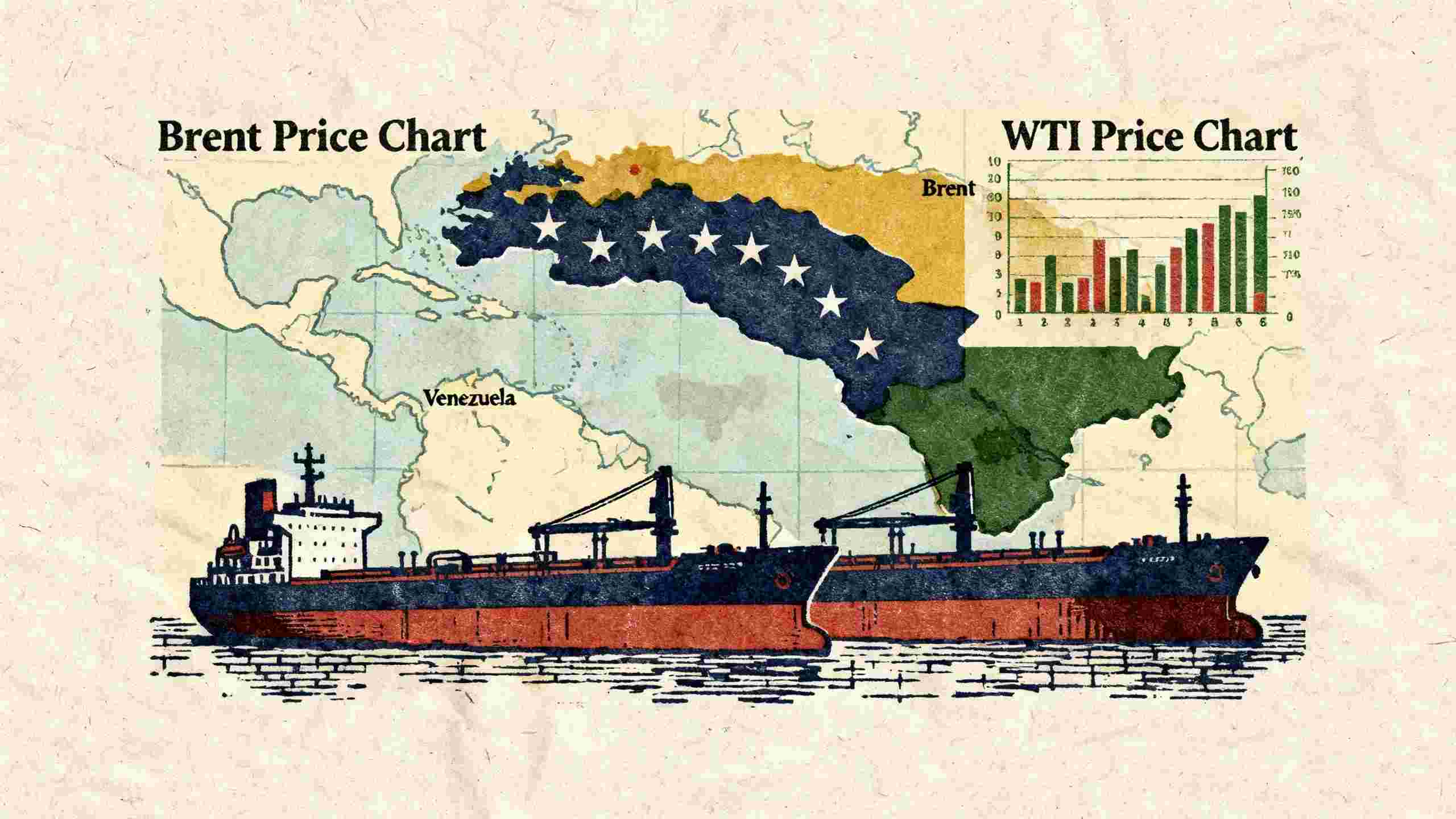
1. Gasoline and Fuel Costs
Oil price stability, especially around current levels, helps moderate gasoline prices at the pump, which directly affects household budgets. Volatility from geopolitical risks could lift prices if supply concerns intensify.
2. Energy Sector Stocks
Major U.S. oil companies such as ExxonMobil, Chevron, and ConocoPhillips have seen mixed investor reactions tied to shifting supply themes and access to Venezuela’s reserves. Some analysts note that changes in Venezuelan policy could benefit certain firms, though execution risks remain high.
3. Broader Market Sentiment
Oil prices influence inflation expectations and corporate earnings in energy-linked industries, feeding into investor decisions in equities and commodities alike.
Practical Takeaways
Oil is trading steady as traders balance oversupply risks with geopolitical uncertainties related to Venezuela.
Venezuela’s potential oil output revival is still seen as a longer-term theme, not an immediate driver.
Global supply dynamics and demand forecasts for 2026 are central to near-term pricing.
Oil prices remained relatively steady as investors weighed conflicting signals from global crude supply forecasts and geopolitical developments, particularly regarding Venezuela. While persistent oversupply expectations have capped strong price rallies, strategic uncertainty about Venezuelan production and other supply-side events continues to create a nuanced and cautious market environment.
Frequently Asked Questions
Why are oil prices steady instead of sharply rising?
Oil prices are relatively steady because analysts expect a global oil supply surplus in 2026 due to strong production from OPEC+ and other producers, which offsets short‑term geopolitical risk. :contentReference[oaicite:0]{index=0}
Does Venezuela’s political situation affect oil prices?
Yes, geopolitical developments involving Venezuela can add volatility and risk premiums, but production remains constrained, and any impact on prices is muted unless output rises significantly. :contentReference[oaicite:1]{index=1}
Are U.S. oil companies benefiting from this situation?
Some investors see potential upside for U.S. energy companies with exposure to Venezuelan assets if production rebounds, but this would take years of investment and infrastructure rebuilding. :contentReference[oaicite:2]{index=2}
How might gasoline prices be affected?
If oil prices remain stable because of ample supply, gasoline prices are likely to stay manageable; only major supply disruptions could cause significant fuel cost increases. :contentReference[oaicite:3]{index=3}
What’s next for oil markets?
Investors will watch supply forecasts, OPEC+ production decisions, and geopolitical developments — including Middle East tensions and any significant changes in Venezuelan output. :contentReference[oaicite:4]{index=4}
Oil prices held relatively steady as markets balanced expectations of a global supply surplus against geopolitical uncertainties, including Venezuela, leaving crude benchmarks range-bound with cautious investor sentiment.