
Nepal’s political landscape has been marked by a historic moment with the appointment of Sushila Karki as the country’s first female Prime Minister. This landmark event, which took place on September 12, 2025, has sent a powerful message about progress and the potential for a new era of governance.
Sushila Karki’s journey from a distinguished jurist to the nation’s highest executive office is not just a personal achievement but a national one, symbolizing a push for integrity and a break from the past.
This article aims to provide a comprehensive look at her life, career, and the significance of her role, all while clarifying common misconceptions surrounding her appointment.
Who is Sushila Karki?
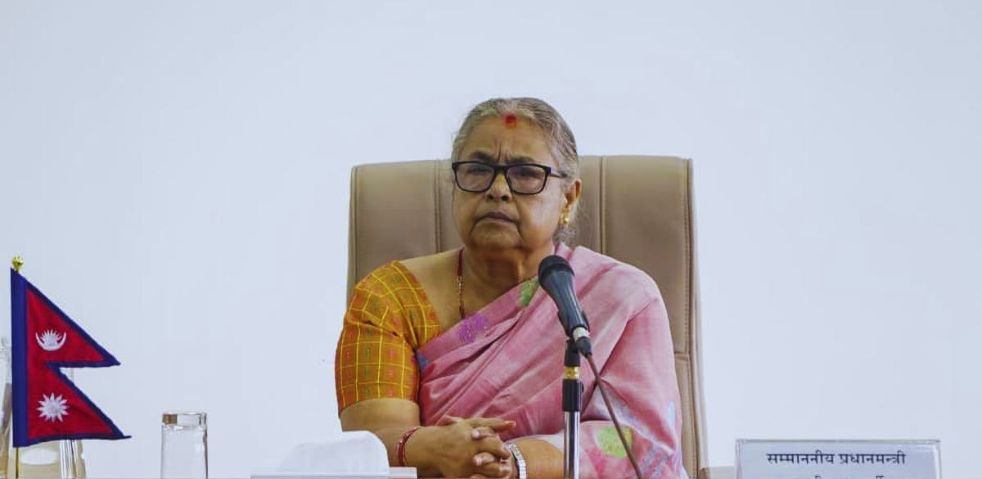
Sushila Karki, born on June 7, 1952, has always been a pathbreaker in her journey. She grew up in a simple farming family in Biratnagar, where her parents strongly supported her education. Their encouragement helped her focus on learning, which later shaped her path toward knowledge and justice.
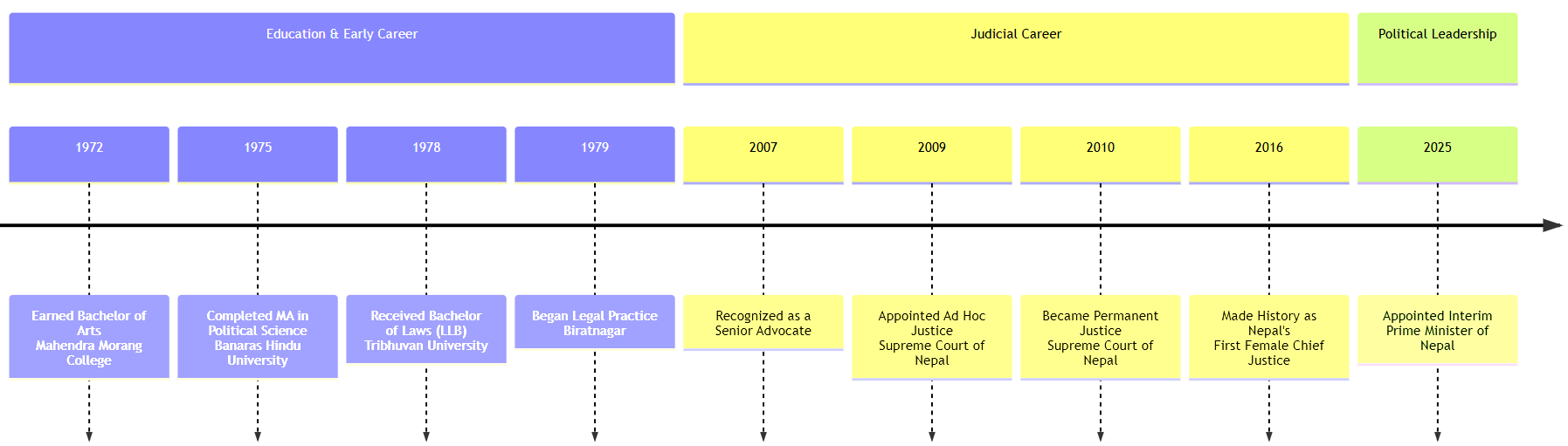
Academic and Career Journey: A Timeline
Karki’s career is defined by a consistent rise through the ranks of Nepal’s legal system, ending with her important appointment to the top positions in both the judiciary and the government.
Her legal career is widely respected for its independence and her commitment to the rule of law. She gained a reputation for taking on high-profile corruption cases, and her decisions often challenged powerful politicians, earning her both praise and criticism.
Clarifying Misconceptions: The First Female PM
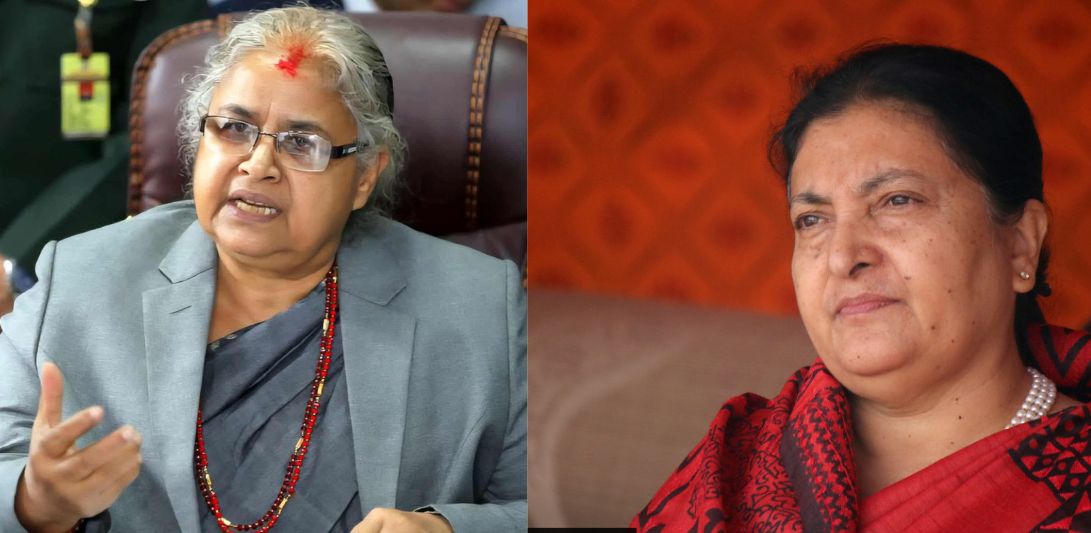
A key point of clarification is the distinction between Nepal’s President and its Prime Minister. While Nepal has had a female president, Bidya Devi Bhandari, who served from 2015 to 2023, the role of Prime Minister is distinct. The President is the ceremonial head of state, whereas the Prime Minister is the head of government and holds executive power.
Sushila Karki becoming the 42nd Prime Minister of Nepal is the first time a woman has held this top position in the country. She is not only the first female leader but was also chosen for being politically neutral and honest, showing the public’s strong desire for change.
From Judicial to Executive Power: The Significance of Her Appointment
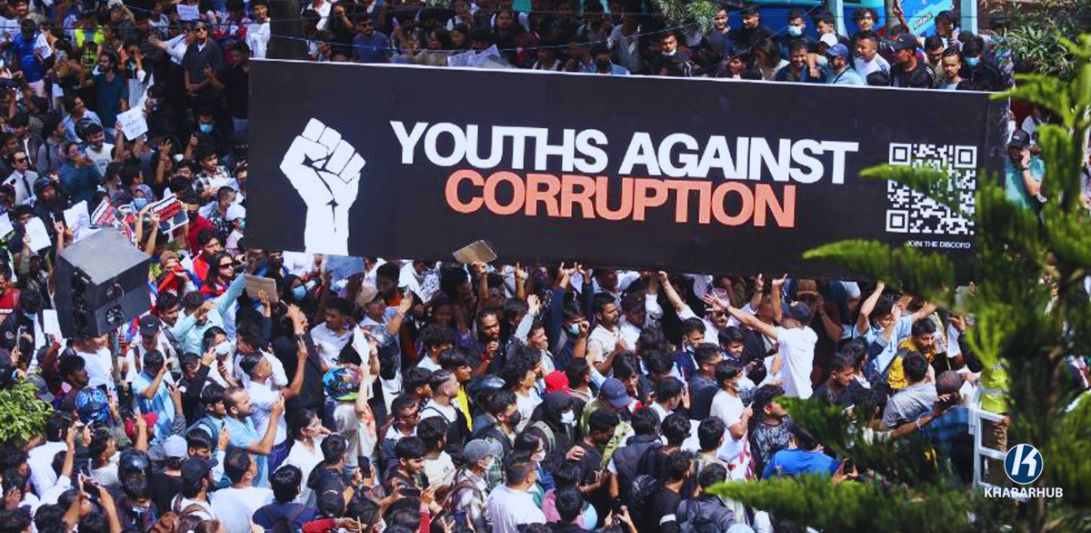
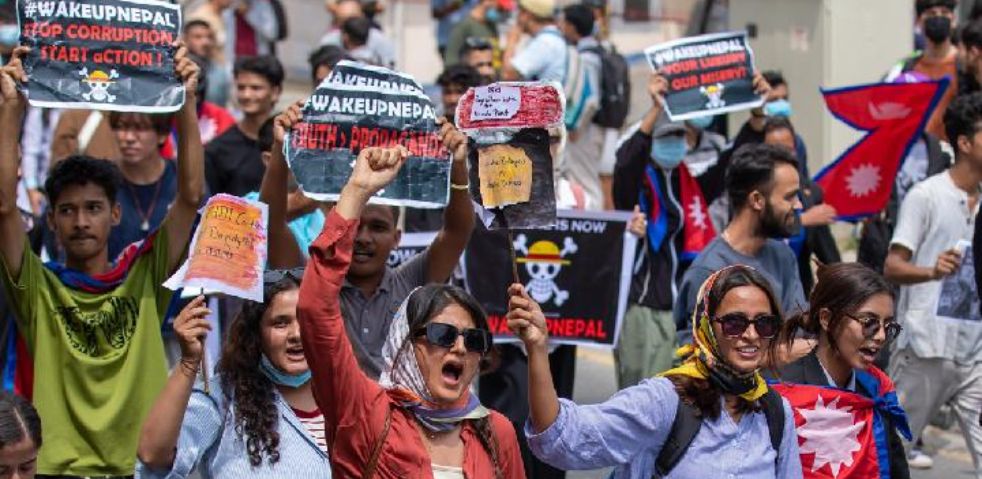
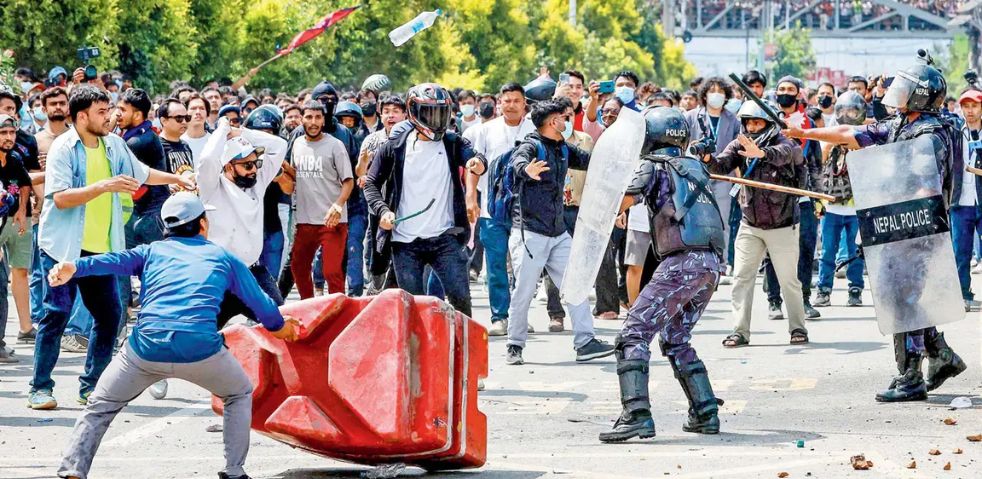
Karki’s transition from the judiciary to the executive is rooted in the recent nationwide “Gen Z” protests. These youth-led demonstrations, fueled by frustration over corruption, nepotism, and political stagnation, created a power vacuum. The protesters and key stakeholders, including the President and the Army, turned to Karki as a unifying and trustworthy figure. Her judicial legacy of holding the powerful accountable made her the ideal candidate to lead an interim government.
Key Roles and Responsibilities of the Interim Government
Karki’s appointment as interim Prime Minister comes with a specific, crucial mandate. Her primary responsibilities include:
- Restoring Stability: Her government is tasked with de-escalating the political crisis and restoring public order following the protests.
- Dissolving Parliament: As one of her first official acts, she dissolved the House of Representatives to pave the way for a fresh start.
- Preparing for Elections: Her most important task is to organize and conduct free and fair general elections within six months, with a scheduled date of March 5, 2026.
Her leadership is not about a long-term political agenda but about ensuring a smooth and transparent transition of power. This non-partisan, time-bound role is precisely what the protesters had demanded, and it highlights her unique position as a figure above party politics.
A Hope for the Future: Karki’s Impact on Nepal
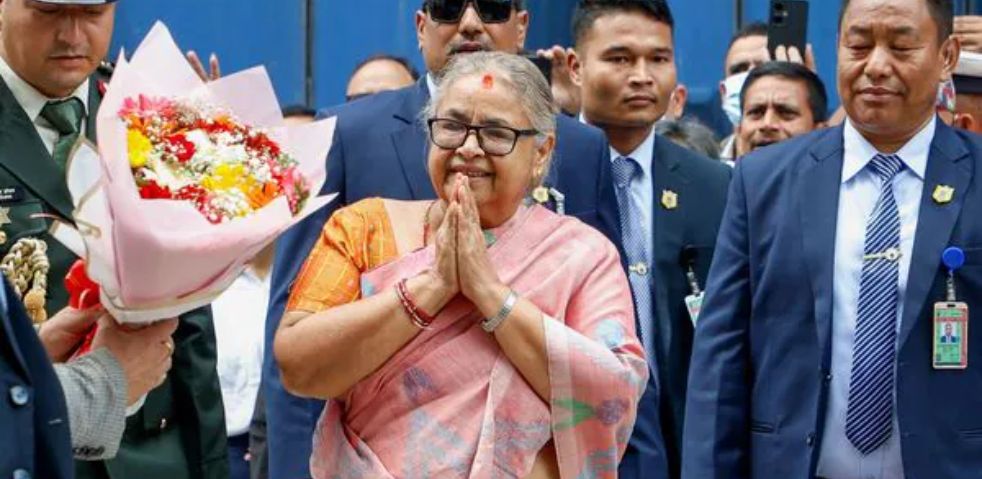
Sushila Karki’s appointment is a sign of hope and progress for Nepal. It shows that honesty, character, and a strong record can matter more than political connections. For women and girls across the country, she is a powerful role model, breaking barriers in a male-dominated society. Her firm stand against corruption gives hope that the government can become more accountable and transparent. As Nepal goes through this important transition, the world will watch to see if its historic leadership brings stability and better governance.