
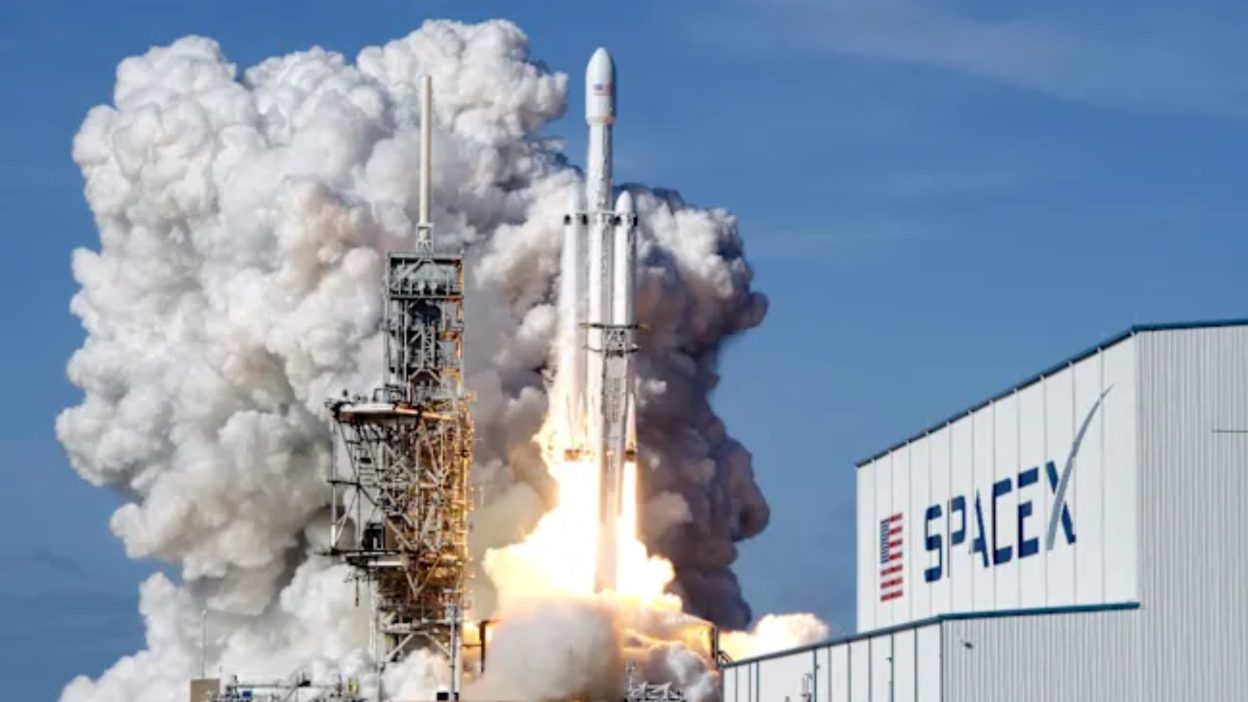
In a historic move for the aerospace and financial sectors, SpaceX has officially filed its Form S-1 registration statement with the SEC. Long-guarded as one of the world’s most valuable private entities, the rocket company’s preliminary IPO prospectus finally offers the public and institutional investors an unprecedented look into its balance sheets, profit margins, and revenue streams.
The filing marks the beginning of the company’s official transition to the public market, setting the stage for an investor roadshow planned for June 5 and what could be one of the largest corporate listings in history.
The Financial Breakdown: Revenue and Profitability
For years, Wall Street could only estimate the financial health of the rocket manufacturing and satellite internet giant. The official prospectus reveals strong operational metrics driven by its two primary business units:
Starlink Momentum: The satellite internet division, Starlink, accounts for a major portion of the company’s recurring revenue. The filing shows a massive expansion in global subscriber numbers, pushing the segment into steady profitability.
Launch Services: Core rocket launch operations—powered by Falcon 9, Falcon Heavy, and ongoing development investments into Starship—continue to maintain a dominant share of the commercial and government launch markets.
Net Income: Contrary to historical tech-heavy IPOs that debut with deep losses, the prospectus indicates that SpaceX has achieved positive net income, bolstered by high launch cadences and predictable government contract milestones.
Strategic Capital Allocation
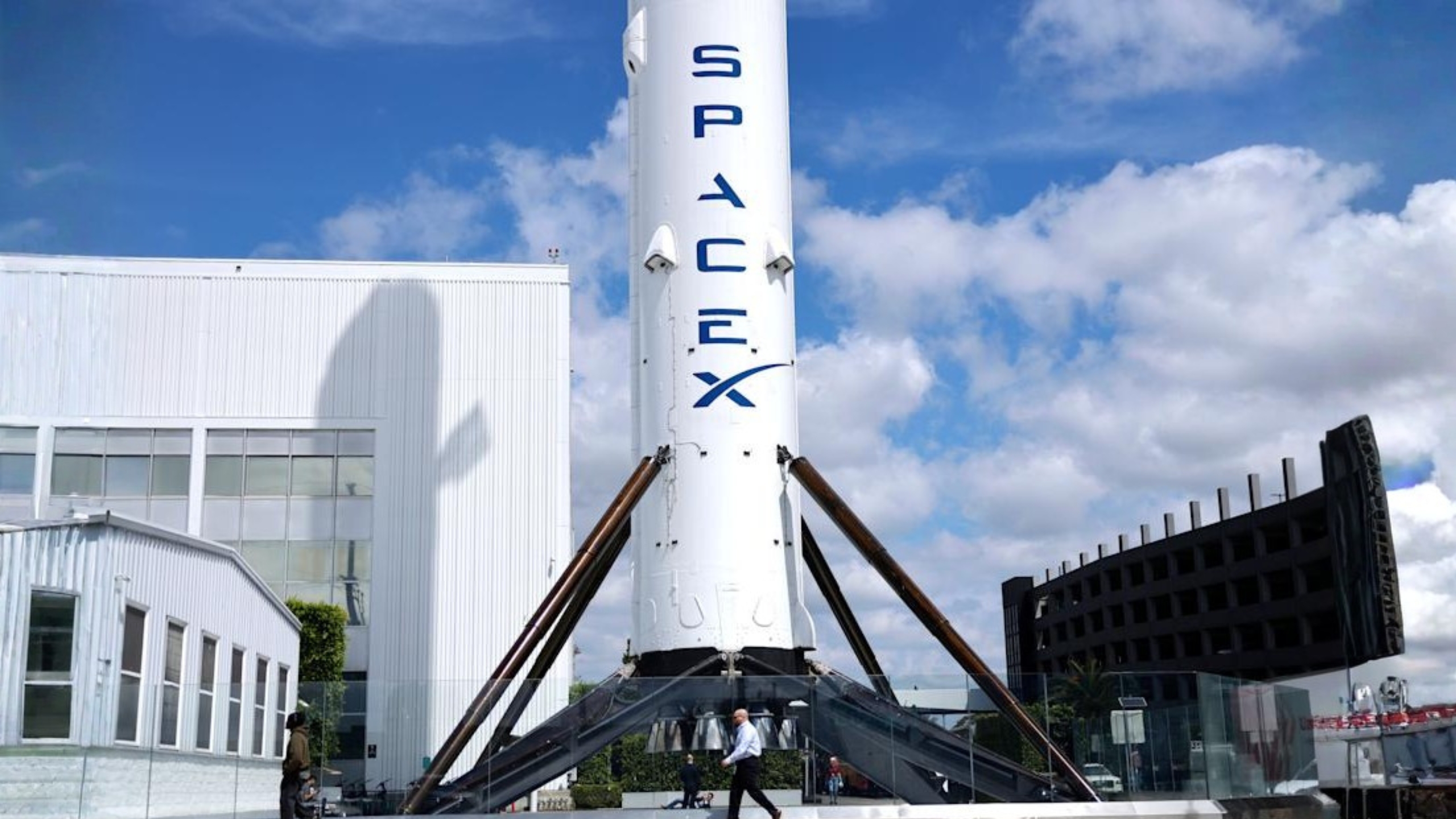
The prospectus details exactly where the newly raised capital from the public offering will be directed. SpaceX has outlined several capital-intensive goals:
Starship Development: Accelerating the production and deep-space testing of its next-generation launch vehicle to support future lunar and orbital missions.
Next-Gen Starlink Constellation: Deploying advanced hardware to expand network capacity, reduce latency, and capture broader enterprise and maritime broadband markets.
Infrastructure Scaling: Expanding launch pad capabilities at both Starbase in Texas and the Kennedy Space Center in Florida to accommodate high-frequency flight schedules.
Key Takeaways for Potential Investors
As financial analysts digest the extensive filing, early observations point to a few critical areas for market participants to watch:
Valuation Premium: SpaceX is entering the public market at a premium valuation, meaning high growth expectations are already baked into the initial stock price.
Capital Expenditures: While current operations are profitable, the sheer scale of building deep-space infrastructure means the company will continue to cycle massive amounts of capital back into research and development.
Contract Backlog: A major highlight of the prospectus is the company’s multi-billion-dollar backlog of commercial and government contracts (including NASA and the U.S. Space Force), providing a highly predictable long-term revenue cushion.