
Gold prices edged lower and steadied this week as traders shifted focus from geopolitical tensions to upcoming U.S. economic data, especially key reports like the jobs numbers that could influence Federal Reserve policy.
Bullion hovered near $4,470 an ounce, down slightly after recent gains, as markets balanced safe-haven demand with data-driven signals on inflation and interest rates.
For U.S. investors, this highlights how precious metals now react not just to geopolitical headlines but also to shifts in economic expectations tied to jobs, manufacturing, and monetary policy.
Why This Is Happening
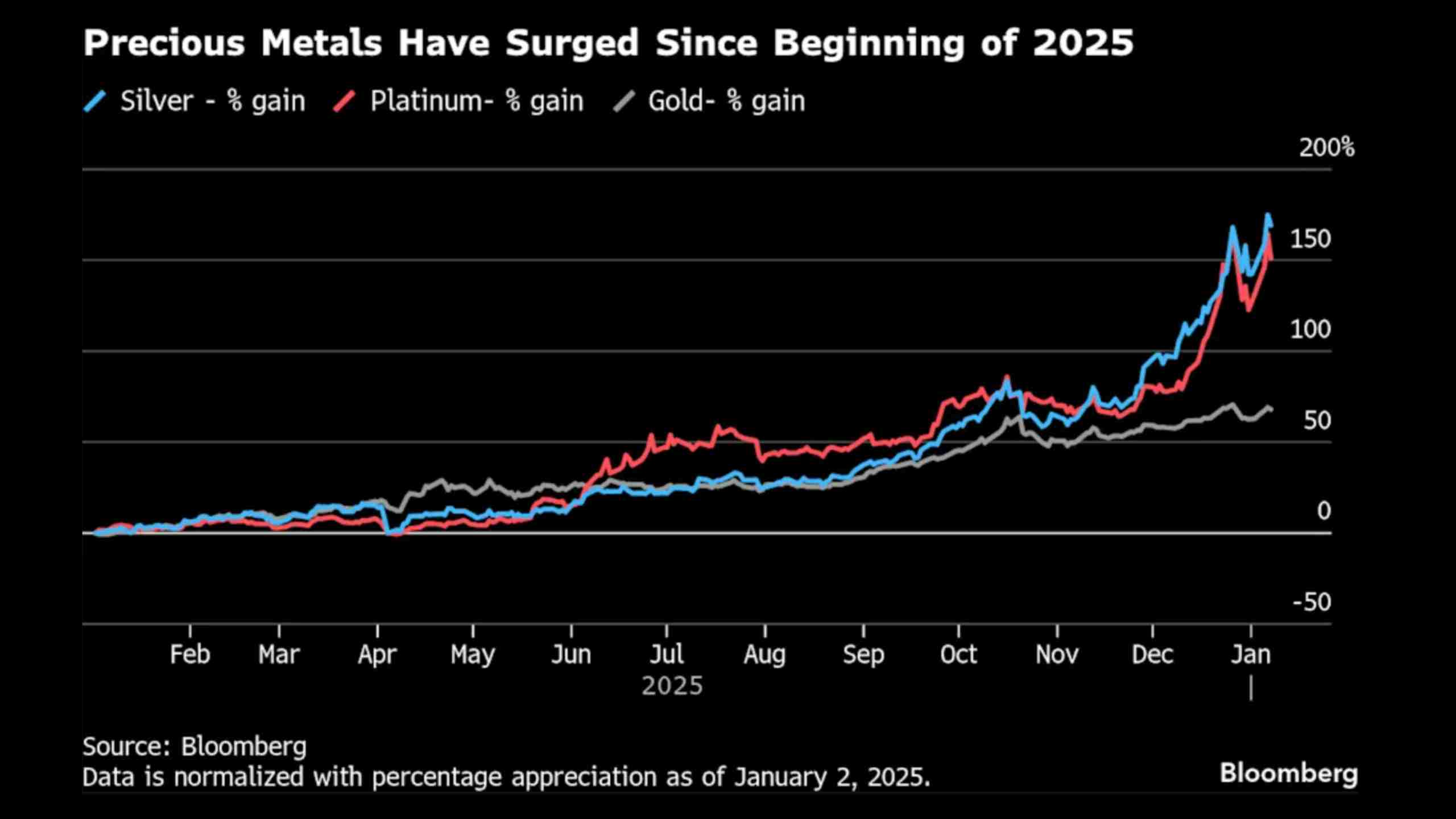
Gold has been on a remarkable run after one of its strongest performances since 1979, supported by central-bank buying, ETF flows, and bouts of risk aversion.
However, traders now appear to be looking past near-term geopolitical risk, including tensions in Venezuela and other hotspots, and concentrating on U.S. data such as employment, manufacturing, and inflation reports that could influence Fed policy.
Market participants are particularly attentive to signs that the U.S. economy may slow enough to justify further interest rate cuts, which typically support gold’s price by reducing real yields.
Current Market Snapshot
| Indicator | Current Behavior |
|---|---|
| Gold price | Around $4,470/oz, steadied |
| Recent trend | Slight pullback after strong run |
| Driver | Shift from geopolitics to U.S. data focus |
| Investor mood | Cautious but still weighing safe-haven factors |
Recent data also suggests momentum may be transitioning from purely geopolitical drivers to those rooted in economic expectations for growth and policy.
Why It Matters to Americans
1. Fed Policy Influence
Gold reacts strongly to expectations about interest rates. If traders expect rate cuts due to slower jobs or inflation readings, this could support gold prices.
2. Safe-Haven vs. Data Sensitivity
While gold is a classic safe-haven asset during uncertainty, recent price behavior shows markets are also sensitive to domestic economic indicators that guide monetary policy.
3. Diversification Considerations
For investors balancing equity and fixed-income exposure, gold’s performance offers insight into how macroeconomic data and risk sentiment interplay. No direct up-to-date source link available
Comparisons: Gold’s Recent Moves vs. Past Patterns
| Time Frame | Driver | Price Behavior |
|---|---|---|
| Late 2025 | Safe-haven demand, record highs | Strong bullish trend |
| Early 2026 | Shift to U.S. economic data | Steady/ slightly lower |
| Long term | Fed cuts & central bank buying | Supportive tailwinds (analyst forecasts) |
This shows a transition phase where macro data expectations are pulling focus from short-term political risk.
Practical Takeaways
Economic signals matter: Gold’s direction may now depend on U.S. jobs, inflation, and manufacturing data more than immediate geopolitical headlines.
Stay diversified: Precious metals can act as a hedge, but price action reflects a blend of safe-haven flows and economic sentiment.
Watch interest rates: Traders will closely monitor Fed developments for clues on future rate moves and gold’s price trajectory.
Gold steadied after a brief pullback as markets weighed strong recent rallies and looked ahead to key U.S. economic data. While geopolitical factors still influence sentiment, this shift toward domestic economic indicators highlights how precious metals currently balance risk-off behavior with macroeconomic expectations.
Frequently Asked Questions
Why did gold prices pull back slightly?
Markets shifted focus from geopolitical risks to upcoming U.S. economic data that could influence interest rate expectations.
Does weaker data help gold?
Yes. Softer U.S. economic data can increase expectations for future rate cuts, which typically supports gold by lowering real yields.
Is gold still near record highs?
Yes. Despite the pullback, gold prices remain elevated after a strong rally in 2025, supported by sustained demand.
How do U.S. jobs figures affect gold?
Employment data influences Federal Reserve policy expectations. Weaker job numbers often boost gold prices, while strong data can pressure them.
Does gold still react to political risk?
Yes, but recent market behavior shows traders are weighing economic indicators alongside geopolitical developments.
Gold steadied near $4,470 per ounce as traders shifted focus from geopolitical headlines toward key U.S. economic data that could influence Federal Reserve policy and the metal’s outlook.