
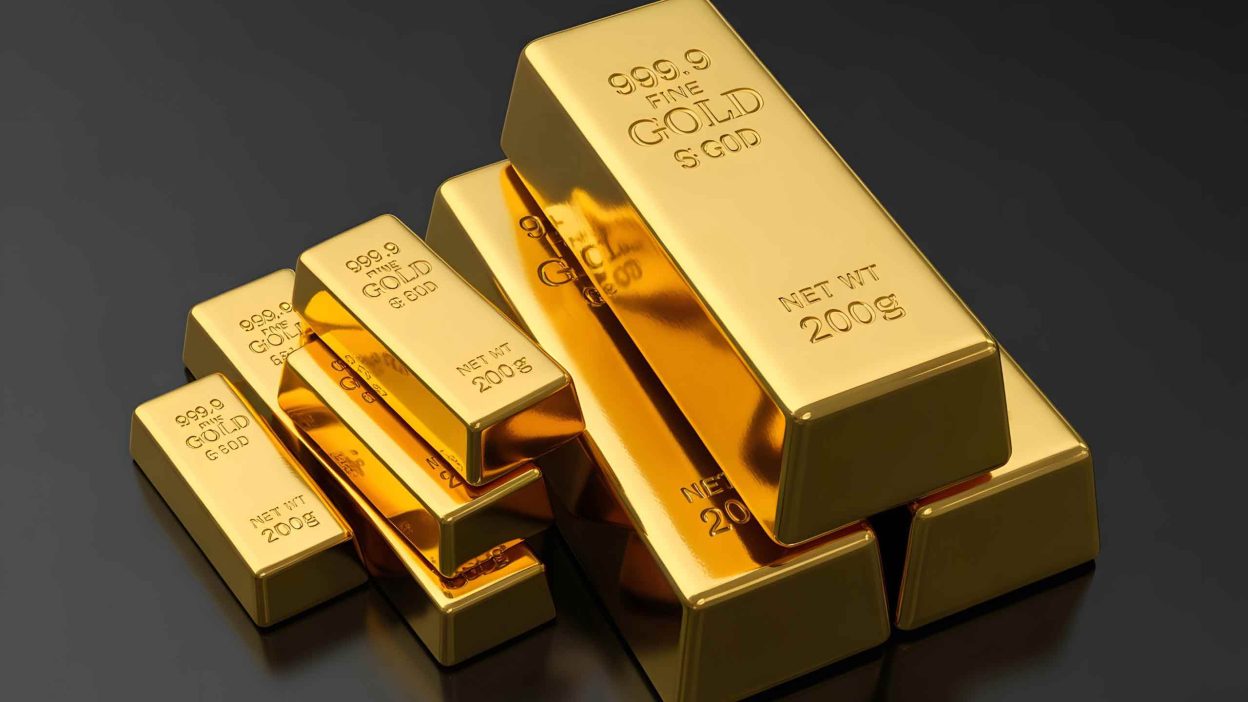
Precious Metals Rally Amid Global Risk and Trade Tensions
Gold prices surpassed $4,700 per ounce for the first time in history on Tuesday, January 20, 2026, marking a striking new all-time high for the safe-haven metal as investors reacted to mounting geopolitical and economic uncertainty. Spot gold climbed above $4,700, breaking past previous peaks, while silver also hovered near historic highs.
This milestone reflects deep shifts in market sentiment, with traders and institutions increasingly turning to gold as a hedge against risk in global markets.
What Happened to Gold Prices
Record Prices and Market Levels
| Metric | Level / Status |
|---|---|
| Gold price | Surpassed $4,700 per ounce — new all-time high |
| Spot gold peak | ~ $4,716.90 per oz on Jan. 20, 2026 |
| Silver prices | Also near record highs (~$95 per oz) |
| Futures markets | U.S. gold futures up strongly on price momentum |
Gold’s advance to record levels reflects a powerful move by investors to lock in perceived stability amid risk, and it is one of the fastest surges in recent years.
Gold Near Record High as Global Risk Boosts Safe-Haven Demand
What’s Driving the Gold Rally
Geopolitical and Trade Risk
One of the key drivers behind the latest gold surge is rising geopolitical tension and trade conflict concerns, especially related to the United States’ expanding tariff threats against several European countries. These trade tensions have weakened confidence in risk-asset markets and strengthened demand for gold as a safe-haven asset.
Risk Sentiment and Market Psychology
• Fears of broader economic slowdowns and potential global trade disruption have pushed investors into gold.
• A weaker U.S. dollar and anticipated monetary policy adjustments, including possible rate cuts, have boosted gold’s appeal.
• Central bank purchases and institutional buying have provided structural support to prices.
These factors often coincide in periods of uncertainty, prompting shifts in asset allocation toward traditional stores of value like gold.
Near-Term Market Outlook
• Volatility may continue: Traders will watch how global political tensions evolve and how central banks respond with monetary policy.
• Safe-haven flows may persist: Continued risk aversion could sustain demand for gold and other precious metals.
• Dollar and rate expectations matter: U.S. economic data and Federal Reserve cues on interest rates will influence bullion pricing.
• Analysts suggest the psychological $5,000 per ounce level could be on the horizon if uncertainty deepens.
Practical Takeaways
• Gold has reached a historic price above $4,700 per ounce, a level never seen before.
• Safe-haven demand is strong due to geopolitical and trade risks.
• Silver also remains elevated near record levels.
• Investors are watching central bank policy for clues on future direction.
Conclusion
Gold’s climb above $4,700 per ounce signals a powerful shift in investor behavior toward safety and risk protection as global uncertainty grows. Fueled by trade tensions, geopolitical risk, and expectations for monetary easing, this record-breaking rally in precious metals highlights how markets prioritize gold during turbulent periods. Whether prices continue higher, potentially testing psychologically significant milestones, depends on how external risks unfold in the coming months.
FAQ
Q: Why did gold break $4,700 per ounce?
Record demand for safety amid geopolitical and trade tensions lifted prices past $4,700 per ounce.
Q: Is silver also at a record?
Silver prices have approached and occasionally set new highs as well during the metals rally.
Q: Does a weak dollar boost gold prices?
Yes, a softer dollar makes gold more attractive to international buyers and supports higher prices.
Q: Could gold reach $5,000 per ounce?
Some analysts believe it’s possible if uncertainty deepens further, but markets remain volatile.
Q: What else influences gold prices?
Monetary policy expectations, central bank buying, and investor risk sentiment are key drivers.
Content Summary
• Gold surpassed $4,700 per ounce for the first time on January 20, 2026.
• Safe-haven demand and geopolitical risks are primary drivers.
• Silver remains near record highs, reflecting broader precious metal strength.
• Outlook depends on economic policy and global political developments.