
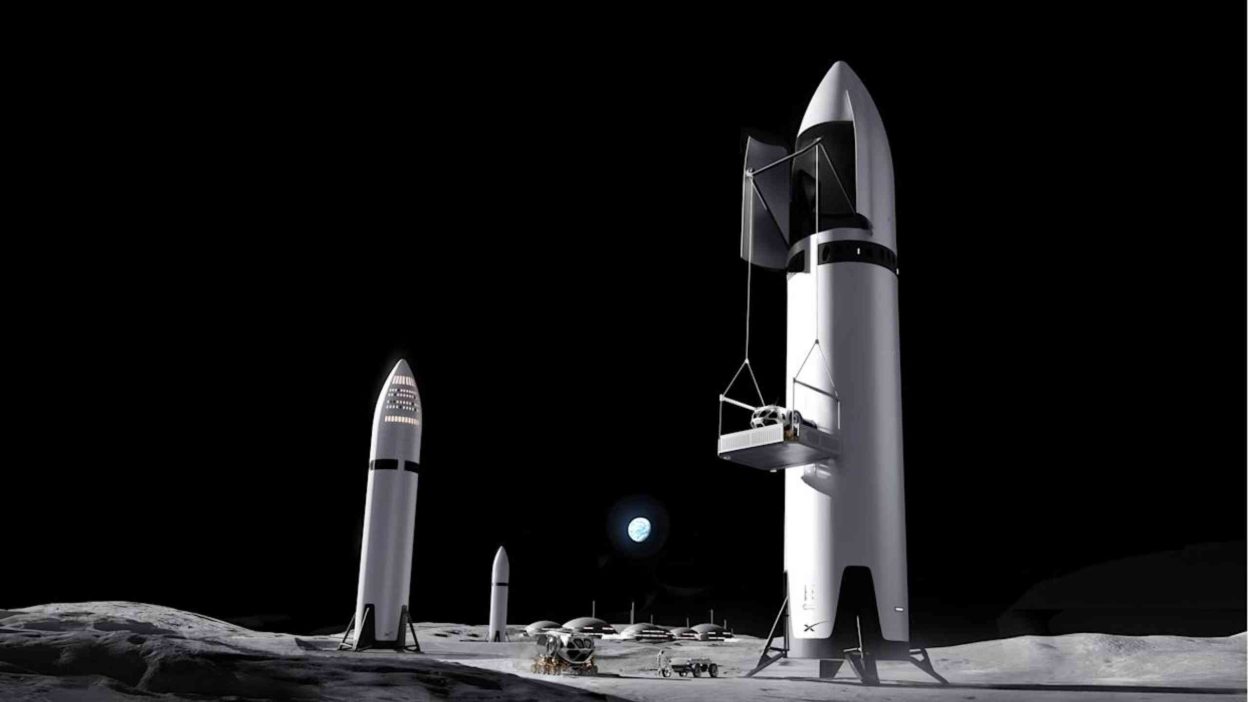
Elon Musk has announced a major shift in SpaceX’s strategic goals, moving the company’s near‑term focus from Mars to building a “self‑growing city” on the Moon. Musk said the lunar project could be completed in less than 10 years, a faster timeline than similar efforts aimed at Mars. The change comes as SpaceX prepares for a potential initial public offering (IPO) that could raise substantial capital later this year.
This marks a significant adjustment in SpaceX’s long‑held exploration goals while aligning the company’s narrative with projects that may seem more achievable in the near future.
What SpaceX Is Planning Now
Moon City Priority
Musk wrote on his social media platform that SpaceX is now prioritizing the construction of a “self‑growing city” on the Moon. This initiative focuses on creating infrastructure and a sustained presence that could begin within the next decade.
He explained that lunar missions are logistically easier and more frequent because travel to the Moon can occur every 10 days and takes about two days, compared with missions to Mars, which are constrained by planetary alignments and take about six months.
Mars Plans Still in the Long Term
Musk also emphasized that SpaceX still plans to pursue Mars colonization, but on a longer timeline. The company may begin work on Mars settlements in five to seven years, after establishing the lunar city infrastructure first.
Why SpaceX Is Making This Shift
Faster Development Path
A lunar city may be achievable sooner than a Mars colony because of the Moon’s proximity and shorter travel times. Musk said this would allow SpaceX to iterate designs and build infrastructure more rapidly than on Mars.
IPO and Investor Messaging
The pivot comes as SpaceX prepares for a possible IPO this summer, which analysts expect could raise around $50 billion and value the company at up to $1.5 trillion. Focusing on lunar infrastructure, a simpler and more immediate goal than Mars colonization, may be designed to appeal to public market investors as SpaceX approaches listing discussions.
SpaceX and Broader Industry Context
Lunar Exploration Competition
SpaceX’s renewed Moon focus comes at a time when NASA’s Artemis program is planning human missions to the lunar surface in the late 2020s. SpaceX is a key contractor for Artemis lunar landers, and enhancing lunar strategy could strengthen its role in Moon missions.
Starlink and Other Revenue Streams
SpaceX’s primary revenue today comes from its Starlink satellite internet business. Starlink income and other commercial contracts may help fund broader exploration goals, including Moon city development and future Mars ambitions.
Why This Matters to Americans
Space Industry and Jobs
SpaceX’s shift could influence where engineers, contractors, and suppliers invest their skills. Increased focus on lunar infrastructure may create opportunities in aerospace, manufacturing, and robotics.
Public Market Interest
A successful SpaceX IPO could open space company investment to public investors and potentially reshape how the space economy is financed in the United States.
Bottom Line
SpaceX is reorienting its near‑term space exploration strategy, placing priority on building a “self‑growing city” on the Moon before expanding efforts toward Mars. Elon Musk says the lunar project could be more practical to complete within about a decade, while Mars remains part of long‑term goals. This shift comes as SpaceX prepares for an IPO that could raise tens of billions of dollars, potentially the largest in history.
Frequently Asked Questions
Why is SpaceX focusing on the Moon instead of Mars now?
Musk said the Moon offers shorter travel times and more frequent launch opportunities, which could make building a sustained lunar presence faster.
Will SpaceX still go to Mars?
Yes. Musk stated that Mars city plans remain but will occur later, after lunar infrastructure is developed.
Is SpaceX planning to go public?
Reports suggest SpaceX may pursue an IPO this summer, potentially raising around $50 billion.
How does Starlink fit into this strategy?
Starlink remains SpaceX’s major revenue source and could help fund exploration and infrastructure projects.
Elon Musk says SpaceX is shifting its near‑term focus to building a lunar city that could be completed in under 10 years, while maintaining Mars settlement plans for the long term. This pivot comes as SpaceX prepares for a possible IPO valuing the company in the trillions.