NVIDIA has become a household name in the world of technology, particularly in the realms of gaming, artificial intelligence (AI), and data centers. Founded in 1993 by Jensen Huang, Chris Malachowsky, and Curtis Priem, NVIDIA has since evolved from a small graphics card manufacturer to one of the most influential tech companies in the world today.
This blog will explore NVIDIA’s journey, its innovative products, and how it continues to shape the future of technology with next-generation GPUs, AI advancements, and emerging industries.
History and Evolution of NVIDIA
Early Days and Founding
NVIDIA’s roots lie in the development of graphics processing units (GPUs), initially targeting the gaming market. Their breakthrough came in 1999 with the introduction of the GeForce series, which revolutionized graphics for PCs and gaming consoles.
For a closer look at how NVIDIA’s GPUs are shaping the future of AI and data centers, check out our overview of AI-powered gaming
Major Milestones
Over the years, NVIDIA expanded beyond gaming into AI, autonomous vehicles, and cloud computing. A game-changer for the company was the launch of the CUDA architecture, which allowed for parallel processing, opening doors for AI and scientific research. In recent years, NVIDIA’s acquisitions, such as the purchase of Mellanox Technologies and the proposed acquisition of ARM Holdings, further strengthened its position in the semiconductor and cloud computing industries.
NVIDIA’s Role in the Graphics Industry
GeForce GPUs and Gaming
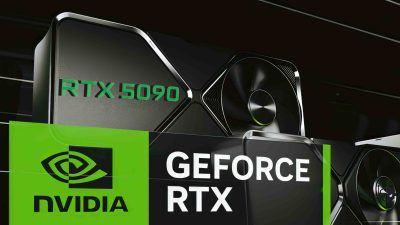
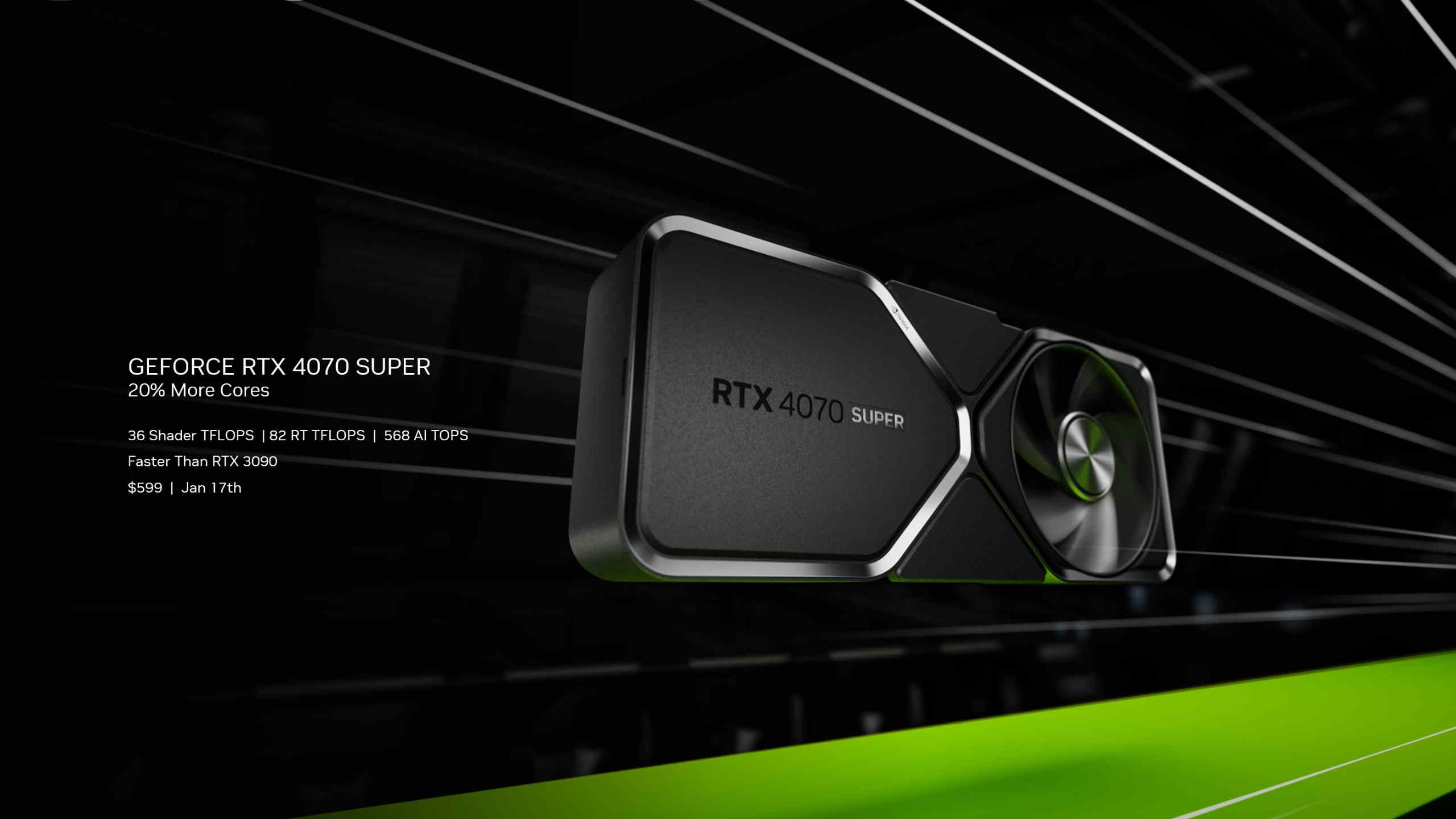
NVIDIA’s GeForce GPUs have been central to the gaming revolution. Known for their high performance and innovation, GeForce RTX cards, for instance, feature real-time ray tracing and DLSS (Deep Learning Super Sampling) technologies, delivering cutting-edge graphics and enhancing immersive gaming experiences. Whether it’s 4K gaming or virtual reality (VR), NVIDIA GPUs are the go-to choice for gamers and developers.
Ray Tracing and Real-Time Graphics Rendering
Real-time ray tracing allows for more accurate light, shadow, and reflection rendering. The RTX series made this technology mainstream, offering cinematic realism in real-time games. Combined with DLSS, which uses AI to upscale images with minimal performance loss, NVIDIA has set a new standard for real-time graphics.
NVIDIA and Artificial Intelligence
AI and Machine Learning
NVIDIA didn’t just stop at gaming. It quickly realized that GPUs were ideal for accelerating AI and machine learning (ML) workloads. NVIDIA’s CUDA platform enables massive parallel computing, which is perfect for training deep learning models. Their A100 Tensor Core GPUs are used by top AI researchers and tech companies worldwide.
To understand how NVIDIA’s AI-driven GPUs are transforming data centers, check out this section on how NVIDIA GPUs power cloud computing
Key AI Products
NVIDIA’s DGX systems and the Jetson platform are also widely adopted for AI development, from data centers to robotics. The company continues to lead in AI research, powering everything from healthcare applications to self-driving cars.
NVIDIA’s Semiconductor Chips: Powering the Future
Graphics Processing Units (GPUs)
NVIDIA’s GPU architectures have evolved significantly over the years, with each generation offering more computational power and efficiency. Kepler, Maxwell, Pascal, Turing, Ampere, and the upcoming Hopper architectures showcase NVIDIA’s dedication to pushing the boundaries of GPU performance.
System on a Chip (SoC)
NVIDIA’s Tegra SoC is found in everything from smartphones to gaming consoles, such as the Nintendo Switch. These chips are highly efficient and integrate the power of GPUs with CPUs, memory, and connectivity, making them ideal for mobile and autonomous vehicle applications.
NVIDIA’s Role in the Autonomous Vehicle Industry
NVIDIA Drive Platform
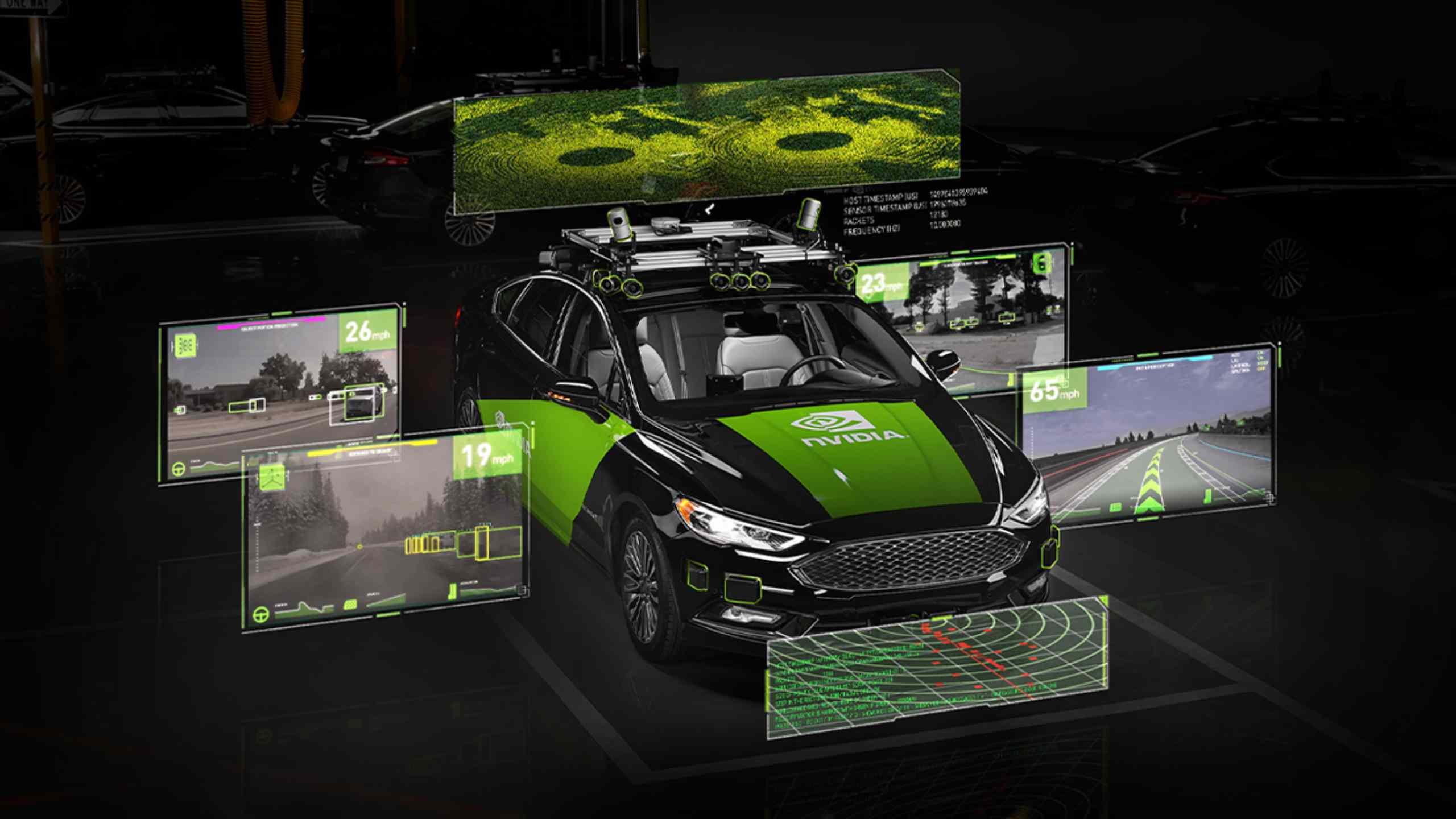
NVIDIA’s Drive PX and Drive Orin platforms are transforming the autonomous vehicle industry by integrating AI into the heart of self-driving cars. These systems process data from cameras, LiDAR, and radar sensors to make real-time decisions, ensuring safe and efficient driving.
Partnerships with Automakers
NVIDIA has partnered with major automakers like Tesla, Audi, and Volvo to bring AI-driven innovations to their vehicles. This collaboration is pushing the boundaries of autonomous driving technology and moving us closer to a future of fully autonomous cars.
NVIDIA’s Influence on Data Centers and Cloud Computing
Data Center Solutions
NVIDIA is a leader in data center solutions with products like NVIDIA DGX systems, which are purpose-built for AI and high-performance computing (HPC) workloads. Their GPUs are critical in powering cloud computing platforms and services, particularly in fields such as scientific research, AI, and gaming.
The Mellanox Acquisition
In 2020, NVIDIA acquired Mellanox Technologies, a leader in networking hardware. This acquisition significantly boosted NVIDIA’s data center business by offering high-speed networking solutions that complement their GPU-based products. This is vital for modern AI and cloud applications.
Upcoming Technologies and Innovations
Next-Generation GPUs
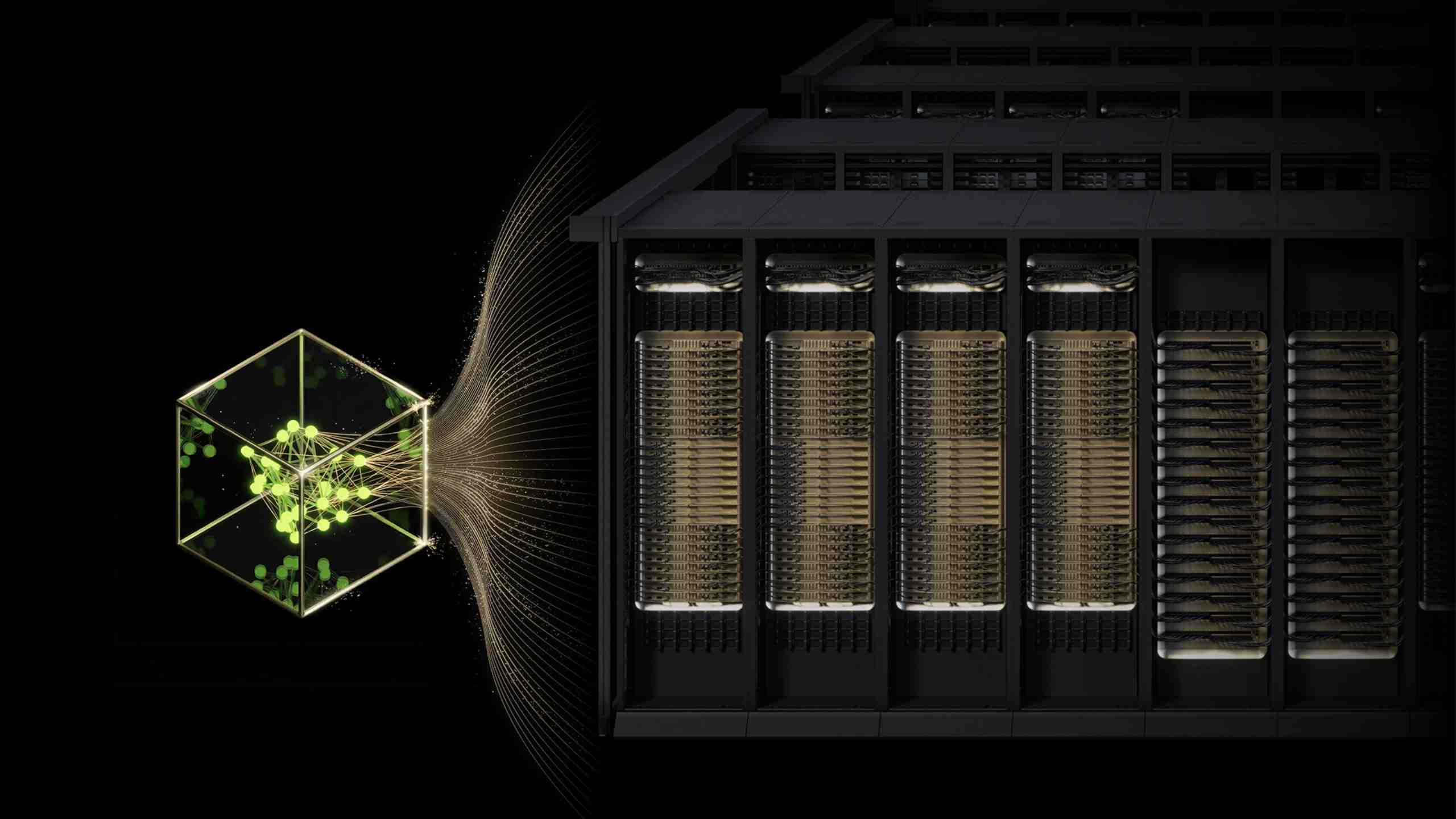
NVIDIA is already working on the next generation of GPUs, which will further push the limits of AI, gaming, and computational performance. The Ada Lovelace and Hopper architectures promise greater energy efficiency, enhanced AI capabilities, and unprecedented graphics performance.
Quantum Computing and Future Prospects
NVIDIA is also exploring quantum computing, a technology that could revolutionize computing power. With their AI-driven research and involvement in quantum hardware development, NVIDIA is preparing for the next big leap in technology.
Bottom Line
NVIDIA has truly transformed from a gaming graphics card company into a leader in AI, autonomous vehicles, and data centers. Its innovations in GPUs, AI technologies, and autonomous driving solutions have set new standards across multiple industries. With a strong portfolio of products and a forward-thinking approach to future technologies, NVIDIA is well-positioned to continue leading the tech revolution for years to come.