
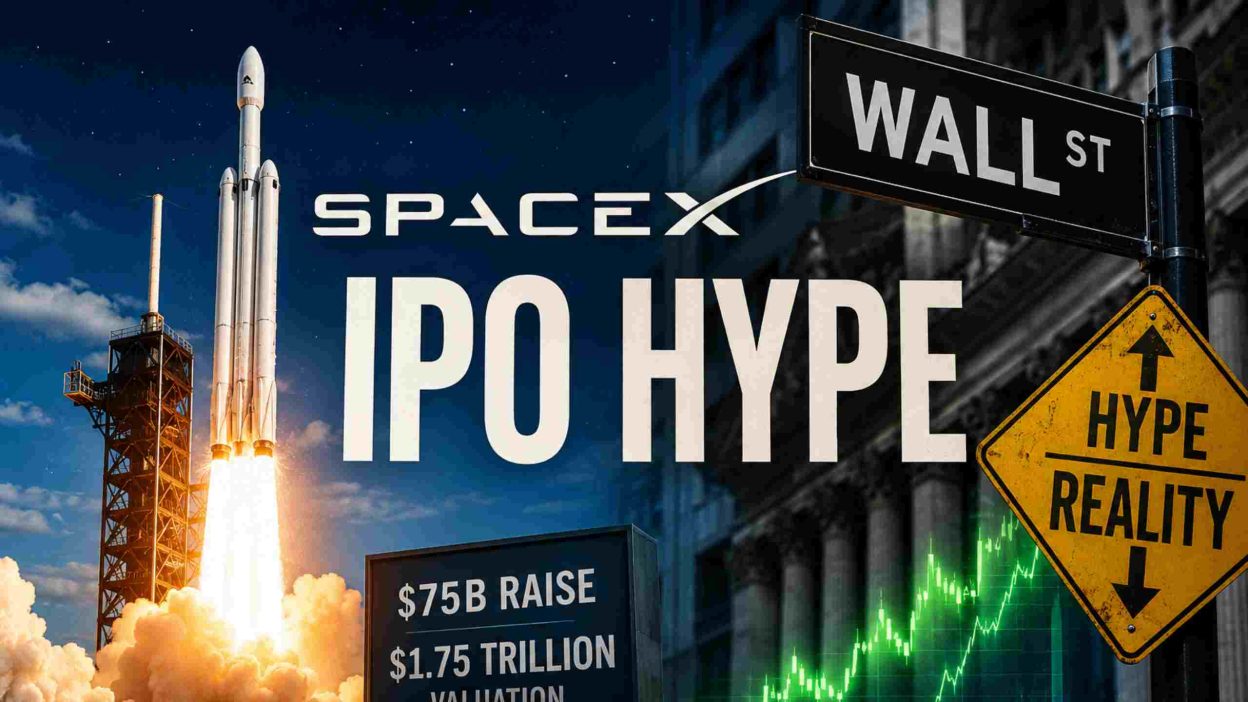
SpaceX is preparing for what could become the largest initial public offering (IPO) in history. With a targeted valuation approaching $1.75 trillion and plans to raise around $75 billion, the company is attracting enormous interest from investors, analysts, and the broader financial community. However, despite the excitement surrounding Elon Musk’s space and technology empire, Wall Street is asking a critical question: can SpaceX’s future growth justify such an enormous valuation?
The debate highlights one of the oldest tests in investing: whether expectations for future growth have become disconnected from present-day financial realities.
A Company Built on Ambition and Innovation
Over the past two decades, SpaceX has transformed the aerospace industry. From reusable rockets and commercial satellite launches to its rapidly growing Starlink internet network, the company has repeatedly achieved milestones that many experts once considered impossible. Today, SpaceX operates across multiple high-growth sectors including space transportation, satellite communications, artificial intelligence infrastructure, and advanced computing.
This unique combination of businesses has fueled investor optimism and helped position SpaceX as one of the most valuable private companies in the world.
The Numbers Behind the Valuation
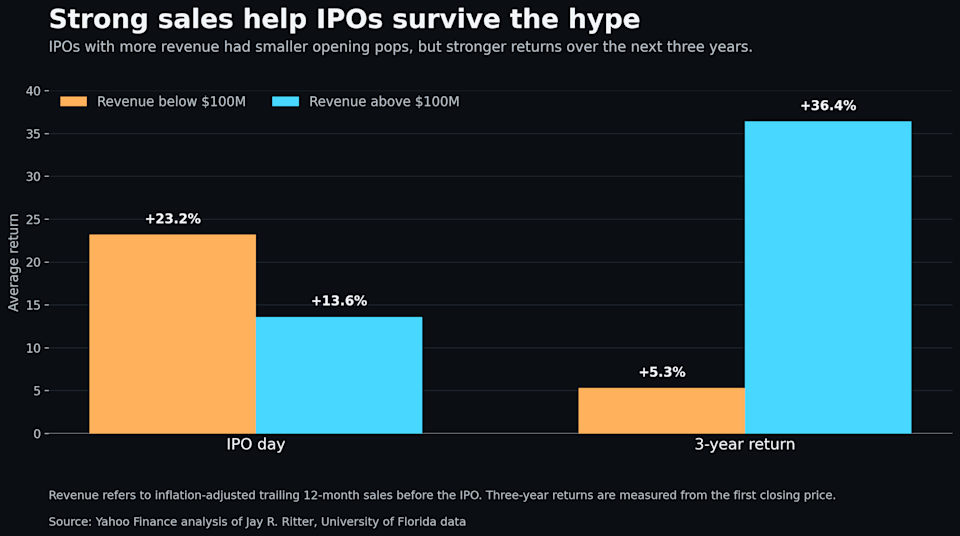
While the company’s technological achievements are undeniable, financial metrics tell a more complex story.
According to its IPO filings and investor presentations, SpaceX generated nearly $19 billion in revenue during 2025. However, the company also reported a net loss of approximately $4.9 billion during the same period. Revenue growth remains strong, but profitability remains a challenge as the company continues investing heavily in future projects.
For many investors, the central question is whether future revenue growth can eventually support a valuation measured in trillions rather than billions.
Wall Street’s Oldest Test: Valuation vs. Reality
Every major market cycle has produced companies with extraordinary growth stories. Investors often pay premium prices for businesses they believe will dominate the future. However, history shows that even exceptional companies can struggle when expectations become too aggressive.
Analysts examining SpaceX’s IPO point out that the company is being valued based largely on what it might become rather than what it currently earns. To justify the proposed valuation, SpaceX would need to achieve unprecedented growth across multiple business segments, including satellite internet services, AI computing infrastructure, and emerging space technologies.
This is where skepticism enters the conversation.
The Trillion-Dollar Opportunity Argument
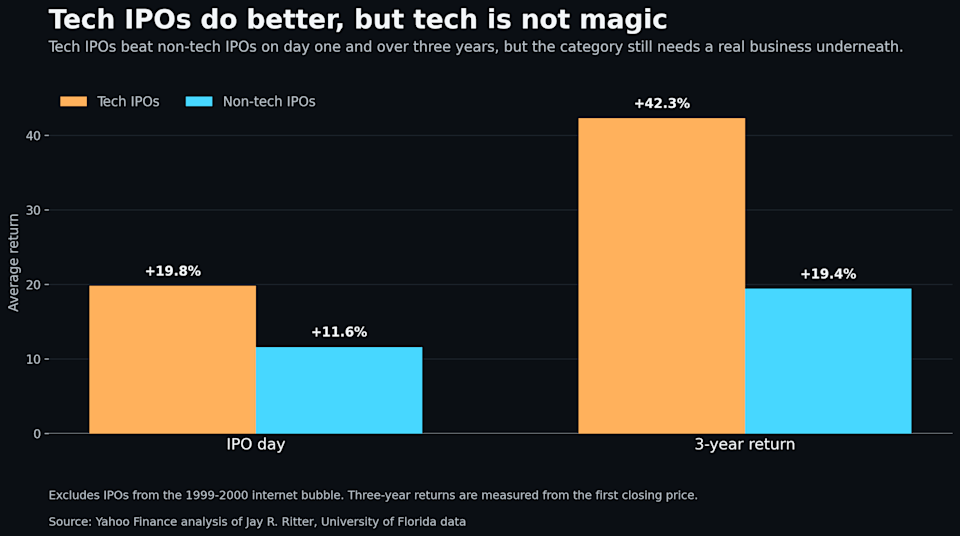
Supporters of the valuation argue that SpaceX is not simply a rocket company. They see it as a platform business capable of addressing enormous global markets.
Investment banks and company projections suggest future opportunities in satellite connectivity, artificial intelligence computing, orbital data centers, and advanced space infrastructure. Some forecasts estimate hundreds of billions of dollars in annual revenue within the next decade, driven largely by AI-related services and Starlink expansion.
Recent reports have also highlighted potential partnerships and contracts tied to AI computing capacity, reinforcing the company’s vision of becoming a major technology infrastructure provider rather than solely an aerospace company. This puts Elon Musk on track to become the world’s first trillionaire.
Why Some Analysts Remain Cautious
Not everyone is convinced.
Several analysts have questioned whether the company’s projected total addressable market is realistic. Critics argue that many of the revenue opportunities being used to justify the valuation involve technologies and business models that are still years away from proven commercial success.
In particular, concepts such as large-scale orbital data centers and trillion-dollar AI infrastructure businesses remain largely theoretical. While they may eventually become viable, investors face significant uncertainty regarding timelines, profitability, and execution risks.
This uncertainty explains why some market observers believe SpaceX’s valuation assumptions are extremely optimistic.
IPO History Offers an Important Lesson
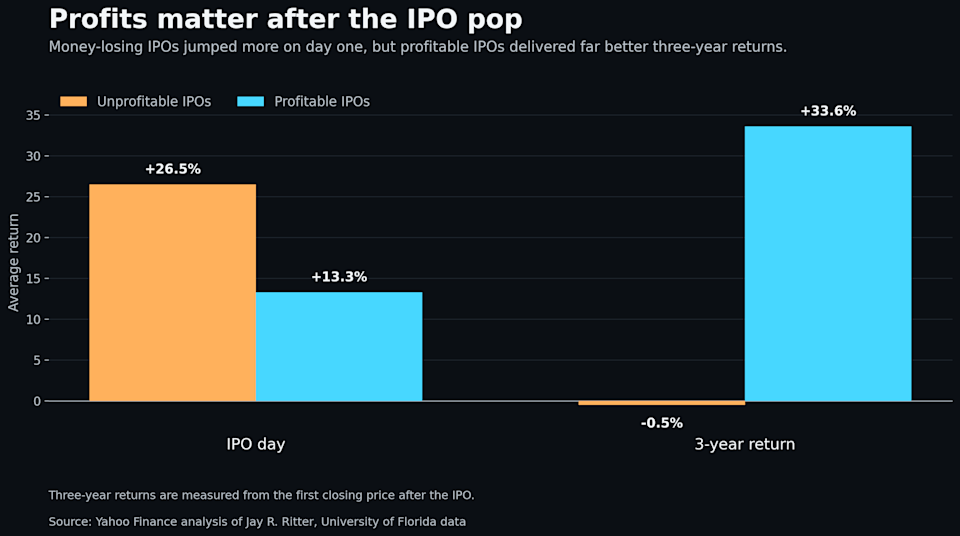
One reason investors are paying close attention to valuation is historical IPO performance.
Many highly anticipated public offerings have delivered disappointing returns shortly after listing, even when the underlying companies eventually became successful businesses. When expectations are set too high, even strong operational performance may fail to satisfy investors.
This does not necessarily mean SpaceX is overvalued. Rather, it highlights the challenge of investing in companies where future success is already heavily reflected in the share price.
What This Means for Investors
For long-term believers in SpaceX’s vision, the IPO represents an opportunity to participate in one of the most ambitious technology companies of the modern era.
For more cautious investors, however, the IPO serves as a reminder that great companies do not automatically make great investments at every price. Valuation, profitability, competition, and execution risk all matter.
The outcome will likely depend on whether SpaceX can successfully transform its ambitious future projections into sustainable revenue and profits over the coming decade.
SpaceX’s upcoming IPO is more than just another stock market event—it represents a test of investor confidence in the future of space technology, artificial intelligence, and large-scale innovation.
The company has already changed multiple industries and continues to pursue bold goals that few competitors can match. Yet Wall Street’s oldest challenge remains unchanged: separating visionary potential from financial reality.
As the IPO approaches, investors will need to decide whether SpaceX’s trillion-dollar dreams are achievable milestones or expectations that have simply reached escape velocity before the business itself.