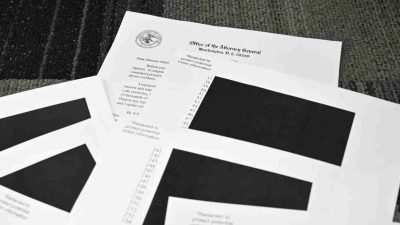

A Congressional hearing over the release of Jeffrey Epstein documents became tense as lawmakers clashed with Justice Department officials about transparency and redactions.
The exchange highlights ongoing public concern about how millions of pages tied to Epstein’s case are being handled and what information the public should see.
What Sparked the Heated Hearing
The House Judiciary Committee held a hearing to review how the Department of Justice released documents connected to Jeffrey Epstein.
The files were made public under a federal transparency law that required the Justice Department to disclose large volumes of investigative material.
Lawmakers questioned how certain names and details were redacted and whether the process was consistent and fair.
Why Is This Happening Now
Congress previously passed legislation requiring the Justice Department to release documents related to Epstein’s criminal activities.
According to public reporting, more than 3.5 million pages have been made available under that mandate. The volume of documents and the sensitivity of the content have raised concerns about how redactions are handled.
Officials have stated the redactions are meant to protect victims and individuals not charged with crimes.
What Lawmakers Are Questioning
During the hearing, some members of Congress pressed officials about whether the Justice Department had been fully transparent.
Questions focused on:
The criteria used for redactions
Whether names were removed consistently
How survivor protections were maintained
How Congress was given access to unredacted records
Justice Department representatives defended the process, stating it followed legal requirements and privacy protections.
No new criminal findings were announced during the hearing.
Why It Matters to Americans
The Epstein case continues to draw attention because it involved powerful individuals and serious criminal conduct.
Public trust in institutions often depends on transparency. Lawmakers from both parties have said they want clarity about how the documents are handled.
At the same time, survivor advocates emphasize the importance of protecting victims from further harm.
Balancing openness with privacy remains central to the debate.
What We Know From Public Records
| Key Point | Verified Information |
|---|---|
| Documents released | More than 3.5 million pages under federal transparency law |
| Purpose of redactions | Protect victims and individuals not charged |
| Nature of hearing | Oversight of DOJ document handling |
| New criminal charges announced | None during the hearing |
Appearing in released documents does not automatically imply wrongdoing.
Current Status
The Justice Department maintains that it complied with federal law in releasing the files.
Lawmakers continue to review the material and may hold additional hearings if concerns remain.
At this time, no official findings of misconduct related to the release process have been confirmed.
Practical Takeaways
The hearing focused on transparency, not new criminal accusations.
Redactions are intended to protect victims and privacy rights.
Congressional oversight of federal agencies is ongoing.
Public debate around the Epstein case remains active.
Bottom Line
The heated hearing reflects how sensitive and politically charged the Epstein files remain. Lawmakers are pushing for greater clarity, while officials say they followed the law. As document reviews continue, the central issue remains the same: how to balance transparency with protection for survivors and private individuals.
Read more: Lawmakers questioned how the Epstein files were redacted before release.
Frequently Asked Questions
Q1: Did the hearing reveal new crimes?
No. The hearing focused on document handling and transparency.
Q2: Why were names redacted?
Officials say redactions were made to protect victims and individuals not charged with crimes.
Q3: How many documents were released?
Public reporting states more than 3.5 million pages were released under federal law.
Q4: Does appearing in the files mean someone committed wrongdoing?
No. Being named in documents does not automatically imply criminal activity.
Q5: Will there be more hearings?
Lawmakers may continue oversight, but no official schedule has been confirmed.
A Congressional hearing over the release of Epstein files became tense as lawmakers questioned Justice Department transparency. Officials defended the redaction process, saying it followed federal law and protected victims. No new criminal findings were announced.